Historic Villas
Oslo, Norway
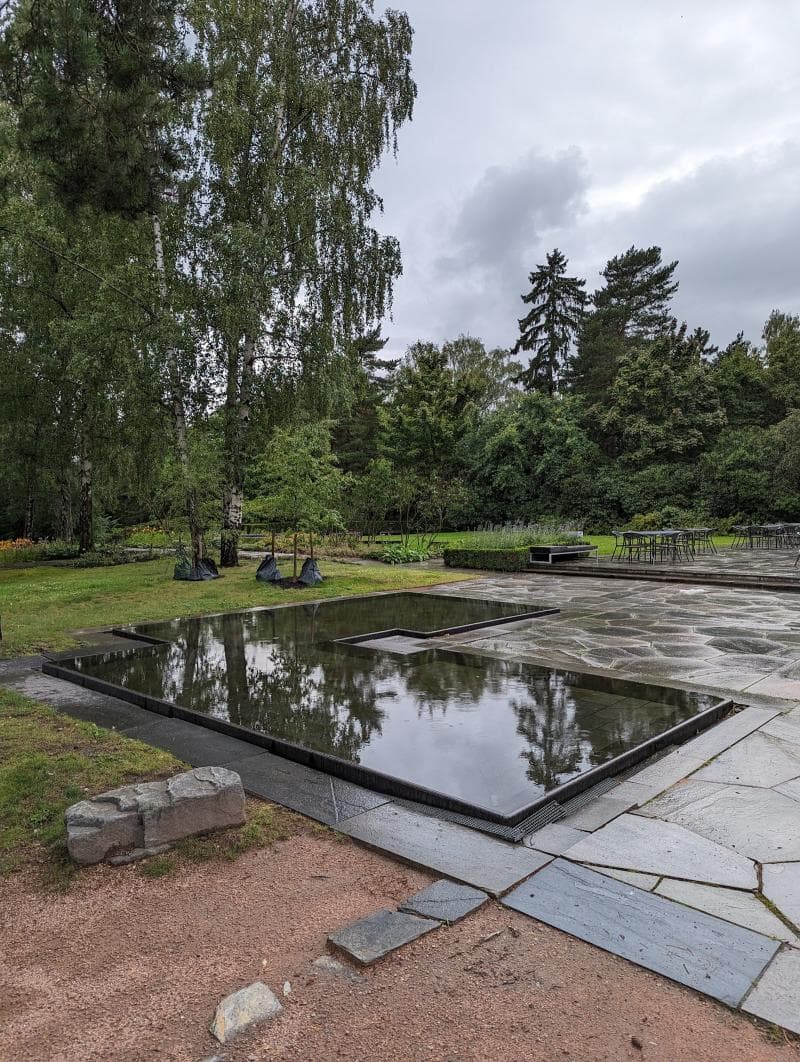
Discover the historic villas of Bygdøy Peninsula in Oslo, Norway. Explore royal estates, Neo-Gothic palaces, and significant historical residences.
Overview
Nestled on the western side of Oslo, Norway, the Bygdøy Peninsula is renowned not only for its world-class museums but also for its collection of historic villas and grand estates. This picturesque green oasis, just a short journey from the city center, offers a unique glimpse into Norway's royal heritage and the lives of its affluent citizens through the centuries. The 'Historic Villas' of Bygdøy are not a single, designated attraction, but rather a descriptive term encompassing several significant properties, each with its own compelling story, contributing to the peninsula's upscale and culturally rich atmosphere.
History & Cultural Background
Bygdøy's history as a prominent residential area dates back to the 18th and 19th centuries, when wealthy families from Christiania (as Oslo was then known) began acquiring country houses on the peninsula. By the 19th century, it had become a favored retreat for the capital's elite, transforming into an exclusive enclave inhabited by the wealthy and their staff. However, Bygdøy's royal connections stretch even further back. The peninsula was originally an island, belonging to a Cistercian monastery before being acquired by King Haakon V in the late 13th century as a gift for Queen Euphemia. It later became a royal hunting ground and farm, eventually housing the Bygdøy Royal Estate, which has been in royal use almost continuously since 1305. This deep historical roots laid the foundation for the peninsula's unique blend of cultural institutions and stately private residences.
What Makes It Special
What truly sets Bygdøy's historic villas apart is their individual stories and architectural significance. Among them, three stand out prominently: the Bygdøy Royal Estate, Oscarshall Palace, and Villa Grande. The Bygdøy Royal Estate (Bygdøy Kongsgård) serves as the official summer residence for the King of Norway, with its main house dating back to 1733. Its long history as a royal property makes it a living testament to Norway's monarchy. Oscarshall Palace, built between 1847 and 1852, is a stunning example of Neo-Gothic architecture commissioned by King Oscar I and Queen Joséphine. Intended as a summer pleasure palace and a showcase for Norwegian art and craftsmanship, it stands as a significant national Romantic monument. Then there is Villa Grande, a grand mansion whose construction began in 1917. It carries a complex and poignant history, having served as the residence of Vidkun Quisling, the leader of the Norwegian Nazi party during WWII, who renamed it 'Gimlé'. Today, with a powerful reversal of its past, it houses the Norwegian Center for Studies of the Holocaust and Religious Minorities (HL-senteret), confronting Norway's darkest chapters head-on.
Stories, Fun Facts & Local Details
- Royal Summer Retreats: The Bygdøy Royal Estate has been a cherished summer retreat for Norwegian monarchs for centuries. King Haakon VII and Queen Maud, and later King Olav V, regularly spent their summers here. Today, King Harald V and Queen Sonja continue this tradition, using it as their summer residence, maintaining a connection to a long royal past.
- Oscarshall's Artistic Legacy: King Oscar I and Queen Joséphine were deeply involved in the design of Oscarshall, aiming to promote Norwegian art and craftsmanship. Its interiors were wholly decorated by Norwegian artists of the mid-19th century, making it a unique monument to the era's artistic talent.
- Villa Grande's Transformation: The story of Villa Grande is one of profound transformation. From being a symbol of collaboration during the war to becoming a center for education and remembrance of the Holocaust, its journey reflects Norway's dedication to learning from its past.
- Exclusive Enclave: Bygdøy remains one of Norway's most fashionable and expensive residential areas, a testament to its enduring appeal and serene beauty. Many of the large villas are hidden behind hedges, offering privacy to their residents.
Visitor Perspective
While many historic villas on Bygdøy are private residences, the peninsula still offers ample opportunity for visitors to appreciate their grandeur and historical context. Oscarshall Palace is open to the public during the summer months, allowing visitors to explore its Neo-Gothic architecture, art, and romantic park. The Bygdøy Royal Estate's grounds are also open to visitors at designated times, and the manor itself can be visited for guided tours. Villa Grande, as the home of the Holocaust Center, welcomes visitors to its exhibitions, offering a powerful educational experience within a historically charged setting. Walking or cycling along Bygdøy's tree-lined lanes provides glimpses of numerous other stately homes, allowing a sense of the peninsula's exclusive residential character. The combination of royal history, architectural beauty, and poignant narratives makes exploring Bygdøy's historic villas a truly enriching experience for any curious traveler.
Coordinates: 10.6748, 59.9042
View on Google Maps💬 How Travelers Describe This Place
Based on community votes
Beautiful
996Interesting
673Must See
585Unique
143Photogenic
80
Traveler Stories
Discover memorable experiences shared by travelers who have visited this place.
No traveler stories yet.
Be the first traveler to share what made this place memorable.

Tour
By
Spot
Discover amazing places around the world. Your journey starts here.
Explore
© 2026 TourBySpot. All rights reserved.