Alfama District
Lisbon, Portugal
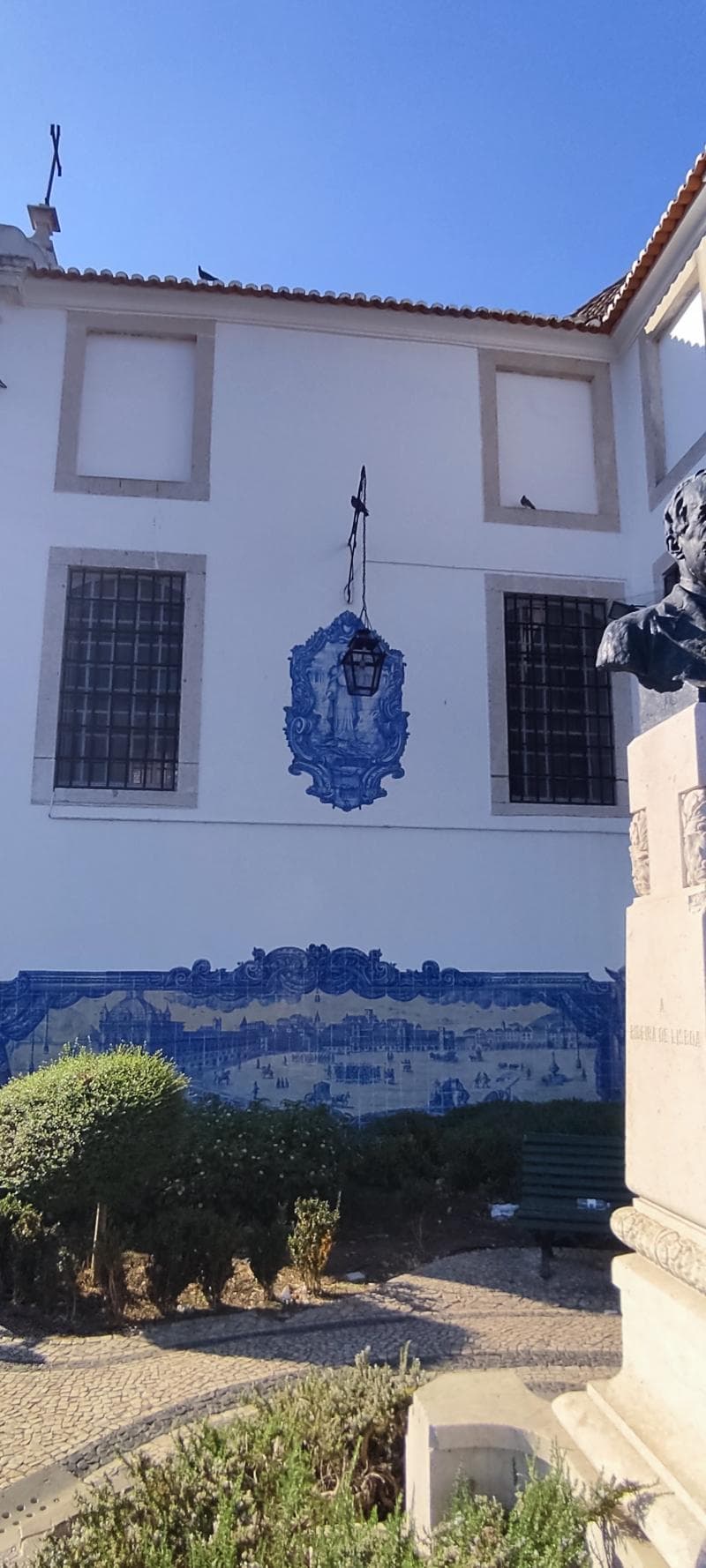
Explore Alfama District, Lisbon's oldest neighborhood. Discover its rich history, Fado music, medieval streets, and stunning viewpoints in Portugal.
Overview
Nestled between the majestic São Jorge Castle and the Tagus River, Alfama is Lisbon's oldest and most captivating district. Its name, derived from the Arabic word 'Al-hamma' meaning 'hot fountains' or 'baths,' hints at its ancient origins. This enchanting neighborhood is a living time capsule, where narrow, winding, cobbled streets meander up steep hillsides, revealing a charming, village-like atmosphere that feels distinctly separate from the rest of the bustling city.
Alfama’s unique character is largely due to its remarkable survival of the devastating 1755 earthquake that flattened much of Lisbon. Its location on a solid rock hill and its elevation protected it from both the shockwaves and the subsequent tsunami, preserving its original medieval layout and many of its historic structures. Today, exploring Alfama means stepping back in time, discovering layers of history around every corner.
History & Cultural Background
The history of Alfama stretches back over a millennium, with its foundations laid during the Moorish occupation of Lisbon in the 8th century. The district's labyrinthine street plan, characterized by its twists and turns, is a direct legacy of Moorish urban design, intended to provide natural shade and ventilation during hot summers. Before the Moors, the area also saw Roman and Visigothic influences, with remnants of ancient infrastructure still visible today.
Following the Christian reconquest of Lisbon in the 12th century, Alfama evolved into a vibrant melting pot of cultures, home to Christians, Jews, and Muslims. Initially, the district housed Lisbon's elite, but after the 1755 earthquake, when many nobility moved to newly rebuilt areas, Alfama became predominantly a working-class neighborhood, inhabited by fishermen, sailors, and laborers. This shift solidified its authentic, down-to-earth character, which it largely retains to this day.
What Makes It Special
Alfama's enduring appeal lies in its unparalleled authenticity and its ability to transport visitors to another era. Unlike the gridded streets of the Baixa district, rebuilt after the earthquake, Alfama's organic, medieval layout remained intact, making it truly unique. It is widely recognized as the birthplace of Fado, Portugal's soulful and melancholic musical genre, which UNESCO has recognized as part of the World Intangible Cultural Heritage. The haunting melodies of Fado still echo from many of its traditional taverns and Fado houses.
The district is also famed for its numerous 'miradouros', or panoramic viewpoints, which offer breathtaking vistas of terracotta rooftops, the city, and the Tagus River. Notable examples include Miradouro de Santa Luzia and Miradouro das Portas do Sol, where stunning scenes unfold before your eyes. Alfama's visual charm is further enhanced by its vibrant, colorful buildings, often adorned with traditional Portuguese 'azulejos' (hand-painted tiles), and the sight of laundry fluttering from wrought-iron balconies across narrow alleyways, adding to its picturesque quality.
Key historical landmarks like the ancient Castelo de São Jorge, the venerable Lisbon Cathedral (Sé), and the impressive National Pantheon stand as testaments to Alfama's rich past, each offering a glimpse into different chapters of Portuguese history.
Stories, Fun Facts & Local Details
The spirit of Alfama is deeply embedded in its people and their traditions. Residents are known for their strong community bonds, often described as being united like a large family, singing and chatting loudly across balconies. This vibrant local life, with children playing soccer in tiny squares and the pervasive scent of grilled sardines filling the air, creates an immersive cultural experience.
A delightful tradition found here is the occasional sight of elderly women selling shots of 'ginjinha', a traditional Portuguese cherry liqueur, directly from their windows. Another iconic symbol of Alfama is Tram 28, a classic yellow tram that rattles and twists its way through the district's incredibly narrow streets, providing a unique and charming mode of transport and a popular sight for visitors. The Feira da Ladra, Lisbon's oldest flea market, has been trading in the vicinity since the 13th century, offering a treasure trove of unique finds every Tuesday and Saturday.
Alfama is also the birthplace of Amália Rodrigues, the legendary 'Queen of Fado', whose powerful voice introduced Fado to the world. Her legacy continues to inspire the many Fado singers who perform in the district's intimate venues.
Visitor Perspective
To truly experience Alfama, it is highly recommended to explore it on foot. The district's steep hills and uneven cobbled streets necessitate comfortable walking shoes, but every climb is rewarded with stunning views or hidden gems. Many suggest wandering without a map, allowing yourself to get wonderfully lost amidst its alleys to discover its true charm.
While popular spots can become crowded, especially when cruise ships are in port, it is easy to step off the main routes and find quieter corners where local life unfolds authentically. Enjoying a traditional Fado performance in a local house is a quintessential Alfama experience, offering a deep dive into Portuguese culture. The numerous miradouros provide perfect spots for reflection and photography, allowing visitors to soak in the panoramic beauty of Lisbon.
Coordinates: -9.1247, 38.7073
View on Google Maps💬 How Travelers Describe This Place
Based on community votes
Beautiful
965Photogenic
743Unique
629Must See
184Interesting
176
Traveler Stories
Discover memorable experiences shared by travelers who have visited this place.
No traveler stories yet.
Be the first traveler to share what made this place memorable.
Things to see at Alfama District



Tour
By
Spot
Discover amazing places around the world. Your journey starts here.
Explore
© 2026 TourBySpot. All rights reserved.