Fado Houses
Lisbon, Portugal
Discover Fado Houses in Lisbon's historic Alfama District. Immerse yourself in authentic Fado music, culture, and soulful 'saudade' in Portugal.
Overview
Stepping into the Alfama District in Lisbon, Portugal, is like turning back the pages of time. Amidst its labyrinthine alleys and ancient staircases, one discovers the soul-stirstirring world of Fado Houses. These intimate venues are not merely restaurants or bars; they are the living heart of Fado, Portugal's quintessential musical expression. In Alfama, the birthplace of this profound art form, Fado Houses offer a unique window into the city's rich history and emotional landscape, blending culinary traditions with captivating vocal performances and the melancholic strumming of the Portuguese guitar.
Fado, meaning 'fate' or 'destiny', is a genre recognized by UNESCO as Intangible Cultural Heritage of Humanity, embodying the spirit of 'saudade' – a deep, untranslatable feeling of longing and nostalgia. Within Alfama's preserved ancient streets, these houses provide an authentic setting to experience Fado, where the music resonates with tales of everyday life, love, loss, and the sea. Here, the raw emotion of the 'fadista' (Fado singer) and the accompanying musicians create an unforgettable cultural immersion for curious travelers.
History & Cultural Background
Fado's origins trace back to the early 19th century in the bohemian, working-class neighborhoods of Lisbon, with Alfama and Mouraria often cited as its cradles. It emerged from a melting pot of influences, including the experiences of sailors, dockworkers, and migrants, blending local traditions with musical elements potentially brought from former Portuguese colonies. Initially, Fado wasn't performed in grand theaters but in taverns, courtyards, and small gatherings, reflecting the daily lives and struggles of its people.
The music became a voice for the marginalized, expressing themes that resonated with the Portuguese urban and maritime proletariat. The devastating Lisbon earthquake of 1755 spared Alfama, leaving its intricate street plan and architectural character largely intact, thus preserving the very environment where Fado took root and flourished. Over time, Fado evolved, gaining prominence and eventually being championed by iconic figures such as Maria Severa Onofriana, considered the first Fado singer, and later by the legendary Amália Rodrigues, who elevated Fado to international renown.
What Makes It Special
What sets Fado Houses in Alfama apart is their unwavering commitment to tradition and the intensely personal nature of the performance. Unlike large concert halls, these venues are typically intimate, allowing for a profound connection between the performers and the audience. The music relies on the 'fadista's' powerful vocals, often accompanied only by a classical guitar and the distinctive 'guitarra Portuguesa', a pear-shaped, 12-string instrument.
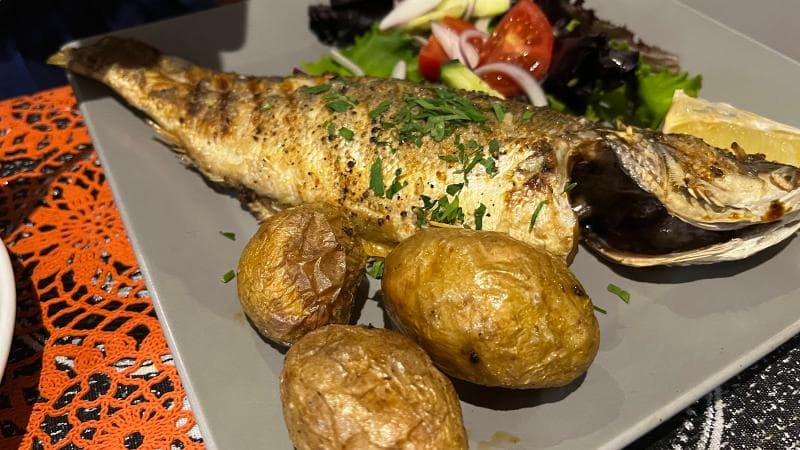
During a Fado performance, a respectful silence falls over the room, as guests are encouraged to absorb every nuance of the emotional narrative being sung. This etiquette underscores the reverence for the art form, transforming a meal or a drink into a deeply moving cultural experience. Many Fado Houses in Alfama are family-run, carrying on generations of musical heritage and culinary customs, offering traditional Portuguese dishes alongside the music.
Stories, Fun Facts & Local Details
The Fado Houses of Alfama are steeped in stories. Legend has it that the first great Fado singer, Maria Severa Onofriana (1820-1846), captivated audiences in the taverns of Mouraria, inspiring a romanticized image of Fado linked to bohemian life and tales of love and misfortune. Amália Rodrigues, the 'Queen of Fado', not only modernized the genre but also navigated its complexities during the Salazar dictatorship, when Fado lyrics were subject to censorship. Her ability to express the nation's sentiments, even under strict scrutiny, solidified her status as a cultural icon.
A visit to the Museu do Fado in Alfama provides further insights into these narratives, showcasing rare recordings, instruments, and personal effects of Fado legends. It's a place where you can trace Fado's journey from its humble beginnings to its recognition as a global heritage. The very architecture of Alfama, with its winding, narrow streets, was not planned but grew organically, a unique characteristic that allows the Fado's mournful melodies to carry naturally through the neighborhood, creating an immersive acoustic experience.
Visitor Perspective
For visitors, experiencing Fado in Alfama is often a highlight of their trip to Lisbon. Many Fado Houses offer a 'dinner and show' experience, presenting an opportunity to savor traditional Portuguese cuisine while being immersed in the music. Reservations are highly recommended, especially for the more popular or intimate venues, as seating can be limited. While some establishments cater largely to tourists, many retain an authentic, local feel, particularly those off the main thoroughfares or during 'fado vadio' sessions where amateur singers might spontaneously perform.
It's important to approach a Fado performance with an open heart and a willingness to be moved by the raw emotion conveyed. The quiet reverence during the singing is part of the tradition and enhances the overall experience. Whether in a polished 'casa de fado' or a more rustic 'tasca', the Fado Houses of Alfama offer more than just entertainment; they provide a profound connection to the Portuguese soul, etched into the cobblestones and echoing in the haunting melodies of this timeless art form.
Coordinates: -9.1247, 38.7073
View on Google Maps💬 How Travelers Describe This Place
Based on community votes
Unique
965Interesting
629Must See
443Beautiful
184Photogenic
176
Traveler Stories
Discover memorable experiences shared by travelers who have visited this place.
No traveler stories yet.
Be the first traveler to share what made this place memorable.

Tour
By
Spot
Discover amazing places around the world. Your journey starts here.
Explore
© 2026 TourBySpot. All rights reserved.