Narrow Alleys
Lisbon, Portugal
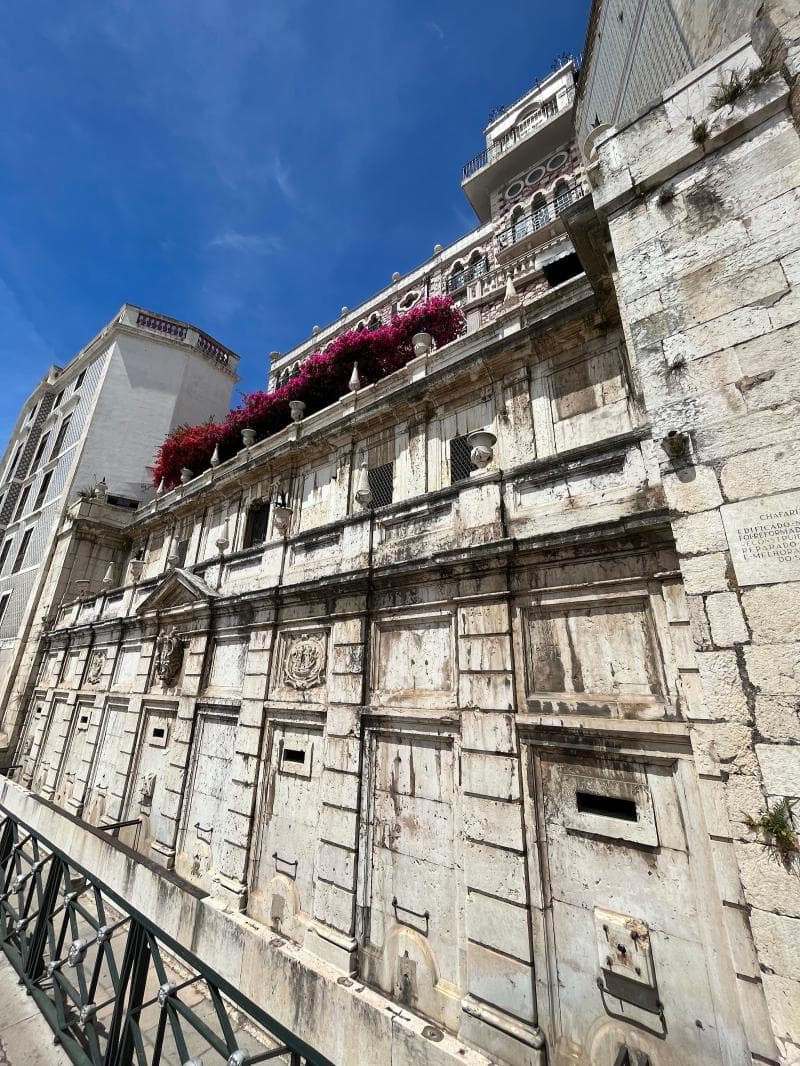
Explore the narrow alleys of Alfama District, Lisbon, Portugal. Discover its Moorish history, Fado music, and authentic charm.
Overview
The Narrow Alleys of Lisbon's Alfama District offer a captivating journey into the city's ancient soul. As the oldest neighborhood in Lisbon, Alfama has preserved its distinct character, a labyrinthine charm that invites exploration rather than rigid navigation. This historic quarter, nestled between the São Jorge Castle and the Tagus River, is a tapestry of winding, cobblestone streets, hidden courtyards, and steep staircases, where every turn reveals a new facet of Portuguese life and history.
Unlike much of Lisbon, Alfama's medieval layout remarkably survived the devastating 1755 earthquake, allowing its unique architectural and urban fabric to remain largely intact. It's a place where time seems to slow down, and the echoes of centuries past resonate through its venerable passages, offering an authentic glimpse into traditional Lisbon.
History & Cultural Background
The origins of Alfama's narrow alleys trace back to the Moorish occupation of Lisbon, which began in the 8th century. The name 'Alfama' itself is derived from the Arabic word 'Al-hama' or 'al-hammad,' meaning 'hot springs' or 'good water,' referencing the thermal springs once found in the area. The district's distinctive winding alleyways and hidden courtyards were intelligently designed by the Moors to provide shade and naturally cool the air during Lisbon's hot summers, an urban design still functional today.
Before the Moors, the area also saw Roman and Visigothic influences, with infrastructure and elements from these civilizations still discernible. For centuries, Alfama was home to fishermen, sailors, and dockworkers, a working-class neighborhood that fostered a strong sense of community. It was in these very streets and taverns that Fado, the melancholic and soulful Portuguese musical genre, was born, echoing the longings and stories of its residents. Alfama's solid rock foundation played a crucial role in its survival during the 1755 earthquake, leaving it as one of the few areas in Lisbon to retain its pre-earthquake character.
What Makes It Special
The narrow alleys of Alfama possess an undeniable magic that sets them apart. They offer a living museum of Lisbon's past, where the medieval street plan is not just preserved but actively lived in. The visual tapestry is rich: colorful houses adorned with traditional 'azulejos' (decorative tiles), laundry fluttering from wrought-iron balconies, and vibrant flower pots adding splashes of color to ancient walls. This picturesque setting creates countless romantic scenes and breathtaking views of the city and the Tagus River, particularly from its numerous 'miradouros' or viewpoints like Miradouro de Santa Luzia and Miradouro das Portas do Sol.
Beyond the visual appeal, Alfama resonates with the soulful strains of Fado music that often drift from its small taverns and restaurants, creating an immersive cultural experience. The district's authenticity is palpable; it maintains a village-like atmosphere where neighbors converse across alleys, and local traditions blend seamlessly with daily life. It is this blend of history, architecture, sound, and community that makes Alfama's narrow alleys a truly special and unforgettable destination.
Stories, Fun Facts & Local Details
Exploring Alfama's narrow alleys often uncovers delightful surprises. Street art is a prominent feature, with pieces ranging from small, quirky works to larger murals, sometimes found in unexpected tunnels or on building walls. Notable examples include Nuno Saraiva's mural depicting the history of Portugal and Camilla Watson's photo murals featuring local residents, adding a personal touch to the neighborhood's narrative. Specific alleys like 'Beco do Carneiro' offer quiet charm with whitewashed buildings and pastel tiles, while 'Travessa do Fala-Só' ('Speak-Only Alley') hints at past conversations echoing between neighbors.
The iconic yellow Tram 28 famously navigates some of these impossibly narrow streets, providing both a practical means of transport and a unique sightseeing experience. Another local highlight is the Feira da Ladra, Lisbon's oldest flea market, which has been trading since the 13th century and offers a chance to discover antiques and handicrafts. The alleys also host traditional 'tascas' (small restaurants) where authentic Fado performances can be experienced, often without the need for large neon signs.
Visitor Perspective
To truly experience the narrow alleys of Alfama, an unplanned wander is highly recommended. Many suggest getting 'lost' as the best way to discover its hidden gems and feel the true spirit of the district. However, be prepared for a physical challenge; Alfama is built on steep hills with countless staircases and cobblestone paths, making comfortable footwear essential. For those with limited mobility, a tuk-tuk ride offers an alternative to explore its upper and lower parts.
The best times to visit are early morning or late afternoon to avoid crowds and experience a quieter, more atmospheric Alfama, ideal for photography and soaking in the ambiance. While there are famous sights like the Sé Cathedral and São Jorge Castle, the real charm lies in stumbling upon a tiny bar where Fado is sung or finding an unadvertised viewpoint. Engaging with the local life, from seeing laundry drying in the breeze to overhearing neighborly chats, enriches the visitor's understanding of this living, breathing historic quarter.
Coordinates: -9.1247, 38.7073
View on Google Maps💬 How Travelers Describe This Place
Based on community votes
Photogenic
958Unique
743Interesting
719Must See
629Beautiful
176
Traveler Stories
Discover memorable experiences shared by travelers who have visited this place.
No traveler stories yet.
Be the first traveler to share what made this place memorable.

Tour
By
Spot
Discover amazing places around the world. Your journey starts here.
Explore
© 2026 TourBySpot. All rights reserved.