Miradouro De Santa Luzia
Lisbon, Portugal
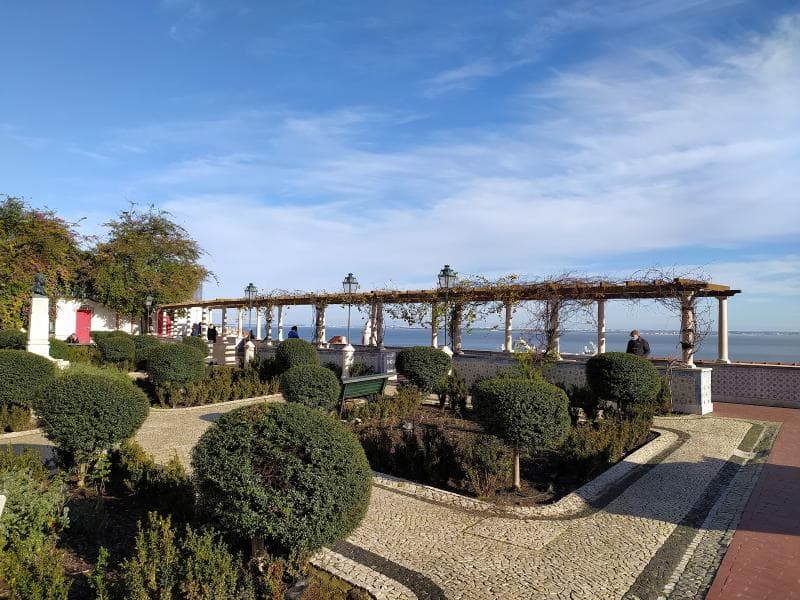
Discover Miradouro de Santa Luzia in Lisbon's Alfama District, a charming viewpoint with stunning Tagus River views, historic azulejos, and lush gardens.
Overview
Nestled within the labyrinthine streets of Lisbon's historic Alfama District, the Miradouro de Santa Luzia stands as a truly enchanting viewpoint, offering a picturesque panorama of the city. This beloved 'miradouro', or lookout point, is a favored spot for both locals and travelers seeking breathtaking vistas of the Tagus River and the charming, red-tiled rooftops of Alfama. Its serene atmosphere, coupled with vibrant bougainvillea, elegant pergolas, and traditional Portuguese azulejo tiles, creates a captivating scene that feels like stepping into a postcard. It's a place where the old-world charm of Lisbon comes alive, inviting visitors to pause and soak in the city's unique beauty.
History & Cultural Background
The Miradouro de Santa Luzia is not merely a scenic spot; it's steeped in Lisbon's rich history, with its origins intertwined with the adjacent Santa Luzia Church. This church, also known as São Brás, stands on the remains of an even older religious building, dating back to Portugal's early years. It notably serves as the headquarters for the Order of Malta in Portugal. The true historical narrative of the viewpoint unfolds through its magnificent azulejo panels, which are a hallmark of Portuguese art and culture. These decorative ceramic tiles, with their roots tracing back to Moorish influences in the 13th century, adorn the east wall of the church facing the terrace. One panel vividly depicts Lisbon's Terreiro do Paço, or Palace Square, as it appeared before the devastating earthquake of 1755, offering a poignant glimpse into the city's past. Another panel commemorates a pivotal moment in Portuguese history: the Christian reconquest of Lisbon in 1147, showing crusaders besieging St. George's Castle.
What Makes It Special
Beyond its unparalleled views, the Miradouro de Santa Luzia offers a unique blend of visual and historical artistry. The combination of lush, well-tended gardens, often bursting with colorful flowers, and the iconic blue-and-white azulejos, makes this viewpoint truly distinctive. The pergola, frequently draped in vibrant bougainvillea, provides a shaded retreat and frames the views beautifully, creating a romantic setting. The azulejo panels are central to its allure, not just as decoration but as storytellers of Lisbon's resilience and history. From this vantage point, visitors can identify several significant landmarks across the Alfama district and beyond, including the glittering dome of the National Pantheon, the Church of Santo Estêvão, and the onion-shaped spires of São Miguel Church, all set against the expansive Tagus River. The presence of a bust of the Lisbon historian Júlio de Castilho further roots the viewpoint in the city's intellectual and cultural landscape.
Stories, Fun Facts & Local Details
Visiting Miradouro de Santa Luzia often comes with its own soundtrack – the rhythmic 'ding-ding' of Lisbon's famous Tram 28 as it trundles past, adding to the authentic city experience. While the views are spectacular, the viewpoint itself is often considered as beautiful as the panoramas it offers, particularly with its ornate tilework. The azulejos, initially inspired by Moorish mosaics and later influenced by Dutch designs, became a distinctive Portuguese art form. The blue tiles, in particular, gained popularity in the 17th century, partly due to the desire to emulate expensive Chinese porcelain. This viewpoint is a public space, meaning it's always open and free to explore, making it an accessible slice of Lisbon's charm. You might often find local artists selling their works or musicians adding to the ambiance, creating a lively yet peaceful atmosphere. It's also worth noting that the nearby Miradouro das Portas do Sol, another popular viewpoint, is just a two-minute walk away and offers a slightly different, often less obstructed, perspective of Alfama.
Visitor Perspective
For many travelers, the Miradouro de Santa Luzia is considered a must-visit, offering a quintessential Lisbon experience. To truly appreciate its tranquil beauty and capture stunning photographs without the crowds, it's highly recommended to visit early in the morning, especially around sunrise. During the day and at sunset, particularly in high season, it can become quite busy. The viewpoint's multi-level structure, including a lower terrace with a wading pool, provides various spots to sit, relax, and take in the scenery. Spring is an especially beautiful time to visit, as the bougainvillea are in full bloom, adding to the vibrant colors. While the climb up through Alfama's narrow streets can be steep, the reward is well worth the effort, and the famous Tram 28 or 12 offers a convenient and scenic alternative, stopping right by the viewpoint.
Coordinates: -9.1302, 38.7117
View on Google Maps💬 How Travelers Describe This Place
Based on community votes
Interesting
585Beautiful
550Photogenic
546Unique
56Must See
28
Traveler Stories
Discover memorable experiences shared by travelers who have visited this place.
No traveler stories yet.
Be the first traveler to share what made this place memorable.

Tour
By
Spot
Discover amazing places around the world. Your journey starts here.
Explore
© 2026 TourBySpot. All rights reserved.