Ala-Too Square
Bishkek, Kyrgyzstan
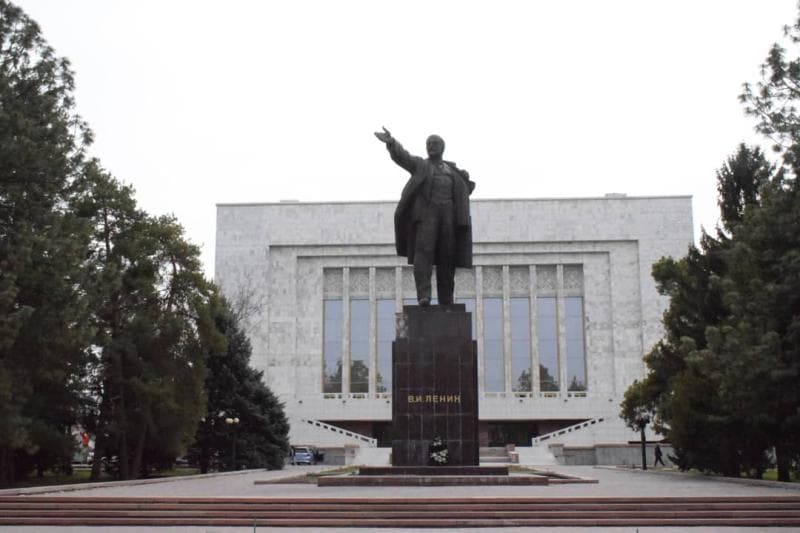
Explore Ala-Too Square in Bishkek, Kyrgyzstan – the vibrant central hub showcasing national pride, historical monuments, and the iconic Manas statue. Discover its rich past and cultural significance.
Overview
Ala-Too Square stands as the vibrant heart of Bishkek, Kyrgyzstan, a testament to the nation's rich history and enduring spirit. Its name, ‘Ala-Too’, beautifully translates to ‘colorful mountains’ or ‘snow-capped mountains’ in Kyrgyz, a nod to the majestic peaks of the Tian Shan range that frame the city on clear days. This expansive public space is more than just a geographical center; it is a focal point for national celebrations, significant historical reflections, and daily life in the Kyrgyz capital. It offers a unique blend of Soviet-era architectural grandeur and symbols of independent Kyrgyz identity, making it a compelling destination for any traveler seeking to understand the soul of Bishkek.
As you step onto the square, you are immediately enveloped by its open design, surrounded by key administrative buildings and cultural institutions. The square serves as a canvas where the nation's past and present converge, hosting everything from solemn memorial ceremonies to joyous public festivals.
History & Cultural Background
The history of Ala-Too Square is a fascinating narrative of transformation, mirroring Kyrgyzstan's journey from a Soviet republic to an independent state. Conceived and completed in 1984, the square was originally inaugurated as Lenin Square to commemorate the 60th anniversary of the Kirghiz Soviet Socialist Republic.
A towering statue of Vladimir Lenin stood at its center, facing the Government House, symbolizing Soviet rule. However, with Kyrgyzstan's independence from the USSR in 1991, the square began its metamorphosis. In 2003, the iconic Lenin statue was respectfully relocated to a smaller square behind the State Historical Museum.
In its place, a new monument, ‘Erkindik’ (meaning 'Freedom'), featuring a winged woman holding a tunduk (the crown of a Kyrgyz yurt), was erected, symbolizing the nation's newfound liberty. This statue, in turn, was replaced in 2011 by a grand bronze statue of Manas, the legendary hero of the Kyrgyz epic poem, commemorating the 20th anniversary of independence. This series of changes vividly illustrates the country's evolving national identity and its embrace of its own cultural heritage.
What Makes It Special
Ala-Too Square's distinctiveness lies in its monumental features and the symbolic weight they carry. Dominating the square is the impressive 10-meter bronze equestrian statue of Manas the Magnanimous, depicted on horseback with a sword in hand, embodying the unity and strength of the Kyrgyz people.
Adjacent to Manas stands the national flagpole, originally 45 meters high, which was replaced by a majestic 100-meter flagpole in 2024. This towering flag proudly displays Kyrgyzstan's national emblem, serving as a constant reminder of national pride.
A highlight for many visitors is the ceremonial changing of the guard, performed by soldiers of the Kyrgyz Honor Guard. Their precise, slow-paced marching with distinctive 90-degree steps offers a glimpse into Kyrgyzstan's modern traditions and military discipline.
The square is also flanked by significant structures such as the State Historical Museum, offering deep dives into the country's past, and the golden-domed Supreme Court building. The nearby Oak Park, with its open-air sculpture museum, provides a serene contrast to the square's grandeur.
Stories, Fun Facts & Local Details
Beyond its official monuments, Ala-Too Square holds countless stories. It was the site of the 2005 Tulip Revolution, a major anti-government demonstration where thousands gathered, ultimately leading to political change. This event underscores the square's role as a powerful forum for public expression.
The epic of Manas, central to Kyrgyz cultural heritage, tells of a hero who united the 40 Kyrgyz tribes, a narrative that deeply resonates with the nation's identity and is celebrated through the statue.
A monument to the world-renowned Kyrgyz writer Chingiz Aitmatov can also be found in the square, honoring his profound contributions to literature and his connection to the national consciousness.
During national holidays like Independence Day (August 31st) and New Year's, the square transforms into a festive hub, adorned with lights and hosting various celebrations. It's a place where the community gathers, creating a vibrant atmosphere that reflects the collective spirit of Bishkek.
Visitor Perspective
Ala-Too Square welcomes visitors around the clock, offering free and open access year-round. While daylight hours are ideal for appreciating the monuments and architecture, an evening visit reveals a different charm as buildings and fountains are beautifully illuminated, creating a magical ambiance.
Allow yourself about 30 minutes to an hour to stroll through the square and take in its key sights, though you might easily spend more time if you combine it with a visit to the nearby State Historical Museum or Oak Park.
The changing of the guard ceremony is a memorable experience, typically occurring at regular intervals throughout the day; it's advisable to check the current schedule upon arrival to witness this solemn tradition.
Whether you're observing a quiet morning or participating in a lively evening event, Ala-Too Square offers a profound connection to Kyrgyzstan's past, present, and aspirations, truly making it an essential stop for any traveler in Bishkek. It is a place to feel the pulse of the city and appreciate the layers of history that define this Central Asian capital.
Coordinates: 74.60389, 42.87639
View on Google Maps💬 How Travelers Describe This Place
Based on community votes
Must See
996Unique
673Photogenic
186Beautiful
143Interesting
80
Traveler Stories
Discover memorable experiences shared by travelers who have visited this place.
No traveler stories yet.
Be the first traveler to share what made this place memorable.
Things to see at Ala-Too Square



Tour
By
Spot
Discover amazing places around the world. Your journey starts here.
Explore
© 2026 TourBySpot. All rights reserved.