War Remnants Museum
Ho Chi Minh City, Vietnam
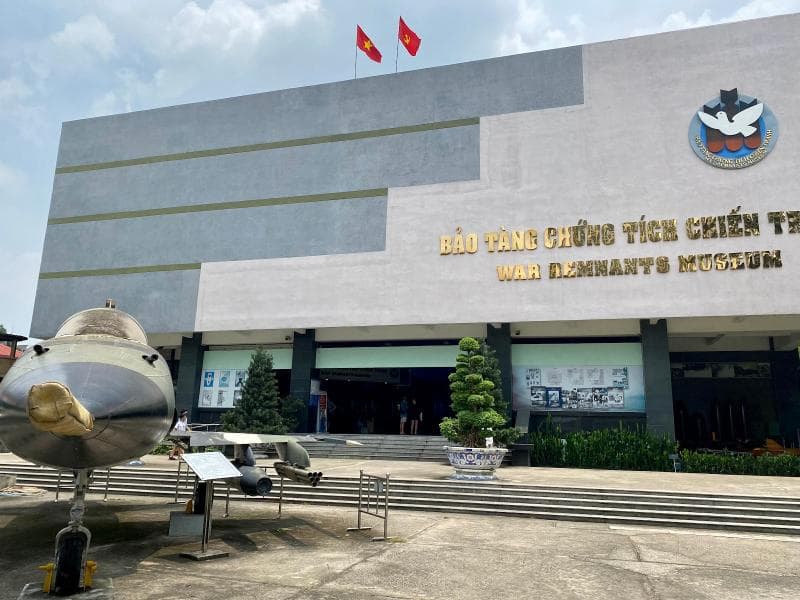
Explore the War Remnants Museum in Ho Chi Minh City, Vietnam, for a powerful journey through the history and devastating impact of the Vietnam War.
Overview
The War Remnants Museum in Ho Chi Minh City, Vietnam, stands as a profoundly moving and educational institution dedicated to portraying the devastating consequences of war. It serves as a stark reminder of the ‘American War’, as it is known in Vietnam, and the broader Indochina conflicts, aiming to advocate for peace and solidarity among nations. Welcoming over one million visitors annually, it is one of the most visited museums in Ho Chi Minh City, drawing both domestic and international audiences seeking a deeper understanding of Vietnam's past. The museum collects, preserves, and displays documents, images, and artifacts that vividly recount the war and its long-lasting effects on the country and its people.
History & Cultural Background
Established on September 4, 1975, just five months after the reunification of North and South Vietnam, the museum initially bore the name 'Exhibition House for US and Puppet Crimes.' Its early focus was on documenting the atrocities and consequences of the war from a Vietnamese perspective. Over the years, as diplomatic relations between Vietnam and the United States evolved, the museum's name also changed. In 1990, it became the 'Exhibition House for Crimes of War and Aggression,' and by 1995, it adopted its current, more neutral title, 'War Remnants Museum.' This evolution reflects a broader shift towards historical documentation and peace advocacy, moving beyond initial post-war sentiments. The museum's mission is rooted in preserving the nation's heroic legacy of resistance while educating the public about the importance of opposing unjust wars and protecting peace.
What Makes It Special
What sets the War Remnants Museum apart is its unflinching and direct portrayal of the human cost of conflict, prioritizing emotional impact and personal stories over military glorification. It presents a powerful narrative through a vast collection of over 20,000 artifacts, photographs, documents, and films, many sourced from international journalists and even U.S. archives. The outdoor section features an impressive array of captured American military equipment, including tanks, helicopters, fighter jets, and artillery pieces, offering a tangible sense of the war's scale. Inside, themed exhibitions such as 'Crimes of the War of Aggression' and 'Consequences of Agent Orange' are particularly impactful, detailing the devastating effects of chemical warfare and other atrocities. The museum is an institutional member of the International Council of Museums (ICOM) and the International Network of Museums for Peace (INMP), reinforcing its commitment to global peace.
Stories, Fun Facts & Local Details
The museum is filled with compelling narratives and challenging exhibits that highlight specific aspects of the war. One of the most iconic displays is the photograph 'Napalm Girl,' officially titled 'The Terror of War,' which powerfully illustrates the civilian suffering. Another harrowing exhibit features replicas of the 'Tiger Cages,' the brutal prison cells used to hold political prisoners, offering a stark insight into the harsh realities endured. A French guillotine, used by colonial powers and later by the South Vietnamese until 1960, is also on display, underscoring the long history of conflict. The 'Consequences of Agent Orange' exhibition is particularly poignant, showcasing the horrific long-term health effects, including birth defects and disabilities across generations, caused by the toxic defoliant. These exhibits are designed to be thought-provoking, encouraging visitors to reflect on the devastation of war and the resilience of the Vietnamese people.
Visitor Perspective
The War Remnants Museum is located centrally at 28 Vo Van Tan Street, District 3, Ho Chi Minh City, making it easily accessible from many other city landmarks. It operates daily, typically from 7:30 AM to 5:30 PM or 6:00 PM, with the ticket counter closing earlier. Adult admission is 40,000 VND (approximately $1.60 USD), with discounts for children and students. Visitors are generally advised to allocate 1.5 to 3 hours for a comprehensive visit. For a more reflective experience, visiting early on a weekday is recommended to avoid larger crowds, particularly school groups and tour buses. An audio guide, available in multiple languages, can be rented for an additional fee and is highly recommended for deeper historical context. It is crucial for visitors to prepare themselves emotionally, as many exhibits contain graphic images and disturbing content that can be deeply unsettling but are vital for understanding the true human cost of the war.
Coordinates: 106.692132, 10.779475
View on Google Maps💬 How Travelers Describe This Place
Based on community votes
Beautiful
847Must See
685Unique
513Interesting
482Photogenic
62
Traveler Stories
Discover memorable experiences shared by travelers who have visited this place.
No traveler stories yet.
Be the first traveler to share what made this place memorable.
Things to see at War Remnants Museum



Tour
By
Spot
Discover amazing places around the world. Your journey starts here.
Explore
© 2026 TourBySpot. All rights reserved.