Historical Archive Rooms
Ho Chi Minh City, Vietnam
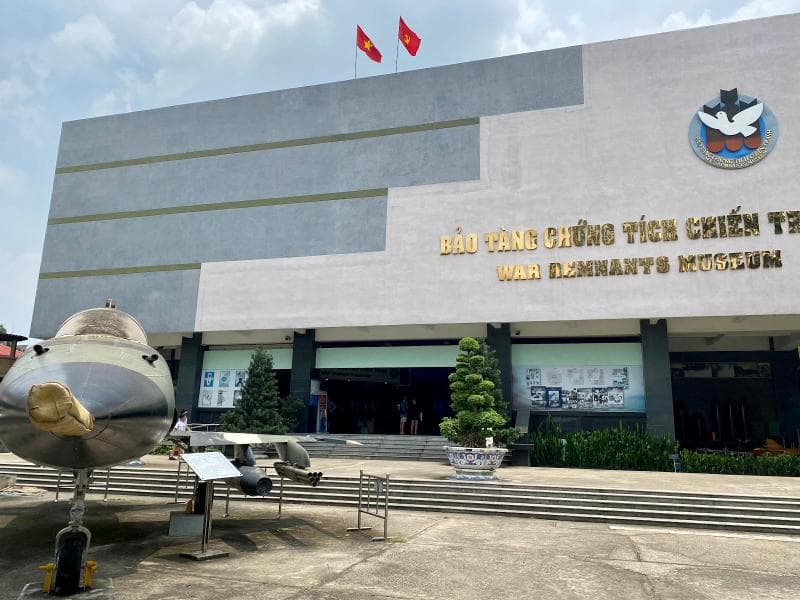
Explore the Historical Archive Rooms within Ho Chi Minh City's War Remnants Museum, uncovering Vietnam's past through powerful documents, photos, and artifacts.
Overview
The War Remnants Museum in Ho Chi Minh City is a powerful institution dedicated to preserving and presenting the historical narrative of the Vietnam War, known locally as the American War. While there isn't a single exhibit officially labeled 'Historical Archive Rooms', the very essence of the museum functions as a comprehensive archive. It meticulously collects, preserves, and displays an immense volume of primary source materials, including documents, artifacts, photographs, and documentary films, which form the bedrock of its various thematic exhibitions.
These collective 'Historical Archive Rooms' represent the museum's commitment to factual representation and serve as the repository for over 20,000 such items. These materials are not merely relics; they are vital pieces of evidence that convey the profound human cost and consequences of conflict. It's through this extensive archive that the museum fulfills its mission of educating the public and fostering a global understanding of peace.
History & Cultural Background
Established on September 4, 1975, shortly after the reunification of Vietnam, the museum originally opened its doors as the 'Exhibition House for US and Puppet Crimes'. Its purpose from the outset was to document the evidence and consequences of the war.
Over the decades, the museum's name evolved, reflecting shifts in diplomatic relations and its broader mission. It was renamed the 'Exhibition House for Crimes of War and Aggression' in 1990, and finally, in 1995, it became the War Remnants Museum. This evolution underscores a continuous commitment to presenting historical truths while also promoting awareness against unjust wars and advocating for peace and solidarity among nations.
The cultural significance of these archives is immense. They offer a Vietnamese perspective on a conflict that deeply shaped the nation, providing a counter-narrative often absent in Western accounts. The collection serves as a tangible link to the past, ensuring that the experiences and sacrifices of the Vietnamese people are remembered and understood by future generations and international visitors alike.
What Makes It Special
The unique power of the War Remnants Museum's 'Historical Archive Rooms' lies in the raw, unfiltered nature of its collection. Unlike purely academic archives, these materials are curated for public display, aiming for emotional impact and direct confrontation with the realities of war. The sheer volume and diversity of the materials—from official documents and personal letters to harrowing photographs and detailed artifacts—create a multi-faceted testimony.
Exhibitions like 'Historical Truths' feature a combination of photographs, documents, and artifacts to illustrate the U.S. military's involvement in Vietnam. The 'War Crimes of Aggression' display similarly uses numerous documents and artifacts alongside photographs to present evidence of the war's impact. This integrated approach ensures that visitors are not just told history, but are immersed in it through verifiable sources.
What truly distinguishes this archival approach is its role in fostering peace. By presenting the stark evidence of suffering and destruction, the museum aims to educate and deter future conflicts, embodying its vision as a 'destination for peace, friendship and development'.
Stories, Fun Facts & Local Details
The 'Historical Archive Rooms' are enriched by countless individual stories. Many documents and artifacts have been contributed by individuals and organizations, including former political prisoners, veterans, journalists, and photographers from both Vietnam and abroad. This personal touch adds a profound layer of authenticity and human experience to the collection.
For instance, the 'Reminiscence' photo collection, a powerful part of the museum's visual archives, features works by 134 correspondents of 11 nationalities who perished while covering the Indochina wars, compiled with assistance from the Vietnam News Agency. These photographs are not just historical records; they are poignant tributes and powerful narratives captured in a single frame.
The museum's focus on collecting and preserving these materials is a continuous effort, constantly enriching its 'archive' with new perspectives and evidence, making it a living, evolving record of a pivotal period in history. The dedication to gathering these details from varied sources ensures a comprehensive, albeit often difficult, portrayal of events.
Visitor Perspective
For visitors, engaging with the 'Historical Archive Rooms' means confronting history in its rawest form. It is an experience designed to be deeply moving and thought-provoking. Walking through the exhibitions, one encounters the tangible weight of the past: documents that detail strategic decisions, photographs that capture moments of unimaginable suffering, and personal items that speak of individual lives irrevocably altered by war.
The archival materials provide an essential context for understanding the broader narratives presented throughout the museum. They allow visitors to connect with the human stories behind the statistics and to reflect on the universal themes of conflict, resilience, and the enduring quest for peace. This encounter with primary sources, carefully preserved and presented, serves as a powerful reminder of the importance of historical memory and the museum's unwavering message against unjust wars.
Coordinates: 106.692132, 10.779475
View on Google Maps💬 How Travelers Describe This Place
Based on community votes
Photogenic
998Must See
685Unique
472Beautiful
399Interesting
92
Traveler Stories
Discover memorable experiences shared by travelers who have visited this place.
No traveler stories yet.
Be the first traveler to share what made this place memorable.

Tour
By
Spot
Discover amazing places around the world. Your journey starts here.
Explore
© 2026 TourBySpot. All rights reserved.