Requiem Photo Gallery
Ho Chi Minh City, Vietnam
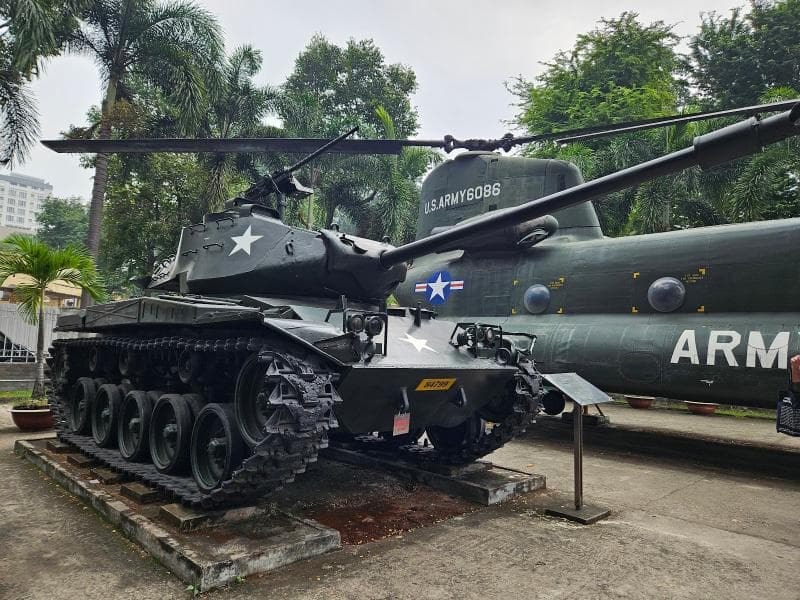
Explore the Requiem Photo Gallery at the War Remnants Museum in Ho Chi Minh City, Vietnam. Discover powerful photos by fallen war photojournalists.
Overview
Deep within the poignant War Remnants Museum in Ho Chi Minh City, Vietnam, lies a particularly moving exhibit: the Requiem Photo Gallery. This powerful collection serves as a solemn tribute to the photojournalists who bravely documented the conflicts of the First Indochina War and the Vietnam War, many of whom ultimately sacrificed their lives in the pursuit of truth. Visitors to this gallery are confronted with a stark and unfiltered visual narrative, showcasing the human cost of war through the lenses of those who were on the front lines. The gallery aims to provide a profound and often challenging perspective on these pivotal historical events, making it an essential, albeit emotionally demanding, part of any visit to the museum.
History & Cultural Background
The War Remnants Museum itself has a significant history, opening its doors on September 4, 1975, shortly after the reunification of Vietnam. Originally known as the 'Exhibition House for US and Puppet Crimes,' its name evolved over the years, settling on the War Remnants Museum in 1995 following the normalization of diplomatic relations with the United States. Its core mission is to research, collect, preserve, and display evidence of the wars of aggression in Vietnam, thereby fostering a global awareness against unjust conflicts and promoting peace.
The Requiem Photo Gallery specifically emerged from the dedication of renowned photojournalists Tim Page and Horst Faas. They meticulously assembled this collection and a corresponding book, 'Requiem,' to honor their colleagues who perished while covering the wars in Southeast Asia. A unique and powerful aspect of the gallery is its inclusion of images from photographers on both sides of the conflict—North Vietnamese, Viet Cong, American, European, and Cambodian—many of which had never been seen in the West before this exhibition was curated.
What Makes It Special
The Requiem Photo Gallery stands apart as a profoundly impactful section of the War Remnants Museum because it presents a narrative told not by historians or politicians, but by those who witnessed the horrors of war firsthand. It features approximately 275 photographs taken by 134 war photographers from 11 countries, each image a testament to their courage and dedication. These are not just photographs; they are often the final rolls of film or the last captured moments by individuals who knew the immense risks they were taking.
The gallery's power lies in its raw authenticity. The images vividly depict the agony of civilian casualties and the harrowing experiences of soldiers, transcending political divides to highlight the universal suffering caused by conflict. It’s a powerful anti-war statement, offering a human-centric view of history that complements the museum's broader educational objectives. The sheer volume of lives lost in the pursuit of documenting history makes this collection an unparalleled and deeply moving experience.
Stories, Fun Facts & Local Details
While the subject matter is somber, the 'Requiem' exhibit is rich with untold stories and meaningful details. One significant 'fun fact' – or rather, a poignant detail – is that the idea for the collection was sparked when Tim Page, while searching for the remains of his colleagues, was given a box of photographs by the North Vietnamese in Hanoi. These images were taken by North Vietnamese photographers who had also been killed in action, providing a crucial and often unseen perspective on the war. The collaboration between Page and Faas brought together a comprehensive and balanced visual record, honoring the sacrifice of over a hundred photojournalists.
The exhibit's meticulous curation ensures that each photograph, alongside personal belongings like a journalist's typewriter, resonates with individual human stories, reminding visitors of the personal risks taken to preserve history. The gallery effectively communicates that behind every lens was a person, each with their own hopes, fears, and commitment to showing the world what was happening. This collective narrative of bravery and sacrifice forms the emotional core of the Requiem Photo Gallery.
Visitor Perspective
Visiting the Requiem Photo Gallery is an intensely emotional experience that often leaves a lasting impression on travelers. Many describe it as the most powerful and moving part of the War Remnants Museum. The graphic nature of some images is intended to convey the brutal reality of war and its devastating consequences on both combatants and civilians. It prompts deep reflection on conflict, peace, and the role of journalism in shaping public understanding.
International visitors, in particular, often find the gallery's perspective eye-opening, offering insights that may differ from narratives encountered elsewhere. It serves as a powerful reminder of the importance of peace and understanding between nations. The gallery challenges visitors to confront uncomfortable truths, ultimately aiming to foster empathy and a renewed commitment to preventing future conflicts. It’s an experience that stays with you long after you've left the museum, encouraging a deeper appreciation for the value of peace.
Coordinates: 106.692132, 10.779475
View on Google Maps💬 How Travelers Describe This Place
Based on community votes
Interesting
980Beautiful
712Unique
288Photogenic
130Must See
62
Traveler Stories
Discover memorable experiences shared by travelers who have visited this place.
No traveler stories yet.
Be the first traveler to share what made this place memorable.

Tour
By
Spot
Discover amazing places around the world. Your journey starts here.
Explore
© 2026 TourBySpot. All rights reserved.