Prison Cell Reconstruction
Ho Chi Minh City, Vietnam
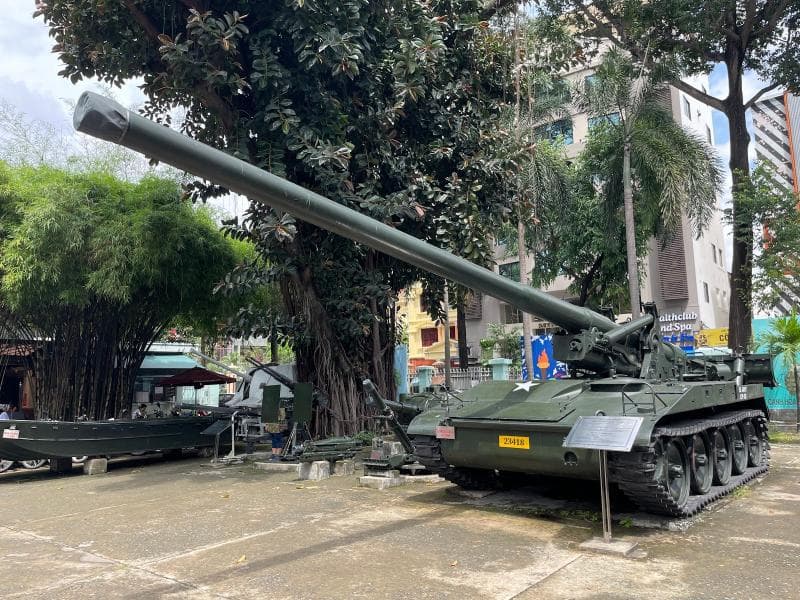
Explore the chilling Prison Cell Reconstruction at Ho Chi Minh City's War Remnants Museum, revealing the harsh realities of wartime imprisonment.
Overview
Deep within the War Remnants Museum in Ho Chi Minh City, a powerful and somber experience awaits visitors: the Prison Cell Reconstruction. This evocative exhibit, often referred to as the 'Tiger Cages,' serves as a chilling testament to the brutal realities faced by political prisoners during the Vietnam War and even earlier conflicts. It is not merely a display, but a meticulously recreated environment designed to transport you into the harsh confines where countless individuals endured unspeakable suffering. Stepping into this section of the museum offers a profound, often overwhelming, glimpse into a dark chapter of history, underscoring the immense human cost of war and the resilience of the human spirit.
History & Cultural Background
The Prison Cell Reconstruction primarily depicts the infamous 'Tiger Cages,' a system of inhumane confinement originally used by French colonialists and later extensively by the South Vietnamese government, with US support, to suppress dissent and interrogate political prisoners. These particular cells were notoriously utilized in prisons such as Con Dao and Phu Quoc, remote island facilities that became symbols of torture and repression. The term 'Tiger Cages' itself refers to small, cramped, barbed-wire enclosures where prisoners were held under torturous conditions, often exposed to the elements, deprived of basic necessities, and subjected to various forms of abuse. The museum's exhibit aims to bring this grim history to life, demonstrating the systematic nature of the imprisonment regime and the psychological and physical torment inflicted upon Vietnamese patriots.
What Makes It Special
What makes the Prison Cell Reconstruction particularly impactful is its visceral authenticity and immersive presentation. Unlike static displays, this exhibit uses lifelike mannequins and detailed reconstructions to convey the cramped, suffocating reality of these cells. Visitors can peek into these tiny spaces, often just large enough for one person, designed to house multiple individuals, forcing them into agonizing postures. The use of ambient sound effects, such as metal doors, chains, and faint prison noises, further heightens the sense of confinement and dread. The exhibit doesn't shy away from depicting the harsh methods of torture, serving as a stark reminder of the human rights violations that occurred during the conflict. It’s a powerful educational tool that transcends simple historical facts, offering a raw, emotional encounter with the past.
Stories, Fun Facts & Local Details
While 'fun facts' may seem inappropriate for such a solemn exhibit, the local details reveal the extraordinary resilience of those imprisoned. The conditions in these 'Tiger Cages' were designed to break the human spirit, with prisoners often left in spaces so small they could only stoop or lie down, enduring malnutrition, sleep deprivation, and physical injury. Accounts from former political prisoners, whose contributions enrich the museum's collections, reveal incredible stories of survival, resistance, and solidarity within these horrific confines. The museum also showcases other instruments of repression, like the guillotine, used during both French colonial rule and the early stages of the South Vietnamese government to execute those deemed threats, providing a broader context to the harsh penal system. These stories, though tragic, highlight the indomitable will of the Vietnamese people in their struggle for independence and peace.
Visitor Perspective
Visiting the Prison Cell Reconstruction is often described as one of the most emotionally challenging, yet essential, parts of the War Remnants Museum. Many visitors report a profound sense of sadness, anger, and empathy as they witness the conditions endured by prisoners. It’s an experience that leaves a lasting impression, fostering a deeper understanding of the brutality of war and its impact on individuals. The exhibit compels reflection on universal themes of human suffering, dignity, and the pursuit of freedom. While it can be an intense and sobering experience, it is highly recommended for anyone seeking to grasp the full historical narrative of the Vietnam War and to appreciate Vietnam's journey toward peace and reconciliation.
Coordinates: 106.692132, 10.779475
View on Google Maps💬 How Travelers Describe This Place
Based on community votes
Photogenic
685Interesting
446Beautiful
152Unique
33Must See
16
Traveler Stories
Discover memorable experiences shared by travelers who have visited this place.
No traveler stories yet.
Be the first traveler to share what made this place memorable.

Tour
By
Spot
Discover amazing places around the world. Your journey starts here.
Explore
© 2026 TourBySpot. All rights reserved.