Agent Orange Exhibit
Ho Chi Minh City, Vietnam
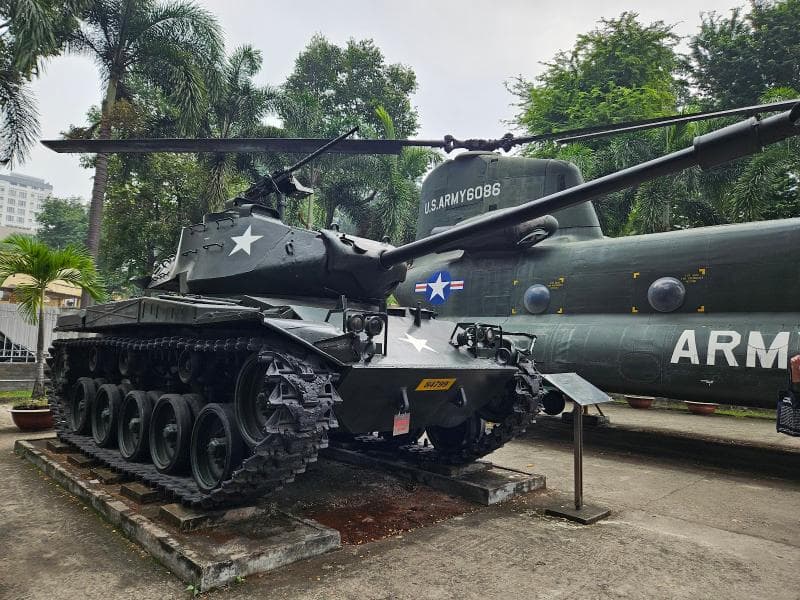
Explore the Agent Orange Exhibit at the War Remnants Museum in Ho Chi Minh City, Vietnam, detailing the devastating, lasting impact of chemical warfare.
Overview
The Agent Orange Exhibit, nestled within the profoundly moving War Remnants Museum in Ho Chi Minh City, Vietnam, serves as a stark and essential educational experience. This specific section of the museum is dedicated to documenting the catastrophic long-term effects of Agent Orange, a highly toxic herbicide sprayed extensively by the U.S. military during the Vietnam War. It presents a raw and unfiltered look at the human and environmental devastation caused by this chemical weapon, ensuring its impact is not forgotten.
Visitors to the exhibit will encounter a powerful collection of photographs, documents, and artifacts that meticulously detail the consequences of dioxin contamination on generations of Vietnamese people, as well as on American and allied soldiers. The display aims to foster a deeper understanding of the war's enduring legacy and the critical importance of peace.
History & Cultural Background
From 1961 to 1971, during what was known as the 'Ranch Hand' campaign, the U.S. military sprayed over 100 million liters of chemical defoliants, with Agent Orange constituting approximately 65% of this total, across vast areas of Central Vietnam, the Central Highlands, and Southern Vietnam. This chemical contained 386 kilograms of highly toxic pure dioxin. The primary objective was to destroy jungle cover and enemy food crops.
However, the indiscriminate spraying contaminated an estimated 2.6 million hectares of land and had devastating, lingering health effects on an estimated 2.1 million to 4.8 million Vietnamese people and their descendants, causing cancers, severe disabilities, and congenital deformities. The exhibit emphasizes that these tragic consequences continue to affect new generations, representing a genetic time bomb. The cultural significance lies in Vietnam's ongoing struggle for justice and support for the victims, making this exhibit a poignant reminder of resilience in the face of immense suffering.
What Makes It Special
What sets the Agent Orange Exhibit apart is its unflinching honesty and its direct presentation of the human cost of chemical warfare. Unlike many historical accounts, this exhibit doesn't shy away from graphic imagery. It features harrowing photographs, some by renowned photojournalists like Goro Nakamura and Philip Jones Griffiths, that capture the deformities, illnesses, and struggles faced by victims across multiple generations.
The exhibit includes personal artifacts and documents that give voice to the victims, transforming statistics into deeply personal narratives. It serves as a powerful call for global peace and a condemnation of unjust wars, aligning with the War Remnants Museum's broader mission as a member of the international network of Museums for Peace. This commitment to truth and education makes the exhibit a vital, albeit challenging, experience.
Stories, Fun Facts & Local Details
The stories within the Agent Orange Exhibit are not 'fun facts,' but rather profound insights into human endurance and the ongoing fight for recognition and aid. Visitors often encounter displays dedicated to individuals and families profoundly affected by dioxin, highlighting their daily struggles and their unwavering spirit. For instance, the exhibit showcases how many victims, despite severe physical limitations, have found ways to contribute to their communities and live meaningful lives.
One powerful aspect is the inclusion of testimonials and artwork created by the victims themselves, some of whom were student artists. These contributions underscore the creativity and resilience that persist even amidst immense suffering. The exhibit also features photographs and documents showing international solidarity and movements demanding justice for Agent Orange victims worldwide, showcasing a global human connection to this Vietnamese tragedy.
Visitor Perspective
Visiting the Agent Orange Exhibit is often described as an intensely emotional and thought-provoking experience. Many travelers find themselves deeply moved and disturbed by the graphic depictions of birth defects and the long-term health consequences, which are presented without softening. It's a challenging but essential part of understanding the full scope of the Vietnam War and its aftermath.
The exhibit encourages profound reflection on the ethical implications of warfare and the importance of preventing similar atrocities. While some images are difficult to view, visitors consistently emphasize the educational value and the necessity of confronting these realities to appreciate the resilience of the Vietnamese people and the imperative for global peace. It leaves a lasting impression, prompting visitors to consider the true cost of conflict far beyond the battlefield.
Coordinates: 106.692132, 10.779475
View on Google Maps💬 How Travelers Describe This Place
Based on community votes
Unique
921Photogenic
831Must See
357Interesting
232Beautiful
147
Traveler Stories
Discover memorable experiences shared by travelers who have visited this place.
No traveler stories yet.
Be the first traveler to share what made this place memorable.

Tour
By
Spot
Discover amazing places around the world. Your journey starts here.
Explore
© 2026 TourBySpot. All rights reserved.