Vilnius Old Town
Vilnius, Lithuania
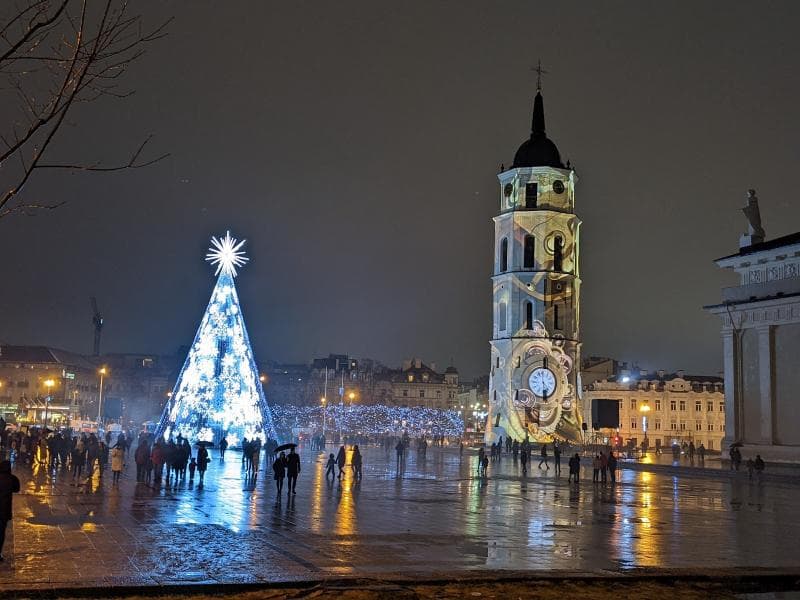
Explore Vilnius Old Town, a UNESCO World Heritage site in Vilnius, Lithuania. Discover its rich history, diverse architecture, and unique cultural charm.
Overview
Vilnius Old Town, nestled in the heart of Vilnius, Lithuania, stands as one of Northern Europe's largest and most magnificent surviving medieval old towns. Recognized as a UNESCO World Heritage site since 1994, it spans approximately 3.59 to 3.6 square kilometers, encompassing a vibrant tapestry of history, culture, and architecture. Walking through its narrow, cobblestone streets feels like stepping back in time, offering a rich blend of Gothic, Renaissance, Baroque, and Neoclassical styles that narrate centuries of change. It's a place where every turn reveals a new story, making it an ideal destination for curious travelers seeking depth and beauty.
History & Cultural Background
The Old Town's origins trace back centuries, with its development profoundly shaped by Vilnius' role as the capital of the Grand Duchy of Lithuania. It gained Magdeburg rights in 1387 under Grand Duke Jogaila, establishing it as a significant trading center in Northern Europe. Over five centuries, this historic center evolved organically, becoming an exceptional illustration of a Central European town. It served as a pivotal outpost where Eastern and Western cultures interacted, influencing the region's politics, architecture, culture, and science. The city's tumultuous past, marked by various occupations, has left layers of history, yet its core remains a testament to resilience. Vilnius Old Town also boasts a rich multicultural heritage, with influences from Polish, Jewish, Russian, and Lithuanian communities evident in its diverse architectural landscape and historical narratives. Once known as the 'Jerusalem of the North', it preserves traces of a thriving Jewish community that once called these streets home.
What Makes It Special
What truly sets Vilnius Old Town apart is its unparalleled architectural diversity and the harmonious coexistence of different styles. Unlike many European cities where distinct architectural periods are isolated, here, Gothic, Renaissance, Baroque, and Neoclassical structures stand side by side, complementing each other. The city's original medieval street layout has been remarkably preserved, offering a unique urban experience. Key landmarks like the late Gothic St. Anne's Church, a masterpiece of intricate red-brick twists, the opulent Baroque Church of St. Peter and St. Paul, and the Neoclassical Vilnius Cathedral, with its medieval foundations, highlight this architectural richness. The sprawling Vilnius University Architectural Ensemble, occupying a large portion of the Old Town with its 13 courtyards, showcases a blend of architectural styles across centuries. This rich diversity and the well-preserved townscape are central to its UNESCO World Heritage recognition.
Stories, Fun Facts & Local Details
The Old Town is imbued with captivating stories and unique local charm. Legend has it that the city of Vilnius was founded after Grand Duke Gediminas had a prophetic dream of an Iron Wolf howling on a hill, foretelling the future capital's strength and glory. A short walk from the historic center brings you to the bohemian, self-proclaimed Republic of Užupis, an artistic district with its own constitution, adding a quirky, free-spirited layer to the city's character. The Gates of Dawn, the only surviving gate of the city's ancient walls, houses a revered 17th-century icon of the Blessed Virgin Mary, a significant pilgrimage site for Catholics worldwide. Another fascinating aspect is the presence of numerous hidden courtyards, often invisible from the main streets, offering quiet retreats and a sense of discovery. These private spaces tell their own stories, making each discovery a small adventure.
Visitor Perspective
For visitors, exploring Vilnius Old Town is an immersive experience best savored on foot. The sheer walkability of the area, with its limited traffic, invites leisurely strolls through charming streets and art-filled squares. Unlike some European old towns that can feel overwhelmingly crowded, Vilnius often maintains a softer, more peaceful rhythm. Travelers frequently describe feeling transported to another era, captivated by the elegant pastel buildings, ornate facades, and the sense of history emanating from every corner. The city's vibrant café culture, with establishments spilling onto narrow lanes in summer, provides perfect spots to pause and absorb the atmosphere. From the central squares like Cathedral Square and Town Hall Square, bustling with events and daily life, to the panoramic views from Gediminas Tower, the Old Town offers endless opportunities for discovery and appreciation.
Coordinates: 25.2833, 54.6833
View on Google Maps💬 How Travelers Describe This Place
Based on community votes
Must See
998Unique
903Beautiful
481Interesting
458Photogenic
197
Traveler Stories
Discover memorable experiences shared by travelers who have visited this place.
No traveler stories yet.
Be the first traveler to share what made this place memorable.
Things to see at Vilnius Old Town



Tour
By
Spot
Discover amazing places around the world. Your journey starts here.
Explore
© 2026 TourBySpot. All rights reserved.