Pilies Street
Vilnius, Lithuania
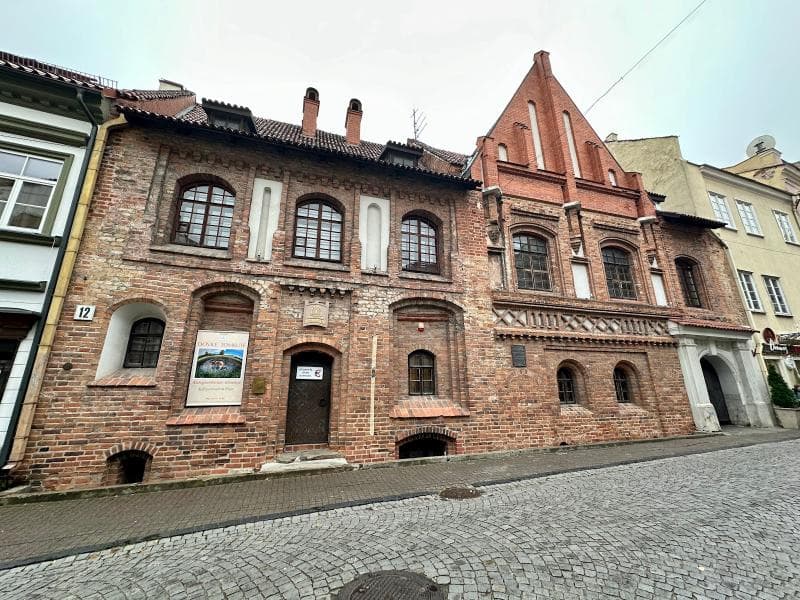
Explore Pilies Street, the oldest and most vibrant street in Vilnius Old Town, Lithuania. Dive into its rich history, diverse architecture, and lively cultural scene.
Overview
Pilies Street, known locally as Pilies gatvė, is often considered the heart of Vilnius Old Town, Lithuania. This historic and vibrant thoroughfare stretches between the grand Cathedral Square and the bustling Town Hall Square, serving as a captivating artery through centuries of Lithuanian heritage. Its name, 'Castle Street', directly references its ancient role as the primary road leading to the Vilnius Castle. Today, it remains a focal point for visitors and locals alike, brimming with architectural wonders, artisanal shops, cozy cafes, and traditional restaurants.
History & Cultural Background
The story of Pilies Street begins deep in the past, with its origins tracing back to the 14th century as an essential route connecting the Vilnius Castle to the southern trade tracts. It was first officially mentioned in historical annals as early as 1530. This street was not merely a path but a ceremonial stage, trodden by kings, papal legates, and foreign envoys on their way to the castle. Its importance led noblemen and wealthy citizens to construct their residences along its length, contributing to its early prominence.
Pilies Street also played a significant role in the academic life of Vilnius, with Vilnius University occupying a considerable quarter beside it, and many of its professors residing there. Furthermore, this street marks the former site of the Pilies (Castle) Gate, a crucial part of the city's defensive wall system constructed between approximately 1503 and 1522. Though this gate was eventually demolished in 1837, its historical presence underscores the street's strategic importance in medieval Vilnius. Interestingly, Christian communities, both Orthodox and Catholic, gathered around Pilies Street even during the city's earlier pagan era, highlighting its long-standing cultural and spiritual significance.
What Makes It Special
What truly sets Pilies Street apart is its remarkable architectural tapestry. A walk along its length is a journey through different epochs, showcasing a harmonious blend of Gothic, Renaissance, and Baroque styles. You can admire Gothic elements at Pilies 12 and 14, a Renaissance building at Pilies 4, which once housed an episcopate college, and the beautiful Baroque pediment of St. John's Church. This architectural diversity is a living testament to the city's rich and complex history.
Its central position, linking Cathedral Square and Town Hall Square, naturally establishes it as a vibrant hub for all kinds of activities, from daily commerce to grand processions. One of the most profoundly significant landmarks on Pilies Street is the House of the Signatories. This unassuming building holds immense historical weight, as it was here, on February 16, 1918, that the Act of Reinstating Independence of Lithuania was signed, restoring the independent Lithuanian state after over a century of Russian rule. Beyond its historical depth, Pilies Street also offers picturesque views, including a stunning perspective of Gediminas Tower, which proudly overlooks the city. The pedestrian-friendly nature of the street, coupled with its array of souvenir shops, traditional Lithuanian restaurants, charming cafes, and lively street performers, creates an inviting and captivating atmosphere that draws visitors from all corners of the globe.
Stories, Fun Facts & Local Details
The very name 'Pilies gatvė' or 'Castle Street' in Lithuanian, offers a direct glimpse into its ancient connection to the Vilnius Castle. Despite centuries of change, the street impressively retains much of its medieval street plan, characterized by its gentle curve, narrow plots, numerous gateways, and charmingly uneven rooflines. Peeking into these arched passages often reveals hidden courtyards behind the public facades, a nod to the past.
Pilies Street truly comes alive during special events. It is famously the main venue for the Kaziukas Fair every March, a beloved traditional folk art and crafts market that sees artisans from all over Lithuania gathering to display their wares. Throughout the year, the street is a frequent stage for various festivals and celebrations. Whether it is Christmas, Easter, or the annual commemoration of Independence Day, processions invariably make their way through Pilies Street, making it the pulse of Vilnius's public life. For those seeking a tangible piece of Lithuania, Pilies Street is a treasure trove of authentic handicrafts, exquisite amber jewelry, and traditional linen clothing. Historically, its broader sections once hosted bustling markets, including the 'Great Market' and a fish market, further cementing its role as a vital commercial and social hub. Even today, the Vilnius Tourism Information Centre is located here, housed in a unique 17th-century building, ready to guide curious travelers.
Visitor Perspective
To experience the true essence of Vilnius, a stroll along Pilies Street is absolutely essential. It is a place where you can easily lose yourself for hours, soaking in the vibrant atmosphere and the weight of history that permeates every cobblestone. Visitors can explore a plethora of shops, discovering unique souvenirs and gifts that tell a story of Lithuanian artistry.
For food enthusiasts, the street offers an excellent opportunity to indulge in traditional Lithuanian cuisine. Savor hearty dishes like cepelinai (potato dumplings), kugelis (potato pudding), or the refreshing šaltibarščiai (cold beet soup) at one of its many charming restaurants. To truly witness Pilies Street at its most energetic, the summer months are ideal, when outdoor cafes spill onto the pavements, and the air is filled with street performances and live music. However, for those who prefer a more serene exploration, an early morning visit offers a quieter perspective, allowing you to appreciate the street's historical contours and architectural details before the daily hustle and bustle fully begins.
Coordinates: 25.28917, 54.68444
View on Google Maps💬 How Travelers Describe This Place
Based on community votes
Photogenic
685Interesting
446Beautiful
152Unique
33Must See
16
Traveler Stories
Discover memorable experiences shared by travelers who have visited this place.
No traveler stories yet.
Be the first traveler to share what made this place memorable.

Tour
By
Spot
Discover amazing places around the world. Your journey starts here.
Explore
© 2026 TourBySpot. All rights reserved.