Gate Of Dawn
Vilnius, Lithuania
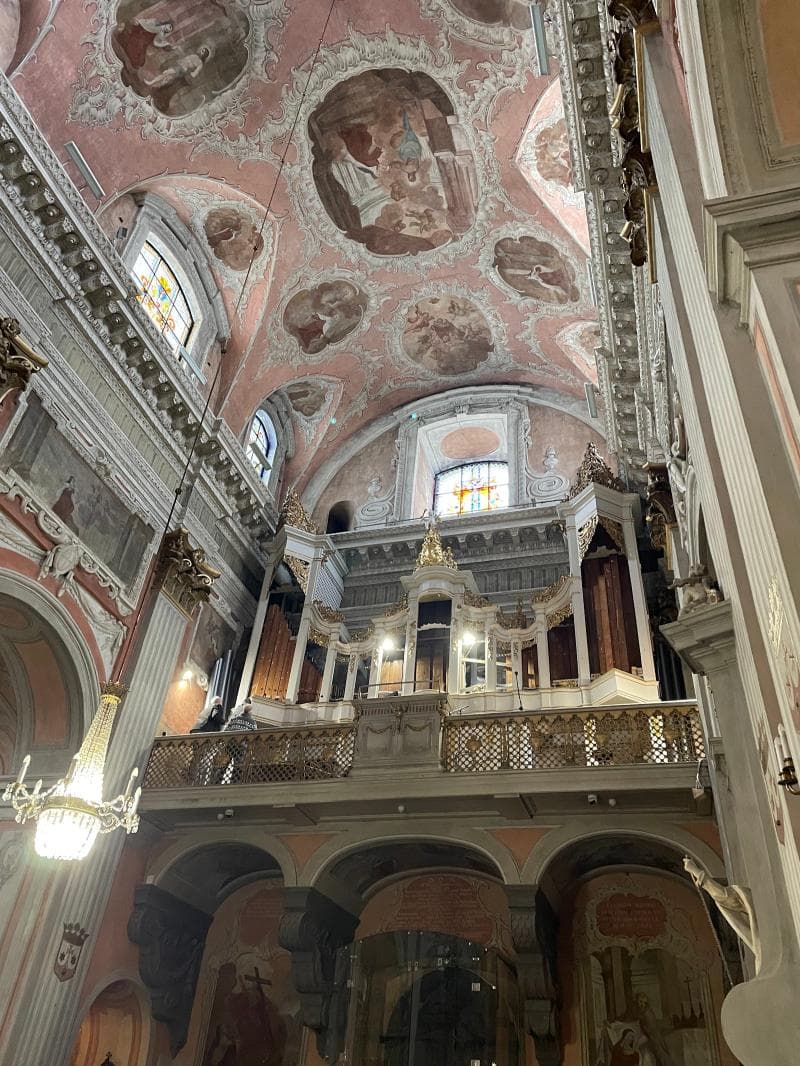
Explore Vilnius's Gate of Dawn, a historic city gate and pilgrimage site in Lithuania's Old Town, housing the miraculous painting of the Mother of Mercy.
Overview
Nestled within the UNESCO-listed Vilnius Old Town in Lithuania, the Gate of Dawn, or Aušros Vartai in Lithuanian, stands as a profound symbol of history, faith, and cultural heritage. It is the sole surviving original city gate of the defensive wall that once encircled Vilnius, making it a unique architectural and historical landmark. More than just a gate, it houses the revered Chapel of the Blessed Virgin Mary, Mother of Mercy, attracting pilgrims and visitors from across the globe.
This iconic site serves as a testament to centuries of resilience and devotion, offering a compelling journey into Lithuania's rich past. Its spiritual significance, deeply intertwined with the miraculous painting housed within, positions it as one of the most important religious, historical, and cultural monuments in the country.
History & Cultural Background
The story of the Gate of Dawn began between 1503 and 1522, when it was constructed as part of Vilnius' extensive defensive fortifications. At the time, the city was building a stone wall to protect itself from potential invasions, and this gate was one of ten entry points. Initially, it was known as the Medininkai Gate because it led towards the town of Medininkai. Over time, it was also referred to as the Sharp Gate, possibly due to its location on the 'sharp' or outer edge of the city.
Remarkably, while all other city gates were destroyed in the late 18th century, the Gate of Dawn was spared, often attributed to the powerful presence of the painting it harbored. Its defensive function is still visible through the firing openings on its exterior. In the 17th century, the Discalced Carmelites, who settled nearby, built a wooden chapel over the gate to house the painting of the Blessed Virgin Mary, transforming a defensive structure into a spiritual sanctuary.
What Makes It Special
The true heart of the Gate of Dawn's allure lies within its chapel: the miraculous painting of the Blessed Virgin Mary, Mother of Mercy. This 17th-century Renaissance painting, also known as Our Lady of the Gate of Dawn or the Madonna of Vilnius, is one of Lithuania's most renowned artistic and religious treasures.
What sets this image apart is its veneration by both Catholic and Orthodox faithful, a rare instance of interfaith devotion. The painting is partially covered by an ornate silver and gold riza, leaving only the face and hands of Mary visible, a common practice for revered icons. Pilgrims flock here, offering countless votive gifts that adorn the chapel walls, reflecting personal stories of hope, gratitude, and miraculous healings attributed to the Madonna.
Stories, Fun Facts & Local Details
The Gate of Dawn is steeped in legends that amplify its mystique. One prominent tale recounts the Swedish occupation of Vilnius in 1702 during the Great Northern War. According to local lore, at dawn, the heavy iron city gates mysteriously fell, crushing Swedish soldiers and allowing the Polish-Lithuanian Commonwealth Army to counter-attack successfully, a miracle attributed to the Madonna's intervention.
Another legend speaks of a Swedish bullet striking the painting itself in 1702, yet without harming it. The image is believed to possess healing powers, with stories dating back to 1671 when a child who fell from a second-story window was brought before the painting and miraculously revived. The site is so significant that Pope John Paul II prayed the Rosary here during his 1993 visit to Lithuania. Furthermore, a Lithuanian Chapel dedicated to Our Lady Mater Misericordiae exists in St. Peter's Basilica in Vatican City, a testament to the painting's widespread reverence.
Visitor Perspective
Visiting the Gate of Dawn offers a deeply moving experience. As you approach this historical archway at the edge of Vilnius Old Town, you often encounter pilgrims, some kneeling and praying on the cobblestones below the chapel window. The pathway leading up to the chapel is adorned with shops selling religious artifacts, reflecting the site's ongoing spiritual vitality. Climbing the narrow staircase to the chapel, directly above the gate's arch, provides a sense of stepping into a sacred space, far removed from the bustling city below.
Inside, the atmosphere is one of profound reverence, with flickering candles and quiet contemplation. Even for those not religiously inclined, the Gate of Dawn provides a powerful encounter with centuries of history, art, and an enduring sense of community and faith. It's an essential starting point for understanding the soul of Vilnius and its rich cultural tapestry.
Coordinates: 25.28954, 54.67432
View on Google Maps💬 How Travelers Describe This Place
Based on community votes
Beautiful
998Interesting
903Unique
481Photogenic
458Must See
92
Traveler Stories
Discover memorable experiences shared by travelers who have visited this place.
No traveler stories yet.
Be the first traveler to share what made this place memorable.

Tour
By
Spot
Discover amazing places around the world. Your journey starts here.
Explore
© 2026 TourBySpot. All rights reserved.