Town Hall Square
Vilnius, Lithuania
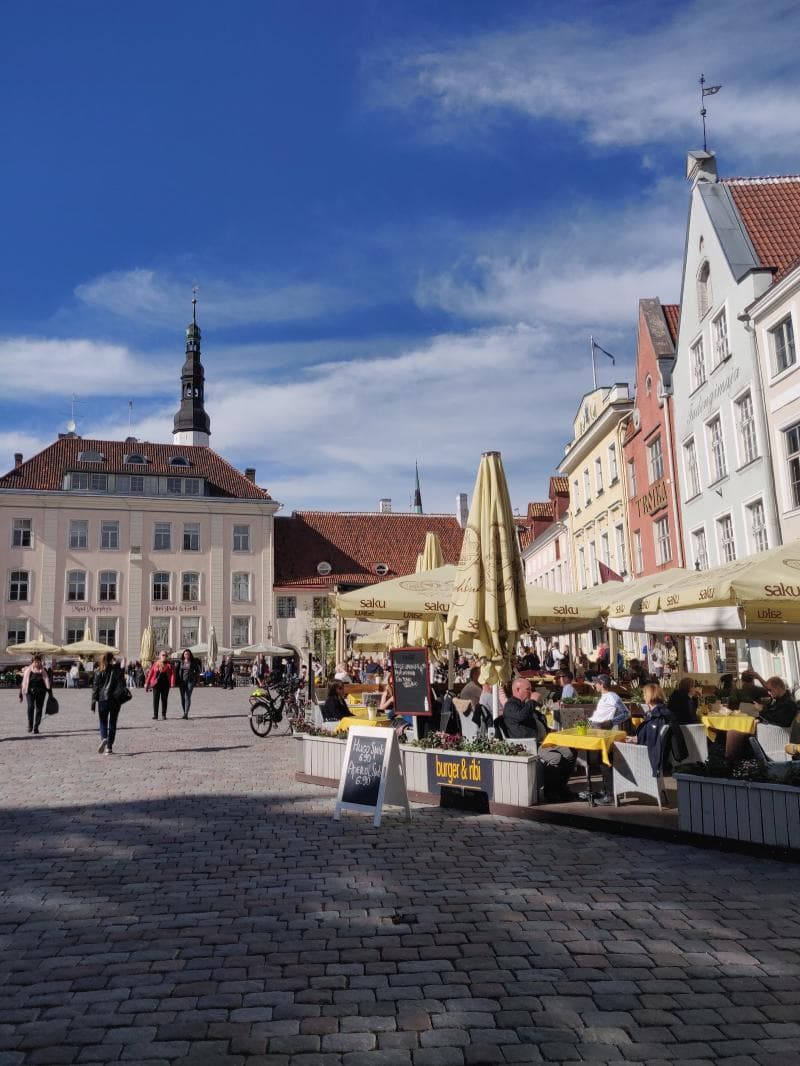
Discover Town Hall Square (Rotušės aikštė) in Vilnius Old Town, Lithuania. Explore its rich history, neoclassical architecture, and vibrant cultural events.
Overview
Stepping into Town Hall Square, or Rotušės aikštė as it's known locally, is like walking into the vibrant heart of Vilnius Old Town. This historical square, surrounded by buildings that whisper tales of centuries past, has been the central gathering place for the city for generations. Located strategically at the intersection of major thoroughfares like Didžioji and Vokiečių streets, it forms an urban focal point reflecting medieval planning principles. As an integral part of the UNESCO-listed Old Town, Town Hall Square is celebrated for its outstanding architectural and urban heritage, maintaining its historic character while embracing contemporary life. Today, it remains a bustling hub where locals and visitors alike come to experience Vilnius's rich layered history and vibrant culture.
The square's generous rectangular space allows it to comfortably host numerous markets, festivals, and public celebrations throughout the year. Dominated by the elegant neoclassical Vilnius Town Hall building, the square is framed by an impressive blend of architectural styles—Baroque, Gothic, Renaissance, and Neoclassical—creating a visually stunning and harmonious cityscape. It is a place where history, culture, and community converge, offering a deeply engaging experience of Vilnius's dynamic character.
History & Cultural Background
The origins of Town Hall Square trace back to the early medieval period, when it served primarily as a central marketplace, a vital hub for trade and commerce. The Vilnius Town Hall itself was first documented in 1432, making it one of Eastern Europe's oldest civic buildings. Its original design was Gothic, reflecting Vilnius's burgeoning importance as an administrative and commercial center within the Grand Duchy of Lithuania. Over the centuries, the square functioned as the main marketplace for goods such as Baltic amber, textiles, and spices, with shops set up both within the Town Hall and in surrounding buildings.
The Town Hall building has undergone several significant reconstructions due to wars, fires, and changing needs. Its most notable transformation occurred in 1799 when the renowned architect Laurynas Gucevičius redesigned it in the distinctive neoclassical style that stands today. This grand design, featuring a prominent portico with six Ionic columns and a triangular pediment, exemplifies the architectural ideals of the Enlightenment era. Beneath the main building, preserved Gothic cellars offer a fascinating glimpse into the city's medieval past. The square was also a site for royal proclamations, diplomatic receptions, public assemblies, and even public punishments and executions, featuring a shame pole and gallows. It was here, on April 24, 1794, that the Lithuanian uprising was declared.
What Makes It Special
Town Hall Square is special not just for its rich history, but for its enduring role as a living, breathing part of Vilnius's identity. It embodies the city's ability to preserve its past while dynamically engaging with the present. The neoclassical grandeur of the Town Hall, set against a backdrop of Baroque, Gothic, and Renaissance architecture, creates a unique visual tapestry that is both historically significant and aesthetically pleasing. The meticulous preservation efforts that maintain the square's historic character are integral to Vilnius Old Town's UNESCO World Heritage status.
Beyond its architectural beauty, the square is a dynamic stage for civic life. It has continuously adapted from a bustling medieval market to a representative space for important state visits and cultural events. The energy of the square comes from its constant reinvention—from medieval trading hub to a vibrant venue for modern festivals, reflecting the city's resilience and adaptability. Its central location also makes it a natural starting point for exploring the winding cobblestone streets, hidden courtyards, and numerous landmarks of the Old Town.
Stories, Fun Facts & Local Details
Throughout its history, Town Hall Square has been a witness to countless stories and peculiar happenings. During the Middle Ages, aside from trade and civic duties, the square was even a source of entertainment, with mentions of bears providing amusement. It was a place where strict regulations governed trade, punishing violations with fines, flogging, or imprisonment, and confiscated goods were often donated to refuges and hospitals. The city's adherence to Magdeburg rights meant that foreign merchants traveling through Vilnius had to stop and sell their goods to local buyers, fostering its commercial importance.
Today, the square continues to be a focal point for meaningful cultural expressions. It is one of the main locations for Vilnius's famous annual Kaziukas Fair in March, a centuries-old celebration of folk art, crafts, and traditional foods. During the festive season, it hosts one of Northern Europe's most atmospheric Christmas markets, transforming into a wonderland of lights, artisanal gifts, and seasonal treats alongside Cathedral Square. The square is also home to one of the 'Portals,' a network of global sculptures offering a real-time, unfiltered livestream connection with other cities worldwide, symbolizing interconnectedness. Look closely around the square, and you might spot one of several depictions of Vilnius's coat of arms, featuring Saint Christopher carrying the Christ Child, a symbol of protection and endurance for the city.
Visitor Perspective
For a curious traveler, Town Hall Square offers a multi-sensory experience. Imagine strolling across the neatly arranged stone slabs, perhaps catching the aroma of traditional Lithuanian food from a nearby cafe, or the sound of live music during one of the many festivals. Whether it's the lively atmosphere of a summer evening, the festive glow of the Christmas market, or the historical echoes of Kaziukas Fair, the square constantly pulsates with energy.
Exploring the Town Hall building itself provides insight into Vilnius's civic history, with tours sometimes extending to its preserved Gothic cellars. The surrounding pastel-colored buildings house charming cafes, restaurants, and souvenir shops, perfect for a relaxing break or finding unique local crafts. The square serves as an ideal starting point for a walking exploration of Vilnius Old Town, with major landmarks like the Gate of Dawn and Vilnius Cathedral easily accessible via nearby streets. It's a place to observe local life, appreciate architectural beauty, and feel the pulse of a city that cherishes its past while embracing the present.
Coordinates: 25.287, 54.678
View on Google Maps💬 How Travelers Describe This Place
Based on community votes
Beautiful
685Interesting
472Must See
446Unique
399Photogenic
92
Traveler Stories
Discover memorable experiences shared by travelers who have visited this place.
No traveler stories yet.
Be the first traveler to share what made this place memorable.

Tour
By
Spot
Discover amazing places around the world. Your journey starts here.
Explore
© 2026 TourBySpot. All rights reserved.