Tjörnin
Reykjavik, Iceland
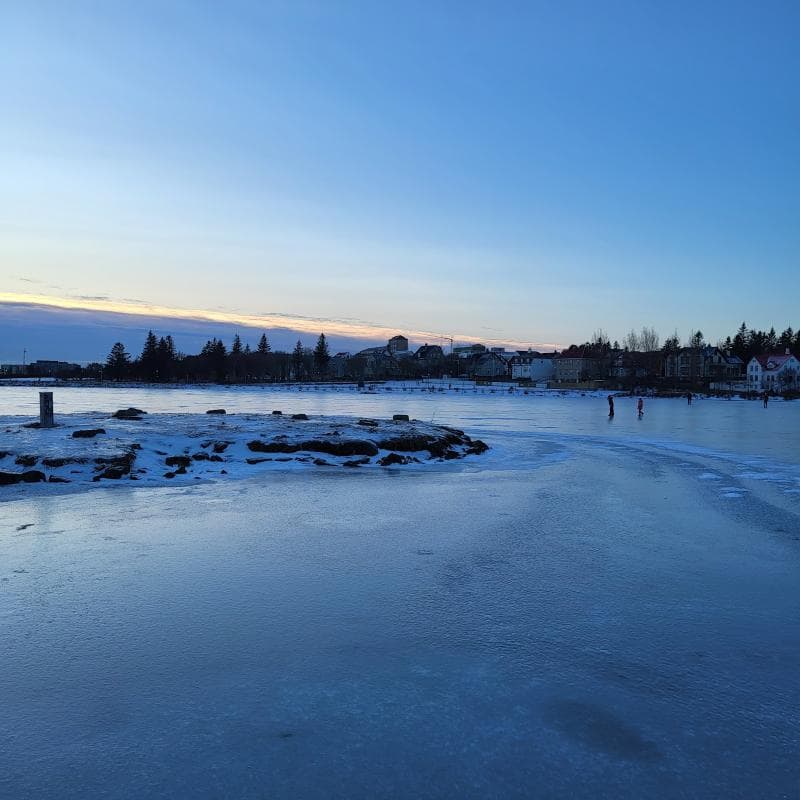
Discover Tjörnin, Reykjavik's iconic pond, a serene haven teeming with birdlife and encircled by historic landmarks in the heart of Iceland's capital.
Overview
Tjörnin, affectionately known as 'the Pond,' is a prominent and picturesque lake nestled in the very heart of Reykjavik, Iceland. This central body of water is a cherished urban oasis, offering a serene escape amidst the bustling capital. Despite its Icelandic name meaning 'the pond,' Tjörnin covers approximately 0.8 square kilometers and maintains a shallow average depth of around 0.57 meters (1.9 feet), reaching a maximum of 0.8 meters (2.7 feet). Its shores are a mosaic of significant Icelandic institutions, including the distinctive Reykjavik City Hall, which appears to rise directly from the water, the Parliament House (Alþingishúsið), the National Gallery of Iceland, and numerous other cultural landmarks. Paved walking paths encircle Tjörnin, providing locals and visitors alike with a tranquil route for strolls, jogging, and birdwatching year-round. The lake's surface often mirrors the vibrant colors of the surrounding houses and historic buildings, creating a captivating visual spectacle.
History & Cultural Background
Tjörnin's history is deeply intertwined with the very origins and development of Reykjavik. Formed approximately 1,200 years ago, around 800 AD, it was originally a sea lagoon that gradually transformed into a freshwater pond. This natural shift occurred due to groundwater flows from the nearby Vatnsmýri marshlands and the formation of a gravel barrier separating it from the ocean. Long before the arrival of Norse settlers, this water body influenced the local landscape. Early settlers during Iceland's Age of Settlement likely found the area attractive due to its access to fresh water and fertile land, making Tjörnin a vital resource.
As Reykjavik began to develop, particularly from the 18th century onward, Tjörnin remained a central feature. In the 19th and early 20th centuries, it served practical purposes for residents, such as providing water and a place to wash clothes. Significant urban planning changes in the early 20th century further shaped the pond. In 1911, the stream known as Lækurinn, which was Tjörnin's outflow, was redirected underground and became part of the city's sewage system, now running beneath Lækjargata—aptly named 'Stream Street.' In 1913, locks were installed to prevent seawater from re-entering the pond, solidifying its freshwater status. A pedestrian bridge, initially built in 1920, was later widened for vehicle traffic during World War II, effectively dividing the pond into its northern and southern sections.
What Makes It Special
What truly sets Tjörnin apart is its unique blend of urban accessibility and natural vitality. It's a vibrant haven for birdlife, attracting between 40 and 50 species of water birds, including eider ducks, mallards, scaup, seagulls, various geese species like greylag geese, gadwalls, and the iconic Arctic tern. Birdwatchers flock from around the North Atlantic to observe this diverse avian population, particularly during the summer months when hatchlings emerge. The area surrounding Tjörnin has been a protected bird sanctuary since 1984, with bird welfare efforts ongoing, including a boating ban to ensure undisturbed nesting on its small islands.
Beyond its ecological significance, Tjörnin offers a dynamic recreational space that adapts with the seasons. In winter, when temperatures drop, much of the shallow pond freezes over, transforming into a beloved natural ice skating rink for locals and visitors. Even in the coldest months, a clever system ensures parts of the pond remain unfrozen, providing open water for the birds. During warmer seasons, the surrounding Hljómskálagarður Park becomes a popular spot for picnics and leisurely strolls, complemented by public artworks and sculptures that add to the cultural richness of the area.
Stories, Fun Facts & Local Details
Tjörnin holds a special place in the hearts of Icelanders, evidenced by its charming nickname: 'the biggest bread soup in the world' (stærsta brauðsúpa í heimi). This moniker originated from the long-standing tradition of locals feeding bread to the abundant ducks, swans, and geese. However, modern environmental awareness now suggests alternative foods like peas, seeds, or grains, as bread can be harmful to birds and attract gulls that prey on ducklings.
The architectural integration of Reykjavik City Hall is another fascinating detail. Built partially over the pond, it creates an illusion of rising from the water and houses a massive topographical map of Iceland, making it a point of interest for visitors. In a memorable New Year's Eve comedy show, the segment of Tjörnin adjacent to the City Hall was humorously satirized as Iceland's newest geothermal spa, much to the amusement of locals. Historically, the pond was also used for ice harvesting, with an ice house built in 1916 that now creatively houses the National Gallery of Iceland, connecting its past utility with its present cultural role.
Visitor Perspective
For any traveler to Reykjavik, Tjörnin is an easily accessible and highly rewarding destination. Its central location makes it a perfect starting point for exploring the city, with many significant attractions within walking distance. Visitors can embark on a peaceful walk along its 1.4-kilometer perimeter, taking in the picturesque views and the reflections of the city's charming architecture on the water. The pond is a year-round delight, offering different experiences depending on the season—from vibrant birdlife and summer picnics in Hljómskálagarður Park to winter ice skating under the crisp Icelandic sky.
Nearby cultural institutions like the National Gallery of Iceland, the Parliament House, and the National Museum provide ample opportunities for further exploration. The area is a fantastic spot for photography, capturing the interplay of nature and urban life. Whether you're seeking a moment of quiet contemplation, a family outing to observe the diverse bird species, or an active winter experience, Tjörnin offers a meaningful glimpse into the heart and soul of Reykjavik's daily life and heritage.
Coordinates: -21.9425, 64.14444
View on Google Maps💬 How Travelers Describe This Place
Based on community votes
Photogenic
984Must See
887Unique
856Beautiful
711Interesting
143
Traveler Stories
Discover memorable experiences shared by travelers who have visited this place.
No traveler stories yet.
Be the first traveler to share what made this place memorable.
Things to see at Tjörnin



Tour
By
Spot
Discover amazing places around the world. Your journey starts here.
Explore
© 2026 TourBySpot. All rights reserved.