Photography Spots
Reykjavik, Iceland
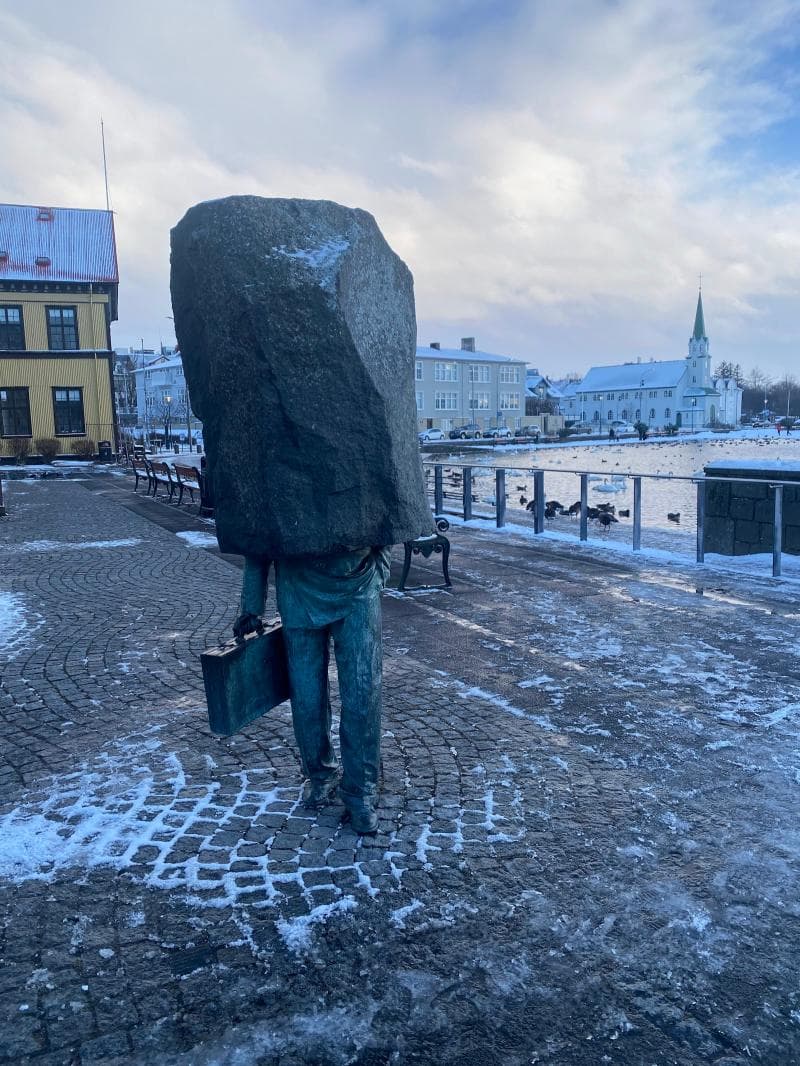
Discover Tjörnin's photography spots in Reykjavik, Iceland. Capture stunning reflections, diverse birdlife, and historic landmarks in this urban oasis.
Overview
Nestled in the vibrant heart of Reykjavik, Iceland, Tjörnin, affectionately known as 'The Pond,' is a cherished urban oasis that serves as a captivating photography spot. More than just a body of water, it is a serene stage where city life, history, and nature converge, offering an endless array of visual narratives. With its shallow, often mirror-like surface, Tjörnin beautifully reflects the surrounding colorful buildings, historic landmarks, and the dramatic Icelandic sky, making it an irresistible subject for any photographer. Whether bathed in the soft glow of the midnight sun or frosted under winter's embrace, the pond presents unique perspectives throughout the year, drawing locals for leisurely strolls and visitors eager to capture its tranquil beauty.
History & Cultural Background
Tjörnin's history stretches back over a thousand years, predating the arrival of Norse settlers around 874 AD. Originally formed around 800 AD, it began as a lagoon when a gravel barrier separated part of the coastline from the sea, making it an ancient feature of Iceland's landscape. Its formal historical name, 'Reykjavíkurtjörn,' directly translates to 'the pond of Reykjavik,' reflecting its long-standing connection to the city. For centuries, Tjörnin played a functional role in the lives of Reykjavik's inhabitants. During the 19th and early 20th centuries, it was a vital resource, used for washing clothes and as a source of fresh water. Prior to the widespread use of refrigeration, its frozen surface in winter was even used for harvesting ice, which was stored in nearby warehouses to keep fishermen's catches fresh. Over time, as Reykjavik developed, the pond transitioned from a utilitarian feature to a central leisure space. City planners in the early 20th century, particularly after 1913, installed locks to control the water flow, eventually transforming it into the freshwater body we see today. A pedestrian bridge, initially erected in 1920 and later reinforced for vehicles during World War II, further integrated the pond into the city's fabric.
What Makes It Special
For photographers, Tjörnin offers a dynamic canvas. Its shallow depth, averaging around 1.9 feet, allows for stunning reflections of the iconic city hall, the charming Fríkirkjan church, and the colorful houses that line its shores. The ever-changing Icelandic light provides endless opportunities, from the soft hues of dawn to the vibrant sunsets and, occasionally, the magical glow of the Northern Lights dancing above. The pond is renowned for its abundant birdlife, hosting between 40 and 50 species of water birds, including swans, ducks, geese, and Arctic terns. These avian residents, particularly active in spring and summer, add life and movement to any composition. In winter, Tjörnin transforms into a natural ice rink, attracting skaters and offering a unique frosted landscape, while a geothermally heated section ensures birds still have open water. The surrounding Hljómskálagarður Park, adorned with sculptures and public artworks, further enriches the visual appeal, providing foreground interest and compositional depth.
Stories, Fun Facts & Local Details
One of Tjörnin's most endearing nicknames, bestowed by locals, is 'The Biggest Bread Soup in the World' ('stærsta brauðsúpa í heimi'). This playful moniker emerged from the long-standing tradition of residents feeding large amounts of bread to the ducks and swans. While this practice remains a cherished memory for many older Icelanders, visitors are now encouraged to feed birds with healthier alternatives like oats or frozen peas, especially since bread can attract gulls that prey on ducklings in summer. The pond also holds a place in Icelandic popular culture, appearing as a recurring backdrop in local literature and cinema, such as the Netflix series 'Black Mirror' episode 'Crocodile,' which was partly filmed in Reykjavik. It has been a site for community gatherings, including festivals in Hljómskálagarður Park and solemn ceremonies like a night of remembrance for the bombing of Hiroshima.
Visitor Perspective
A visit to Tjörnin is an essential part of the Reykjavik experience. It offers a tranquil escape from the urban bustle, inviting travelers to slow down and immerse themselves in the city's natural charm. The paved walkways around the pond are easily accessible, making it perfect for a leisurely stroll, a morning jog, or a peaceful moment of reflection. Many visitors find themselves pausing to observe the diverse birdlife or simply enjoying the picturesque views. The proximity to significant landmarks like Reykjavik City Hall, the National Gallery of Iceland, and the Parliament building means that photography opportunities are abundant from every angle. Whether you're seeking to capture architectural reflections, wildlife close-ups, or simply the serene atmosphere, Tjörnin provides a rich and rewarding photographic journey, making it a beloved highlight of any trip to Reykjavik.
Coordinates: -21.9425, 64.14444
View on Google Maps💬 How Travelers Describe This Place
Based on community votes
Photogenic
961Beautiful
624Must See
609Unique
535Interesting
499
Traveler Stories
Discover memorable experiences shared by travelers who have visited this place.
No traveler stories yet.
Be the first traveler to share what made this place memorable.

Tour
By
Spot
Discover amazing places around the world. Your journey starts here.
Explore
© 2026 TourBySpot. All rights reserved.