Walking Paths
Reykjavik, Iceland
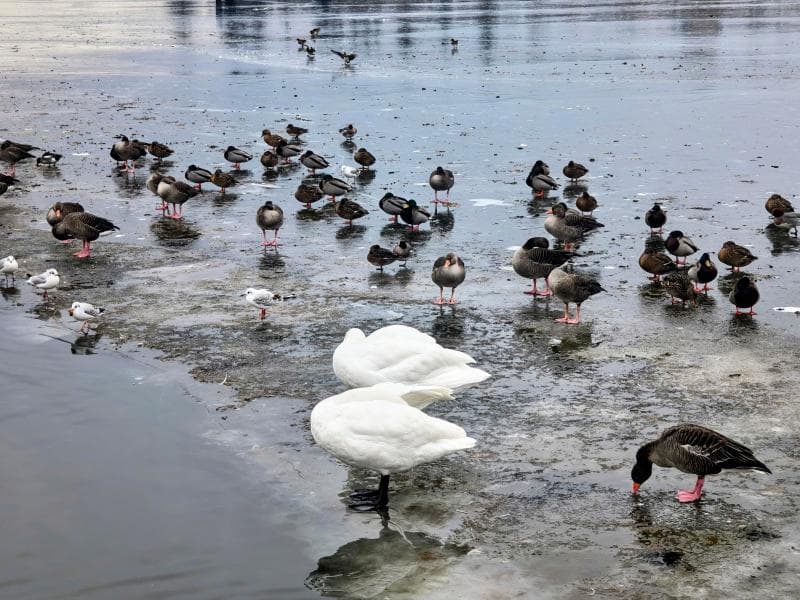
Explore the peaceful walking paths of Tjörnin in Reykjavik, Iceland. Discover rich history, abundant birdlife, and stunning city views.
Overview
Tjörnin, affectionately known as 'The Pond' by locals, is a tranquil urban oasis nestled in the heart of Reykjavik, Iceland. This prominent body of water, more akin to a shallow lake despite its common moniker, serves as a natural focal point for the city. It is surrounded by well-maintained walking paths that invite both residents and visitors to enjoy leisurely strolls, brisk jogs, or quiet moments of contemplation. The paths offer picturesque views of the water, the surrounding cityscape, and the distant mountains, creating a serene escape from urban bustle.
Known for its vibrant birdlife, Tjörnin is a year-round haven for various species, including swans, ducks, and geese, which are a constant presence on its waters. In winter, the pond often transforms into a natural ice-skating rink, drawing families and friends to enjoy a unique seasonal activity. The walking paths are part of Reykjavik's daily rhythm, easily accessible and seamlessly integrated with the city's main attractions.
History & Cultural Background
The origins of Tjörnin trace back to approximately 800 AD, predating the arrival of Norse settlers in Iceland. It began as a tidal bay or lagoon, a much larger body of water that has gradually been shaped by both natural processes and urban development. Historically, in the 19th and early 20th centuries, Tjörnin played a practical role in the lives of Reykjavik's inhabitants, serving as a source of water and a place for washing clothes.
As Reykjavik grew, Tjörnin evolved from a utility into a cherished recreational space, becoming central to the city's urban planning and cultural identity. The walking paths themselves were an early 20th-century civic design project, part of Reykjavik's first urban beautification efforts, aiming to harmoniously blend architecture, ecology, and daily life. Since 1919, the birds inhabiting Tjörnin have been protected, underscoring the community's long-standing appreciation for its natural inhabitants.
What Makes It Special
What truly sets the walking paths of Tjörnin apart is their ability to offer a diverse and ever-changing experience. The roughly 1.4-kilometer (0.9-mile) loop provides a flat, accessible route suitable for all, from casual walkers to joggers, and is friendly for strollers and wheelchairs. As you circuit the pond, you are treated to a living tableau of Reykjavik's essence: modern glass architecture of the City Hall seemingly floating on the water's edge, charming colorful houses reflecting on the surface, and the historic Fríkirkjan church providing a postcard-perfect view.
The extraordinary birdlife is another defining feature, with over 40 species making Tjörnin their home throughout the year. It serves as an important stopover for migratory birds, making birdwatching a popular pastime in every season. During winter, a fascinating aspect is how a subtle geothermal piping system beneath certain sections helps keep the walking paths clear of ice and snow, ensuring year-round accessibility, while parts of the pond are kept from freezing to provide open water for the birds.
Stories, Fun Facts & Local Details
Tjörnin carries a delightful local nickname: 'stærsta brauðsúpa í heimi,' meaning 'the biggest bread soup in the world.' This playful moniker originated from the long-standing tradition of locals feeding bread to the abundant ducks and swans. While this practice was once a beloved ritual, the city now advises against it, particularly in summer, as bread can attract gulls that pose a threat to ducklings.
The area around Tjörnin is rich with cultural nuances. The Reykjavik City Hall, a striking postmodern building, appears to rise directly from the lake, blurring the lines between nature and urban design. Visitors might also discover various sculptures and public artworks dotted along the paths, adding to the cultural tapestry of the setting. For a glimpse into Iceland's ancient past, nearby at the Settlement Exhibition, one can even find walrus bones, a relic hinting at the wildlife that once roamed this land before human settlement.
Visitor Perspective
The walking paths around Tjörnin are a must-do for any curious traveler to Reykjavik. Its central location makes it incredibly easy to incorporate into any city exploration, being just a short walk from major attractions such as the National Gallery of Iceland, the Parliament building, and the bustling shopping street Laugavegur. Most visitors find that a leisurely circuit takes about 20 to 30 minutes, though many choose to linger longer, captivated by the reflections on the water or the antics of the waterfowl.
Whether it's the crisp air of a winter morning, the vibrant activity of a summer afternoon, or the possibility of catching the Northern Lights dance above its surface in colder months, the paths around Tjörnin offer a uniquely Icelandic experience. It is a place where you can witness the daily life of Reykjavikers, enjoy a moment of peace, and connect with nature, all within the vibrant heart of the capital.
Coordinates: -21.9425, 64.1444
View on Google Maps💬 How Travelers Describe This Place
Based on community votes
Interesting
696Photogenic
466Must See
225Unique
200Beautiful
159
Traveler Stories
Discover memorable experiences shared by travelers who have visited this place.
No traveler stories yet.
Be the first traveler to share what made this place memorable.

Tour
By
Spot
Discover amazing places around the world. Your journey starts here.
Explore
© 2026 TourBySpot. All rights reserved.