Nearby Parks
Reykjavik, Iceland
Discover Hljómskálagarðurinn, a historic park bordering Tjörnin in Reykjavik, Iceland, offering art, nature, and cultural insights.
Overview
Nestled beside the tranquil waters of Tjörnin, the beloved urban pond in Reykjavik, Iceland, lies Hljómskálagarðurinn, a cherished public park. This green oasis, one of the city's oldest and largest, offers a refreshing escape right in the heart of the capital. It serves as a natural extension of Tjörnin's serene beauty, providing visitors with lush lawns, mature trees, and winding paved paths perfect for a leisurely stroll or a moment of quiet reflection. Hljómskálagarðurinn is not merely a park; it is a vibrant tapestry of nature, culture, and history, deeply woven into the fabric of Reykjavik's daily life.
History & Cultural Background
The origins of Hljómskálagarðurinn trace back to the early 20th century, with its design conceived in 1908 and the first trees planted in 1914. This park was largely created on landfill, transforming a former marshy area at Tjörnin's southern end into the verdant space we see today. Its name, Hljómskálagarðurinn, translates to 'Music Pavilion Park,' a tribute to the iconic Hljómskálinn, an octagonal bandstand pavilion built in 1923. This distinctive white structure was Iceland's first building explicitly designed as a music venue, serving as the long-standing home for the Reykjavik Brass Band and even hosting Iceland's first music school. Over decades, Hljómskálagarðurinn has evolved, yet its core purpose as a green sanctuary for relaxation and community gatherings has remained constant, reflecting Reykjavik's thoughtful urban planning and its residents' enduring appreciation for nature and culture.
What Makes It Special
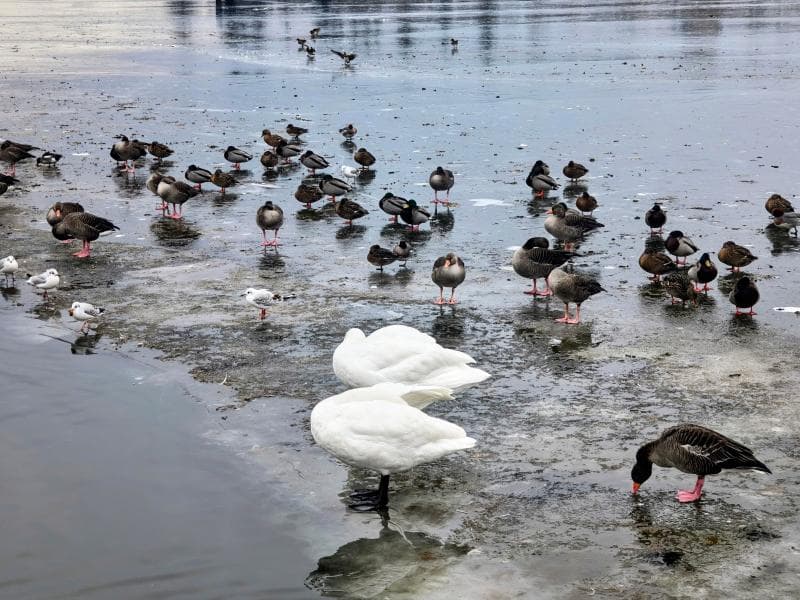
What truly sets Hljómskálagarðurinn apart is its harmonious blend of natural splendor and artistic expression. The park offers picturesque views of Tjörnin, often framed by the majestic Mount Esja in the distance, providing a fairytale-like backdrop to the urban landscape. It's a haven for birdwatchers, with Tjörnin's shallow waters attracting over 40 different bird species year-round, making the park an ideal spot to observe diverse birdlife. Beyond its natural charm, Hljómskálagarðurinn doubles as an open-air sculpture garden. It features a rich collection of artworks, including pieces by some of Iceland's most talented artists, both historical and contemporary. This outdoor gallery, combined with the park's lush greenery, creates a unique cultural experience that invigorates the senses and sparks curiosity.
Stories, Fun Facts & Local Details
The park is rich with stories and delightful details. In 2011, Hljómskálagarðurinn received a special gift: 50 cherry trees, a symbol of friendship from Japanese-Icelandic societies, which add a beautiful splash of color when they bloom in spring. Art enthusiasts will discover numerous thought-provoking sculptures scattered throughout the park. Among them are 'The Spell Broken' by Einar Jónsson, a significant work by one of Iceland's most renowned sculptors, and a poignant seated statue of Reykjavik poet Tómas Guðmundsson, gazing out over Tjörnin. A particularly inspiring section is dedicated to works by pioneering female Icelandic artists, featuring pieces like Gunnfríður Jónsdóttir's 'The Settleress' and Nína Sæmundsson's evocative 'The Mermaid,' adding layers of meaning and history to the landscape. The Hljómskálinn pavilion itself, with its unique octagonal shape, has not only hosted brass bands for generations but occasionally serves as a venue for exhibitions, bridging past and present cultural expressions. Tjörnin, affectionately known by locals as 'The Pond' due to its shallow depth, even earned the playful nickname 'the biggest bread soup in the world' because of the popular tradition of feeding ducks.
Visitor Perspective
For the curious traveler, Hljómskálagarðurinn offers a tranquil yet engaging experience. It's a perfect spot to pause and breathe amidst your exploration of Reykjavik's bustling city center. Whether you're seeking a peaceful walk along the pond's edge, a scenic jog, or a family picnic by the playground, the park provides an inviting atmosphere. It connects seamlessly with nearby cultural landmarks like the National Museum of Iceland and Reykjavik City Hall, making it an ideal link in a city walking tour. In winter, Tjörnin often freezes over, transforming into a natural ice rink, while the park remains a picturesque place for a brisk stroll through a snowy wonderland. Hljómskálagarðurinn is more than just a park; it's a living museum and a beloved public space where nature, art, and the heart of Reykjavik truly converge, inviting you to slow down and savor the unique Icelandic spirit.
Coordinates: -21.94175, 64.14149
View on Google Maps💬 How Travelers Describe This Place
Based on community votes
Photogenic
926Beautiful
702Interesting
404Must See
295Unique
246
Traveler Stories
Discover memorable experiences shared by travelers who have visited this place.
No traveler stories yet.
Be the first traveler to share what made this place memorable.

Tour
By
Spot
Discover amazing places around the world. Your journey starts here.
Explore
© 2026 TourBySpot. All rights reserved.