Tiergarten
Berlin, Germany
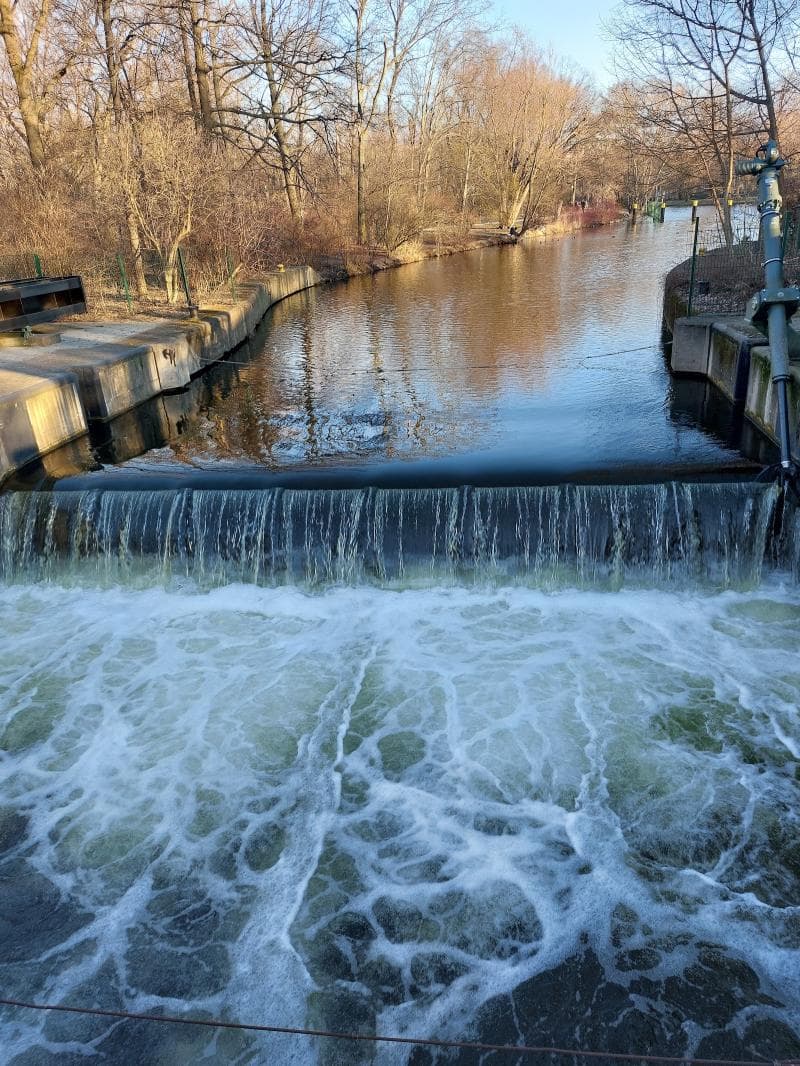
Discover Tiergarten, Berlin's historic urban park in Germany. Explore its royal past, iconic Victory Column, poignant memorials, and serene green spaces.
Overview
Nestled in the heart of Berlin, Germany, Tiergarten stands as the city's verdant 'green lung,' a sprawling urban park that seamlessly blends natural beauty with centuries of history. Covering approximately 210 hectares (about 519 acres), it is one of the largest inner-city parks in the world, often drawing comparisons to New York's Central Park or London's Hyde Park. More than just a park, Tiergarten is a cherished space for relaxation, recreation, and reflection, offering an escape from the urban bustle with its winding tree-lined paths, serene meadows, and tranquil ponds.
History & Cultural Background
The origins of Tiergarten trace back to 1527, when it was established as a private hunting ground for the Elector of Brandenburg, situated just west of the old city walls of Cölln, Berlin's sister town. The name 'Tiergarten' literally translates to 'animal garden' or 'deer park,' reflecting its initial purpose where wild animals were kept for royal hunts. Over time, as Berlin expanded, the need for a hunting ground diminished. In the late 17th century, under Frederick III, the area began its transformation, and in the mid-1700s, Frederick the Great ordered the park to be redesigned as a pleasure garden and opened to the public. This pivotal moment marked its transition from a royal preserve to a public green space.
The park's enduring landscape was largely shaped between 1833 and 1840 by Peter Joseph Lenné, Prussia's leading landscape gardener, who reimagined Tiergarten in the popular English-style garden tradition. This redesign introduced the naturalistic aesthetic of wide lawns, watercourses, and winding paths that largely define the park today. However, Tiergarten faced immense devastation during World War II, with large sections severely damaged by bombing. In the immediate aftermath, with an acute shortage of fuel, Berliners tragically cut down nearly all the remaining trees for firewood. The park's remarkable resilience is evidenced by its extensive replanting and restoration efforts from 1949 to 1959, receiving donations of young trees from across Germany. During the Cold War, when West Berlin was separated from the surrounding countryside by the Berlin Wall, Tiergarten became an irreplaceable local recreation area for its citizens, symbolizing a vital connection to nature within an isolated city.
What Makes It Special
Tiergarten's unique appeal lies in its harmonious blend of expansive natural landscapes and significant historical landmarks. It is a place where joggers run past centuries-old statues, and families picnic near poignant memorials. The park is bisected by the wide Straße des 17. Juni, leading to the iconic Victory Column (Siegessäule). Crowned with a golden statue of Victoria, affectionately known as 'Golden Elsie' by Berliners, this monument offers breathtaking panoramic views of the city from its observation deck. Other prominent sights include the Soviet War Memorial, built shortly after WWII from marble taken from Hitler's Chancellery, and the Bellevue Palace, the official Berlin residence of the German President. The park also hosts the avant-garde Haus der Kulturen der Welt (House of World Cultures) and several powerful memorials dedicated to the victims of Nazi persecution, such as those honoring the Sinti and Roma and persecuted homosexuals. At its southwestern edge, the renowned Berlin Zoological Garden, Germany's oldest zoo, further enriches the area's offerings.
Stories, Fun Facts & Local Details
The name 'Tiergarten' is a direct nod to its past as a royal hunting ground, a vivid reminder of its transformation from wild game preserve to public park.
The Soviet War Memorial, featuring two T-34 tanks, stands as a stark reminder of the Battle of Berlin, with its construction materials bearing historical weight from Hitler's former headquarters.
Within the park, near the Tiergarten S-Bahn station, an open-air gas lantern museum showcases nearly a hundred historical gas lanterns from Berlin and other cities, illuminating the paths with a soft, nostalgic glow at dusk.
On summer Sundays, visitors might hear the resonant chimes of the carillon, a towering musical instrument with 68 bells, located near the Haus der Kulturen der Welt.
The park is home to the popular Café am Neuen See, a charming lakeside beer garden and café where visitors can enjoy refreshments and even try ice skating on the frozen lake during colder winters.
During the difficult post-war years, the collective effort to replant Tiergarten transformed a scarred landscape into a symbol of hope and recovery for Berliners.
Visitor Perspective
For any traveler exploring Berlin, Tiergarten offers a refreshing change of pace and a deeper connection to the city's spirit. It's an inviting space for leisurely strolls, invigorating jogs, or peaceful bike rides along its extensive network of pathways. Many visitors enjoy spreading out on its green lawns for picnics or simply unwinding under the shade of its mature trees. In winter, if conditions allow, the small lakes sometimes freeze over, offering opportunities for ice skating, adding a magical touch to the experience. Its central location, adjacent to major landmarks like the Brandenburg Gate and Potsdamer Platz, makes it incredibly accessible by public transport, making it an easy addition to any Berlin itinerary. There is no entrance fee to the park itself, making it a wonderful free activity, though some attractions like climbing the Victory Column have a modest cost. Tiergarten truly encapsulates Berlin's ability to heal and thrive, offering both historical depth and a vibrant contemporary life within its leafy confines.
Coordinates: 13.3667, 52.5167
View on Google Maps💬 How Travelers Describe This Place
Based on community votes
Beautiful
696Unique
466Photogenic
410Must See
200Interesting
136
Traveler Stories
Discover memorable experiences shared by travelers who have visited this place.
No traveler stories yet.
Be the first traveler to share what made this place memorable.
Things to see at Tiergarten



Tour
By
Spot
Discover amazing places around the world. Your journey starts here.
Explore
© 2026 TourBySpot. All rights reserved.