Lakes & Paths
Berlin, Germany
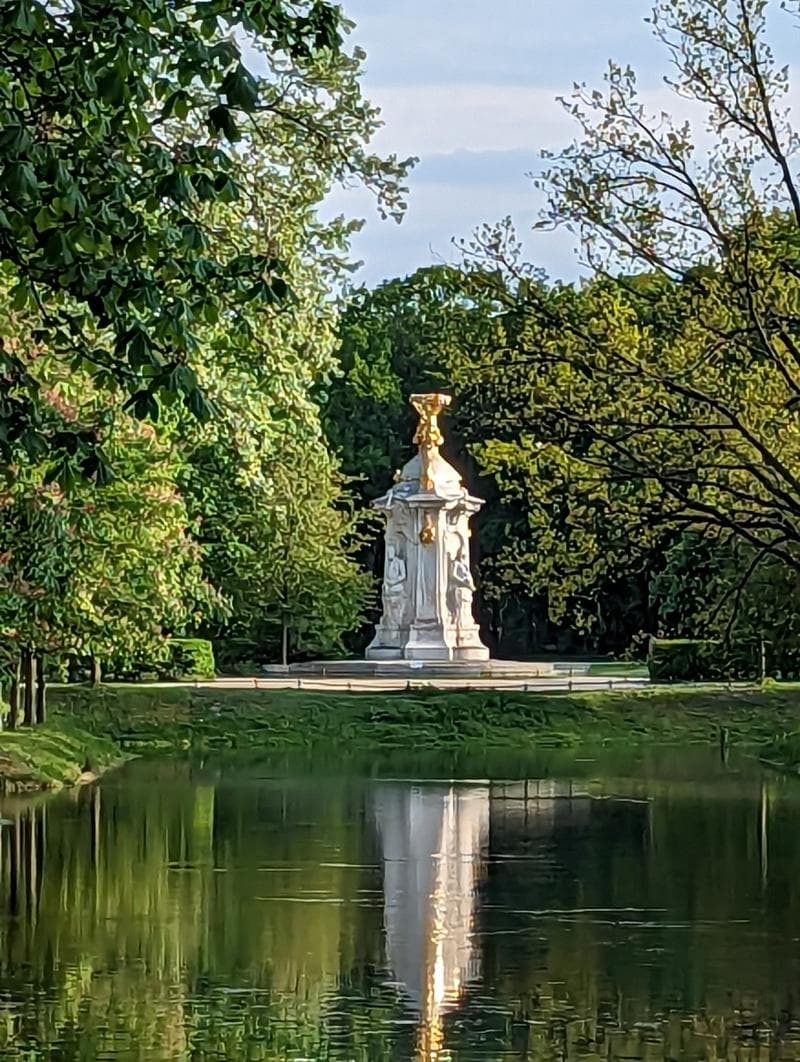
Explore Tiergarten's serene Lakes & Paths in Berlin, Germany. Discover tranquil nature, rich history, and picturesque waterways in this urban oasis.
Overview
Deep in the heart of Berlin, Germany, lies Tiergarten, a sprawling urban oasis often referred to as the city's green lung. Within this magnificent park, the collective charm of its various lakes and a vast network of paths creates a unique sub-spot, offering a tranquil escape from urban life. Covering approximately 210 hectares (520 acres), Tiergarten is among Germany's largest urban parks, inviting visitors to immerse themselves in nature's embrace.
This serene landscape is characterized by expansive lawns, dense clusters of trees, and meandering watercourses, punctuated by picturesque lakes and small islands. The pathways, totaling over 23 kilometers, crisscross the park, providing endless opportunities for leisurely strolls, invigorating jogs, or peaceful bike rides. Whether seeking a quiet moment by the water, a spot for a picnic, or a scenic route for exercise, the lakes and paths of Tiergarten cater to a diverse range of experiences.
History & Cultural Background
The story of Tiergarten begins in the 16th century as a private royal hunting ground for the Electors of Brandenburg. It was a fenced-off area where deer, pheasants, and wild boar roamed, inaccessible to the general public. Over time, as Berlin expanded, the hunting grounds gradually transformed. A significant turning point came in the early 19th century when the renowned landscape architect Peter Joseph Lenné was commissioned to redesign the area. Between 1833 and 1840, Lenné meticulously transformed the former royal grounds into a magnificent public park, adopting the style of an English landscape garden. He introduced winding paths, drained damp woodlands, laid out wide lawns, and incorporated water features and bridges, shaping much of the park's appearance that we see today.
This transformation made Tiergarten a crucial part of Berliner's lives, offering a much-needed green space for recreation and relaxation. The park, however, endured immense hardship during World War II, suffering significant damage. Many trees were cut down for firewood in the harsh post-war winters, and its waterways were severely affected. Following the war, extensive efforts were undertaken to restore Tiergarten to its former glory, rebuilding paths and replanting vast numbers of trees and shrubs, bringing it back to life as a cherished public space.
What Makes It Special
The 'Lakes & Paths' of Tiergarten stand out for their harmonious blend of historical design and natural beauty. Peter Joseph Lenné's visionary redesign created a fluid landscape of interconnected waterways and pathways that invite exploration. The park's central location, nestled between iconic landmarks, makes it an easily accessible sanctuary. Its vastness ensures that despite its popularity, one can always find a secluded corner for quiet contemplation or a wide-open space for active pursuits.
A notable feature is the Neuer See (New Lake), a picturesque body of water that was part of Lenné's 19th-century redesign. It offers a charming lakeside experience, complete with a popular beer garden and opportunities for rowboat rentals, making it a vibrant focal point during warmer months. Beyond the major arteries like Straße des 17. Juni, the smaller, winding paths encourage discovery, leading visitors past hidden memorials, charming bridges like the Löwenbrücke, and unexpected pockets of flora and fauna. The park's commitment to maintaining this diverse ecosystem makes it an environmental haven within the bustling metropolis.
Stories, Fun Facts & Local Details
The name 'Tiergarten' literally translates to 'animal garden,' a direct nod to its origins as a royal hunting reserve. While large game is no longer hunted here, the park remains home to a variety of wildlife, including numerous bird species, squirrels, and even some small mammals, creating a dynamic natural environment. It's reported to host over 1,400 different species, some of which are endangered.
Interestingly, during the post-WWII period, Berliners facing severe shortages transformed parts of the park into temporary vegetable gardens, a testament to its enduring role in supporting the city's inhabitants through challenging times. Today, the Tiergarten continues to play a vital ecological role, acting as Berlin's 'green lung,' regulating the inner city's temperature and providing essential fresh air. On summer Sundays, the melodies from the Carillon, a 42-meter-high tower with 68 bells located near the House of the Cultures of the World, add a unique auditory charm to the park's atmosphere.
Visitor Perspective
For any traveler exploring Berlin, dedicating time to the lakes and paths of Tiergarten is a deeply rewarding experience. It offers a refreshing contrast to the historical monuments and urban energy of the city. Wear comfortable shoes, as the sheer scale of the park encourages extensive walking and exploration. Early mornings and weekdays often provide a quieter ambiance, perfect for reflective moments amidst nature, while sunny weekends see a lively buzz as locals gather for picnics, sports, and lakeside relaxation.
The interconnected paths make it easy to transition from dense woodlands to open meadows, leading to peaceful moments by the water's edge at Neuer See, where you might rent a rowboat or enjoy a drink at the café. The accessibility of the park from various points, including the Brandenburg Gate and the Zoo, makes it a convenient stop for a break from sightseeing. Whether you seek solitude, an active outdoor adventure, or simply a breath of fresh air, the lakes and paths of Tiergarten provide an authentic glimpse into Berlin's natural heart and its enduring appeal as a cherished urban sanctuary.
Coordinates: 13.358333333333, 52.513333333333
View on Google Maps💬 How Travelers Describe This Place
Based on community votes
Interesting
672Must See
379Photogenic
356Unique
225Beautiful
19
Traveler Stories
Discover memorable experiences shared by travelers who have visited this place.
No traveler stories yet.
Be the first traveler to share what made this place memorable.

Tour
By
Spot
Discover amazing places around the world. Your journey starts here.
Explore
© 2026 TourBySpot. All rights reserved.