Thyssen-Bornemisza Museum
Madrid, Spain
Explore the Thyssen-Bornemisza Museum in Madrid, Spain. Discover a unique collection spanning seven centuries of Western art.
Overview
Nestled in the vibrant heart of Madrid, Spain, the Thyssen-Bornemisza Museum stands as a pivotal component of the city's renowned 'Golden Triangle of Art'. This esteemed trio also includes the Prado Museum and the Reina Sofía National Gallery, making Madrid an unparalleled destination for art enthusiasts. The Thyssen-Bornemisza offers a unique and comprehensive journey through the history of Western art, skillfully bridging the gaps found in the collections of its famous neighbors. While the Prado focuses on classical masters and the Reina Sofía on modern and contemporary works, the Thyssen provides a continuous chronological narrative, spanning from the 13th century through to the late 20th century.
Its collection, originally one of the world's largest private art assemblages, offers visitors a rare opportunity to witness masterpieces from various schools and periods that are often underrepresented in other Spanish institutions.
History & Cultural Background
The museum's extraordinary collection began with the passion of Heinrich, Baron Thyssen-Bornemisza de Kászon, who started acquiring art in the 1920s with a particular interest in Old Masters. His son, Hans Heinrich Thyssen-Bornemisza, later inherited and significantly expanded the collection, meticulously buying back works from his relatives and adding new pieces, extending the scope to include art up to the 1980s. Initially housed in the family's Villa Favorita in Lugano, Switzerland, the collection eventually outgrew its space.
A competitive search for a new home led the collection to Madrid. In a pivotal moment for Spanish culture, the Thyssen-Bornemisza Museum officially opened its doors in the historic Villahermosa Palace in October 1992. Just months later, in 1993, the Spanish government purchased the core of the collection, ensuring its place as a national treasure. This acquisition was largely influenced by Baron Hans Heinrich's fifth wife, Carmen Cervera, who played a decisive role in bringing the art to Spain.
What Makes It Special
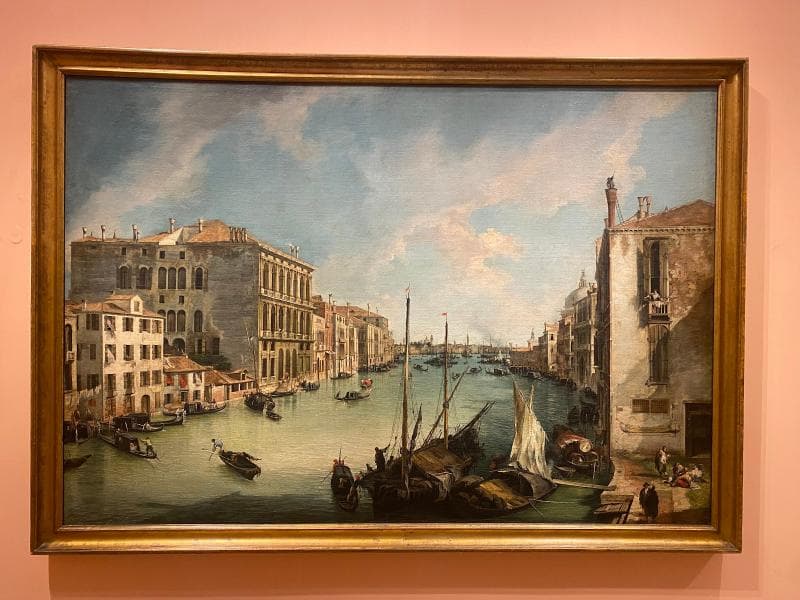
What truly distinguishes the Thyssen-Bornemisza Museum is its encyclopedic breadth, showcasing milestones from diverse Western art movements. It features Italian primitives, works from the English, Dutch, and German schools, 19th-century American art, Impressionism, German Expressionism, and Russian Constructivism – many of which fill historical gaps in Madrid's other major galleries. This allows for a comprehensive, chronological journey through art history, making it exceptionally accessible for both seasoned art lovers and curious first-time visitors.
The collection spans seven centuries, presenting around 700 to 800 works, primarily paintings, by masters such as Van Eyck, Dürer, Caravaggio, Rubens, Monet, Van Gogh, Picasso, Dalí, and Hopper. Beyond paintings, the museum also holds collections of sculpture, decorative arts, drawings, and prints, offering a rich tapestry of artistic expression.
Stories, Fun Facts & Local Details
The Thyssen-Bornemisza collection is a testament to one family's unwavering dedication to art. The tradition of collecting within the family actually began with August Thyssen, Heinrich's grandfather, who commissioned sculptures from Auguste Rodin in the early 20th century. These Rodin pieces, now part of the Carmen Thyssen Collection, still greet visitors in the museum's entrance hall.
The museum's setting in the elegant Villahermosa Palace, located on the historic Paseo del Prado, adds to its charm. This 'Art Walk' itself was declared a UNESCO World Heritage Site in 2021, celebrating its unique blend of nature, culture, and science. Visitors can see iconic works like Ghirlandaio's 'Portrait of Giovanna Tornabuoni' and Vittore Carpaccio's 'Young Knight in a Landscape', alongside Caravaggio's 'Saint Catherine'. The museum's ability to juxtapose such varied masterpieces, from a Hans Holbein portrait of Henry VIII to a Picasso harlequin, creates a fascinating dialogue across centuries and styles.
Visitor Perspective
For many travelers, the Thyssen-Bornemisza offers a more intimate and less overwhelming experience compared to some of the world's larger museums, often described as a 'connoisseur's museum'. Most visitors find that 1.5 to 3 hours are sufficient to explore the permanent collection in depth. Its accessible narrative structure makes it an ideal starting point for those looking to understand the evolution of Western art.
Located conveniently on the Paseo del Prado, it's easy to combine a visit with the Prado and Reina Sofía museums. Many choose to purchase the 'Paseo del Arte Pass' for seamless access to all three. The museum offers various guided tours and experiences, providing deeper insights into the artworks and their historical context. Free admission is often available during specific hours, such as Monday afternoons and Saturday evenings, making it accessible to all.
Coordinates: -3.6949254, 40.4162325
View on Google Maps💬 How Travelers Describe This Place
Based on community votes
Must See
995Unique
839Beautiful
388Interesting
289Photogenic
141
Traveler Stories
Discover memorable experiences shared by travelers who have visited this place.
No traveler stories yet.
Be the first traveler to share what made this place memorable.
Things to see at Thyssen-Bornemisza Museum



Tour
By
Spot
Discover amazing places around the world. Your journey starts here.
Explore
© 2026 TourBySpot. All rights reserved.