Impressionist Galleries
Madrid, Spain
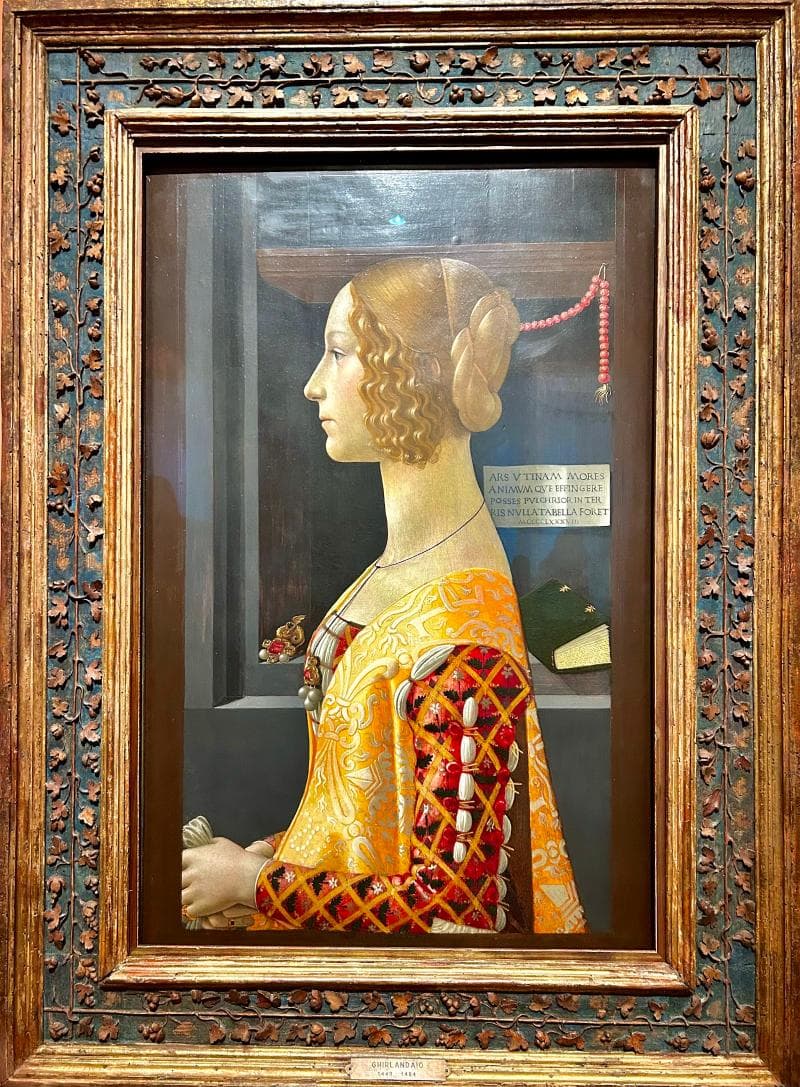
Explore the vibrant Impressionist Galleries at the Thyssen-Bornemisza Museum in Madrid, Spain, featuring masterpieces by Monet, Degas, Van Gogh, and more.
Overview
Nestled within the architectural grandeur of the Thyssen-Bornemisza Museum in Madrid, Spain, the Impressionist Galleries offer a vibrant journey into one of art history's most beloved movements. This sub-spot forms a crucial part of Madrid's renowned 'Golden Triangle of Art', alongside the Prado Museum and the Reina Sofía, distinguishing itself by bridging historical gaps in their collections. While the Prado excels in Old Masters and the Reina Sofía focuses on modern and contemporary Spanish art, the Thyssen-Bornemisza provides an encyclopedic sweep of Western painting from the 13th to the late 20th century, with its Impressionist collection standing out as particularly strong and comprehensive.
Housed in the elegant Villahermosa Palace on the Paseo del Prado, these galleries invite visitors to immerse themselves in the revolutionary brushstrokes and captivating light of artists who dared to capture fleeting moments. It's a space where the ephemeral beauty of Impressionism, characterized by its luminous palettes and innovative techniques, truly comes alive, offering a unique perspective on this pivotal artistic era. The collection is celebrated as one of the finest Impressionist holdings in Spain.
History & Cultural Background
The Thyssen-Bornemisza collection began as a private family passion in the 1920s, initiated by Heinrich, Baron Thyssen-Bornemisza de Kászon. He aimed to assemble a collection as broad as a national museum's, focusing initially on Old Masters. His son, Hans Heinrich Thyssen-Bornemisza, dramatically expanded the collection from the 1960s onwards, acquiring a vast array of modern art that included a significant number of Impressionist and Post-Impressionist works.
This private collection, once the second largest in the world, eventually found its permanent home in Madrid. In 1993, the Spanish government purchased the core of the collection, securing its legacy for the nation. Further enhancing its Impressionist strength, Carmen Thyssen-Bornemisza, Hans Heinrich's widow, loaned her own extensive collection to the museum, reinforcing the works from this period. The inclusion of Impressionism was particularly significant for Madrid's art scene, as these movements were largely unrepresented in Spain's state-owned collections at the time. The Thyssen-Bornemisza thus filled a critical cultural void, allowing Spaniards and international visitors alike to experience the full spectrum of Western art history.
What Makes It Special
What truly sets the Impressionist Galleries at the Thyssen-Bornemisza apart is the remarkable quality and breadth of its holdings. Here, you'll encounter masterpieces by virtually every major figure of Impressionism and Post-Impressionism. Imagine standing before the vibrant canvases of Claude Monet, feeling the light shimmer in a landscape, or observing the delicate forms captured by Edgar Degas in his portrayals of dancers.
The collection boasts works by luminaries such as Auguste Renoir, Camille Pissarro, Alfred Sisley, and Berthe Morisot, allowing for a deep dive into the diverse interpretations of light, color, and modern life that defined the movement. Beyond Impressionism, the galleries extend into Post-Impressionism, showcasing influential pieces by artists like Vincent van Gogh, Paul Gauguin, and Paul Cézanne, who pushed the boundaries of painting even further. The museum's chronological arrangement means that these galleries provide a logical progression from the Old Masters to the avant-garde, making the evolution of artistic thought wonderfully clear to the visitor.
Stories, Fun Facts & Local Details
The Thyssen-Bornemisza Museum itself is a testament to one family's profound love for art and their desire to make it accessible to the public. The journey of the collection from a private Swiss villa to a national Spanish treasure is a fascinating story of cultural diplomacy and dedication. It's often remarked that the Thyssen offers a 'complete arc' of European and American art in a way that its larger neighbors cannot, simply because the family deliberately acquired works to fill these historical gaps. This means you can truly trace the journey of art movements, including the rise of Impressionism, within a single, manageable visit.
For those interested in the movement's local connections, Madrid has hosted significant Impressionist exhibitions, sometimes centered around particular artists like Pissarro, who illuminated the Thyssen with their works. The museum's first floor is dedicated to Impressionism and early modern art, guiding visitors through this bright and revolutionary period. It's a place where you can almost feel the fresh air and see the dappled sunlight that inspired these artists, a stark contrast to the academic styles that preceded them.
Visitor Perspective
Visiting the Impressionist Galleries at the Thyssen-Bornemisza Museum is an intimate and enriching experience. Unlike some sprawling museums, the Thyssen's collection is often praised for its manageable scale, allowing visitors to thoroughly explore the galleries in about two to three hours without feeling overwhelmed. This makes it an ideal complement to a visit to Madrid's other major museums or a perfect standalone destination for those with a specific interest in Impressionism.
The museum's thoughtful curation and often chronological display mean that even a novice art lover can appreciate the subtle shifts and bold innovations that define Impressionism. The galleries are designed to invite contemplation, allowing you to linger before your favorite Monet landscape or study a Degas ballet scene. Its central location on the beautiful Paseo del Prado makes it easily accessible, adding to the relaxed and enjoyable visitor experience.
Coordinates: -3.694925, 40.416041
View on Google Maps💬 How Travelers Describe This Place
Based on community votes
Unique
995Photogenic
839Beautiful
603Must See
581Interesting
388
Traveler Stories
Discover memorable experiences shared by travelers who have visited this place.
No traveler stories yet.
Be the first traveler to share what made this place memorable.

Tour
By
Spot
Discover amazing places around the world. Your journey starts here.
Explore
© 2026 TourBySpot. All rights reserved.