Family Collection
Madrid, Spain
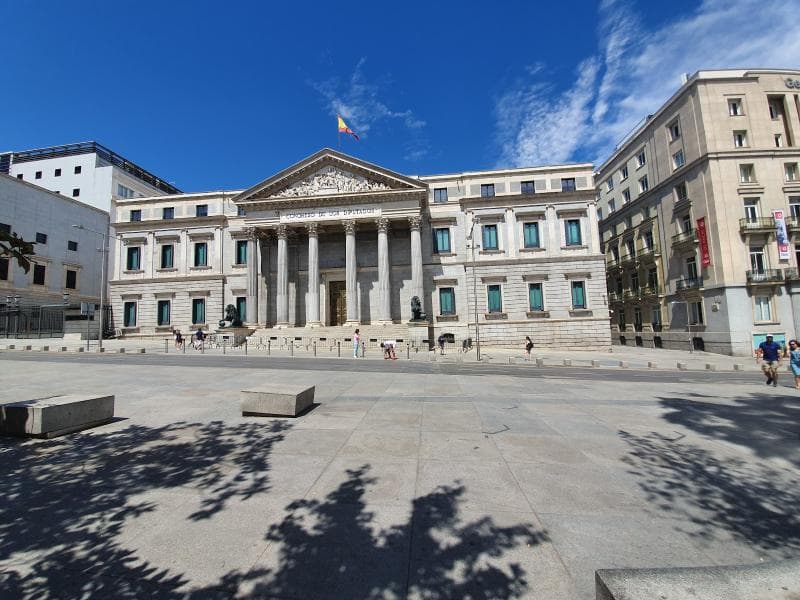
Explore the Thyssen-Bornemisza Museum's Family Collection in Madrid, Spain, a comprehensive journey through Western art from the 13th to 20th century.
Overview
Nestled in the heart of Madrid, Spain, the Thyssen-Bornemisza Museum is a vital component of the city's renowned 'Golden Triangle of Art,' alongside the Prado Museum and the Reina Sofía National Gallery. It distinguishes itself by offering a unique and comprehensive overview of Western art, effectively bridging historical gaps in its counterparts' collections. The museum's core, often referred to as the 'Family Collection,' showcases an extraordinary journey through art history from the 13th to the late 20th century, presenting an unparalleled chronological scope.
This magnificent private collection, once considered the second largest in the world, provides visitors with an encyclopedic view of major artistic movements and schools. It's a testament to the discerning taste and dedication of several generations of the Thyssen-Bornemisza family, whose passion for art transformed a private endeavor into a public treasure.
History & Cultural Background
The legacy of the Thyssen-Bornemisza collection traces its origins to August Thyssen, the patriarch of the family, who laid the groundwork for this artistic dynasty by commissioning sculptures from Auguste Rodin between 1905 and 1911. However, it was his son, Baron Heinrich Thyssen-Bornemisza, who earnestly began assembling the core art collection in the 1920s. He focused primarily on Old Masters, aiming to build a collection comparable to the great public museums of his time.
Upon Heinrich's death in 1947, his youngest son, Baron Hans Heinrich Thyssen-Bornemisza, took on the monumental task of reuniting and expanding the collection. He diligently bought back many works that had been dispersed among his siblings and dramatically broadened the collection's scope. Hans Heinrich's vision extended beyond Old Masters to include Impressionists, Post-Impressionists, German Expressionists, and a significant array of 20th-century European and American paintings, including Pop Art.
Initially housed in the family's Swiss residence, Villa Favorita in Lugano, the expanding collection eventually outgrew its space. The pivotal decision to move the collection to Spain was largely influenced by Baron Hans Heinrich's fifth wife, Carmen Cervera. In 1993, the Spanish government acquired 775 works from the collection, establishing the Thyssen-Bornemisza Museum in Madrid. The Carmen Thyssen-Bornemisza Collection, comprising over two hundred works, further augmented the museum's offerings in 2004, providing an even more comprehensive artistic narrative.
What Makes It Special
What truly sets the Family Collection apart is its unparalleled breadth, offering a continuous and coherent journey through seven centuries of Western art. Unlike many national museums that might specialize in certain periods or schools, the Thyssen-Bornemisza fills critical historical gaps. For instance, it provides strong representation of Italian primitives, and works from the English, Dutch, and German schools that may be less prominent in the Prado, and complements the Reina Sofía with its Impressionist, Expressionist, and 20th-century European and American paintings.
The personal preferences of the collecting barons are evident, showcasing a particular predilection for portraits and landscapes, a characteristic that differentiates it from the prevalence of religious and historical paintings in other Spanish institutions. The collection boasts masterpieces by an extraordinary roster of artists, including Duccio, Jan van Eyck, Ghirlandaio, Holbein, Carpaccio, Dürer, Titian, Caravaggio, Rembrandt, Hals, Canaletto, Monet, Degas, Morisot, Gauguin, Van Gogh, Matisse, Picasso, Kirchner, Kandinsky, Mondrian, Miró, Dalí, Hopper, O'Keeffe, Pollock, and Lichtenstein. This rich diversity allows for a rare appreciation of artistic evolution across different periods and geographies. The museum also houses an important collection of 19th-century American painting, which is a rare sight in European institutions.
Stories, Fun Facts & Local Details
The Thyssen-Bornemisza collection is imbued with fascinating personal stories. One compelling narrative is Hans Heinrich's dedication to his father's legacy; after Heinrich's death, his vast collection was divided among his children. Hans Heinrich undertook the heartfelt mission of buying back many of these pieces from his siblings, driven by a desire to preserve and expand the unified family collection. His marriage to Carmen Cervera was instrumental in securing the collection's permanent home in Madrid, transforming a private legacy into a public cultural institution.
A unique detail for visitors to note is that some of August Thyssen's initial Rodin sculptures greet guests in the museum's entrance hall, serving as a symbolic link to the collection's earliest beginnings. While the collection is now publicly owned, its family provenance occasionally surfaces in contemporary discussions, such as the ongoing legal case regarding a Pissarro painting, 'Rue Saint-Honoré in the Afternoon, Effect of Rain,' a testament to the complex histories that can accompany such extensive private acquisitions.
Visitor Perspective
For the curious traveler, exploring the Family Collection at the Thyssen-Bornemisza Museum offers a remarkably coherent and accessible artistic journey. The works are often arranged chronologically, allowing for a natural progression through the history of Western art. This thoughtful presentation makes it easier to appreciate the evolution of styles, techniques, and themes from the 13th century through to modern art, providing context that can sometimes be challenging to grasp in more specialized museums.
Many visitors find the museum's layout and curatorial choices particularly engaging, making a typical visit to the permanent collection both enriching and manageable, often taking between 1.5 and 3 hours. It offers a distinct and complementary experience to its neighbors, the Prado and Reina Sofía, making it an essential stop for anyone seeking a full understanding of European painting. The diverse array of artistic movements, including those less represented elsewhere, ensures there is always something new to discover, catering to both seasoned art enthusiasts and those just beginning their exploration of art history.
Coordinates: -3.694925, 40.416041
View on Google Maps💬 How Travelers Describe This Place
Based on community votes
Beautiful
839Photogenic
445Must See
388Unique
289Interesting
141
Traveler Stories
Discover memorable experiences shared by travelers who have visited this place.
No traveler stories yet.
Be the first traveler to share what made this place memorable.

Tour
By
Spot
Discover amazing places around the world. Your journey starts here.
Explore
© 2026 TourBySpot. All rights reserved.