Modern Art Wing
Madrid, Spain
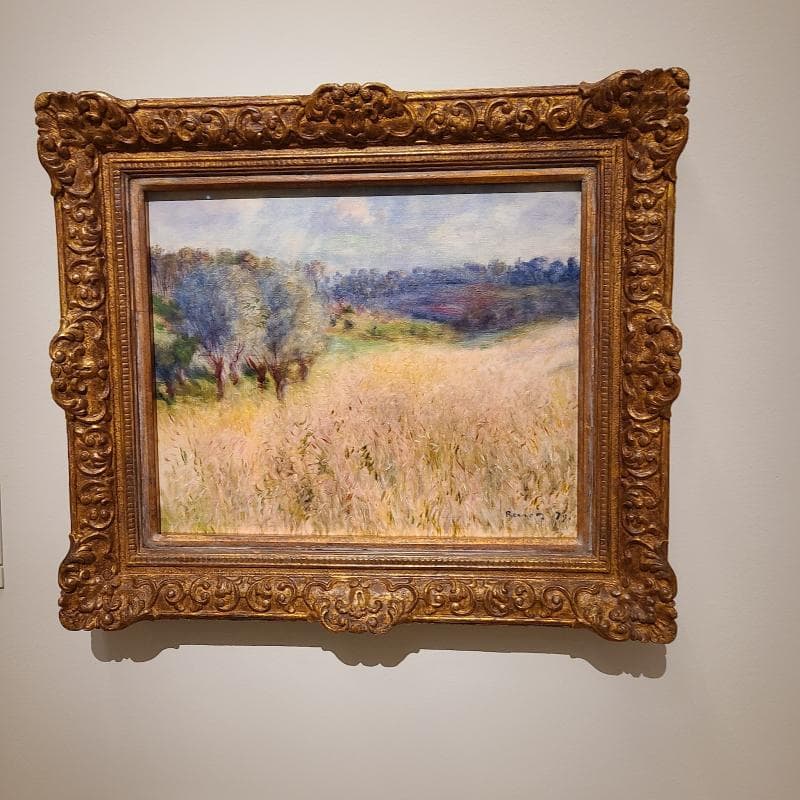
Explore the Modern Art Wing at the Thyssen-Bornemisza Museum in Madrid, Spain, featuring Impressionist, Expressionist, and 20th-century masterpieces.
Overview
The Thyssen-Bornemisza Museum in Madrid, Spain, stands as a pivotal institution within the city's renowned 'Golden Triangle of Art'. Unlike its distinguished neighbors, the Prado Museum and the Reina Sofía, the Thyssen-Bornemisza was conceived to fill historical gaps in Madrid's national art collections, offering a comprehensive journey through Western art from the 13th to the late 20th century. Its Modern Art Wing, primarily housed on the first floor of the museum, is a testament to this unique mission. It provides a rich and diverse panorama of artistic movements that shaped the modern era, from the luminous brushstrokes of Impressionism to the bold statements of Pop Art, offering a fresh perspective on art history often underrepresented in other Spanish public collections.
This wing allows visitors to trace the evolution of modern art through seminal works by European and American masters. It presents a chronological narrative, guiding the viewer through revolutionary artistic ideas and expressions that define the period. The experience is designed to be accessible, making complex art movements understandable and engaging for both seasoned art enthusiasts and curious newcomers alike.
History & Cultural Background
The foundation of the Thyssen-Bornemisza Museum's collection is rooted in the private passion of the Thyssen-Bornemisza family, amassed over two generations. It began in the 1920s with Heinrich, Baron Thyssen-Bornemisza de Kászon, and was significantly expanded by his son, Hans Heinrich Thyssen-Bornemisza, who had a particular penchant for diversifying the collection beyond Old Masters.
Hans Heinrich consciously acquired works that represented movements often absent from public museums, particularly focusing on Impressionism, Post-Impressionism, and 20th-century avant-garde art. This collecting philosophy was instrumental in creating a collection that acts as a bridge between the classical and the contemporary. After decades housed in the family's estate in Lugano, Switzerland, the collection eventually found its permanent home in Madrid in 1992, within the neoclassical Villahermosa Palace. The Spanish government later acquired a significant portion of this private treasure, ensuring its public accessibility and establishing the Modern Art Wing as a vital component of Madrid's cultural landscape.
What Makes It Special
What sets the Modern Art Wing apart is its extraordinary breadth and the deliberate way it complements Madrid's other major museums. While the Prado excels in Spanish and Italian Old Masters, and the Reina Sofía focuses on Spanish modern and contemporary art, the Thyssen-Bornemisza’s collection uniquely presents a comprehensive overview of European and American modern art.
Visitors can delve into the vibrant hues of French Impressionism, with masterpieces by artists like Claude Monet, Auguste Renoir, Edgar Degas, and Camille Pissarro. The journey continues through the emotional intensity of German Expressionism, featuring works by Emil Nolde and Ernst Ludwig Kirchner, and the groundbreaking abstract creations of Wassily Kandinsky and Piet Mondrian. American painting of the 19th and 20th centuries, including significant pieces by Edward Hopper and Georgia O'Keeffe, also holds a prominent place, a rare sight in European museums. The collection also boasts Surrealist works by Salvador Dalí and René Magritte, and iconic Pop Art pieces by Roy Lichtenstein, offering a chronological and thematic sweep of the modern epoch.
Stories, Fun Facts & Local Details
The Thyssen-Bornemisza's collection is sometimes referred to as 'the collection that completes the art triangle' in Madrid, a playful nod to its role in providing a missing link between the other two grand museums. It's often highlighted for its chronological arrangement, making it an excellent place to understand the progression of art history.
A fascinating aspect is the involvement of Carmen Cervera, Baroness Thyssen-Bornemisza, Hans Heinrich's fifth wife. Her own collection, known as the Carmen Thyssen Collection, further enriches the museum's modern art offerings, particularly in Impressionism and 17th-century Dutch landscapes. This collection is typically housed on the ground floor, providing an additional layer of modern and contemporary works for visitors to explore. The salmon pink tone of the museum's interior walls, a distinct feature, was reportedly chosen by the Baroness herself.
Visitor Perspective
For visitors, navigating the Modern Art Wing of the Thyssen-Bornemisza Museum is an intuitive experience, thanks to its thoughtful chronological layout. The general recommendation is to start on the second floor with the Old Masters and then proceed downwards to the first floor, where the Modern Masters from Impressionism to the 20th century are predominantly displayed. This allows for a natural appreciation of how artistic styles evolved over centuries.
The museum's manageable size, compared to some larger institutions, means that the Modern Art Wing can be explored thoroughly without feeling overwhelmed. You can immerse yourself in the vibrant colors of a Van Gogh landscape or ponder the geometric precision of a Mondrian, all within a comfortable and engaging setting. Whether you have a few hours or a full day, the Modern Art Wing offers a rewarding and educational journey through some of the most innovative periods in art history.
Coordinates: -3.694925, 40.416041
View on Google Maps💬 How Travelers Describe This Place
Based on community votes
Beautiful
839Photogenic
445Must See
388Unique
289Interesting
141
Traveler Stories
Discover memorable experiences shared by travelers who have visited this place.
No traveler stories yet.
Be the first traveler to share what made this place memorable.

Tour
By
Spot
Discover amazing places around the world. Your journey starts here.
Explore
© 2026 TourBySpot. All rights reserved.