Renaissance Collection
Madrid, Spain
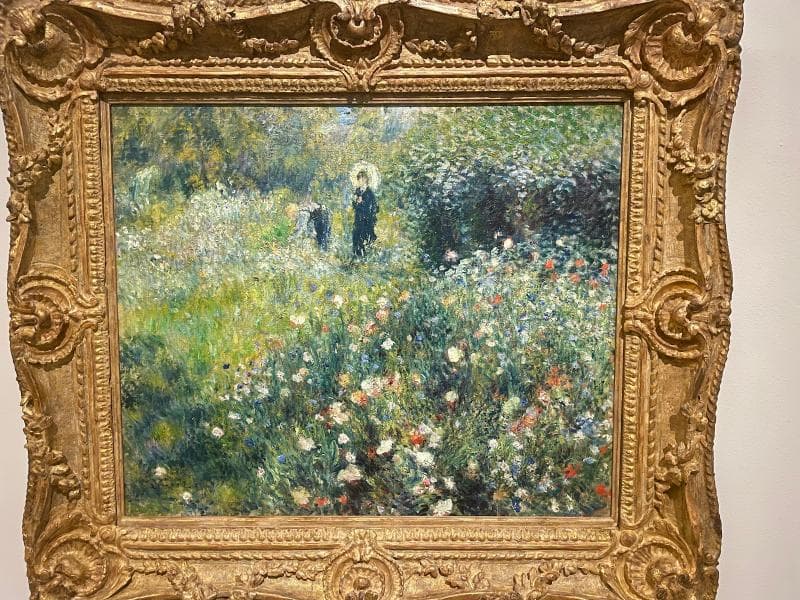
Discover the Renaissance Collection at Madrid's Thyssen-Bornemisza Museum. Explore masterpieces by Van Eyck, Dürer, Titian, and more.
Overview
Nestled within Madrid's prestigious 'Golden Triangle of Art', the Thyssen-Bornemisza Museum houses a remarkable collection that beautifully complements its illustrious neighbors, the Prado and Reina Sofía. Among its many treasures, the Renaissance Collection stands out as a vibrant journey through a pivotal era in Western art. It offers visitors a unique opportunity to explore the artistic innovations and profound shifts in thought that defined the 14th to 16th centuries across Italy, the Netherlands, and Germany.
This dedicated segment of the museum's extensive holdings showcases masterpieces that were once part of a private family collection, meticulously assembled to represent the major milestones of Western art history. The Renaissance works, in particular, bridge crucial gaps in other Spanish national collections, presenting an encompassing narrative of this period's artistic evolution.
History & Cultural Background
The foundation of what would become the Thyssen-Bornemisza's Renaissance Collection began in the 1920s with Baron Heinrich Thyssen-Bornemisza de Kászon, who sought to acquire works from the 13th to early 19th centuries. His son, Hans Heinrich Thyssen-Bornemisza, dramatically expanded the collection, reinforcing the presence of Old Masters and broadening its scope.
The Renaissance era, roughly from the 14th to the 16th centuries, marked a profound cultural rebirth in Europe, characterized by a renewed interest in classical antiquity, humanism, and a focus on the individual. This period saw cities like Florence and Venice become dynamic artistic centers, each developing distinct visual languages. The collection here masterfully illustrates this evolution, from the clear, balanced compositions of the Florentine Quattrocento to the rich colors and sensory experiences of the Venetian Cinquecento, reflecting the complex social, political, and cultural tensions of the time.
What Makes It Special
What sets the Renaissance Collection apart is its remarkable breadth and depth, capturing the diverse artistic expressions of the period from multiple European schools. It features an impressive array of Italian, Dutch, and German Renaissance works, a feature that distinguishes it from many other major collections.
Visitors can marvel at iconic pieces by legendary artists such as Duccio, Jan van Eyck, Vittore Carpaccio, Albrecht Dürer, Raphael, Titian, and Hans Holbein. These works provide a comprehensive overview, charting the stylistic developments and thematic explorations of the Renaissance, including early Italian primitives, the meticulous detail of Northern European art, and the grandeur of the High Renaissance. The collection serves as a vital historical bridge, ensuring that the story of Western art is told with unparalleled continuity.
Stories, Fun Facts & Local Details
One of the most captivating pieces in the collection is Domenico Ghirlandaio's 'Portrait of Giovanna Tornabuoni' from 1488. This painting is not just a stunning depiction of a Florentine noblewoman, but it also includes a fascinating detail: an epigram on a cartellino by the Roman poet Martial, addressed to Art itself, stating: 'Art, if only you could reproduce the character and the spirit. There would be no finer portrait in the world'. This adds an intimate, intellectual layer to the artwork, inviting contemplation on the very nature of artistic representation.
The entire Thyssen-Bornemisza collection, including its precious Renaissance works, was once the second largest private art collection in the world. Its journey from a private family estate in Switzerland to a national museum in Madrid, acquired by the Spanish government in 1993, is a testament to its immense cultural significance and the dedication to making art accessible to all. The museum, housed in the elegant Villahermosa Palace, offers a serene backdrop for these timeless works.
Visitor Perspective
Exploring the Renaissance Collection at the Thyssen-Bornemisza Museum is an enriching experience, allowing visitors to immerse themselves in the masterpieces that shaped Western civilization. The collection's intelligent curation, reinstalled in 2021 to provide a coherent chronological tour on the museum's upper floors, guides you through centuries of artistic brilliance.
As you wander through the galleries, you'll witness the shift from devotional art to portraits that celebrate individual humanity, from biblical narratives to mythological tales, all rendered with breathtaking skill and innovative techniques. It's a journey that not only educates but also deeply moves, providing insights into the human condition and the enduring power of artistic expression from a time that truly redefined the world.
Coordinates: -3.694925, 40.416041
View on Google Maps💬 How Travelers Describe This Place
Based on community votes
Must See
836Beautiful
797Photogenic
695Interesting
396Unique
286
Traveler Stories
Discover memorable experiences shared by travelers who have visited this place.
No traveler stories yet.
Be the first traveler to share what made this place memorable.

Tour
By
Spot
Discover amazing places around the world. Your journey starts here.
Explore
© 2026 TourBySpot. All rights reserved.