The Settlement Exhibition
Reykjavik, Iceland
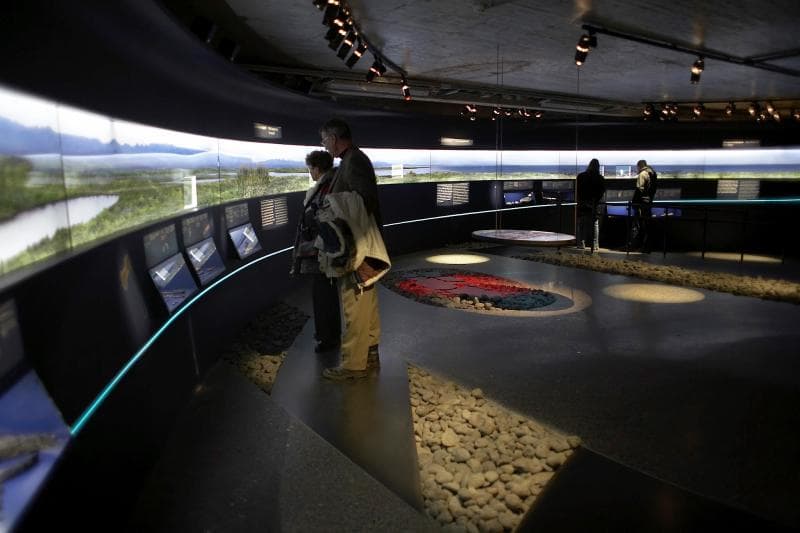
Explore The Settlement Exhibition in Reykjavik, Iceland, where Viking ruins come to life. Discover the oldest relics of human habitation and delve into Iceland's rich history.
Overview
Step back in time to the very beginnings of Reykjavík at The Settlement Exhibition, an extraordinary museum built directly over the archaeological remains of Iceland's first known Viking settlement. Often referred to as 'Reykjavík 871±2', this captivating site offers a unique window into the lives of the early Norse settlers who braved the harsh North Atlantic. Located in the heart of downtown Reykjavík, the exhibition is an immersive journey into the distant past, showcasing a 10th-century longhouse and a wall fragment dating to before 871 AD, preserved in their original location. Part of the Reykjavík City Museum, it masterfully blends ancient history with innovative modern technology to create a truly engaging visitor experience.
History & Cultural Background
The story of The Settlement Exhibition begins with a significant archaeological discovery in 2001. During construction work in Aðalstræti, the oldest relics of human habitation in Reykjavík were unearthed. Among these crucial findings was a remarkably well-preserved Viking-Age longhouse, believed to have been continuously inhabited from approximately 930 to 1000 AD. Even older is a wall fragment found north of the longhouse, which archaeologists have dated to around 871 AD, with a margin of error of two years. This precise dating capability gives the exhibition its distinctive name, 'Reykjavík 871±2'.
This extraordinary accuracy is thanks to a specific geological event: a major volcanic eruption in the Torfajökull area around 871 AD. This eruption deposited a layer of tephra (volcanic ash) across Iceland, which serves as an invaluable chronological marker for archaeologists. By analyzing this tephra layer, researchers can pinpoint the age of finds with remarkable precision, making it a cornerstone of early Icelandic history.
Culturally, the exhibition resonates deeply with the sagas and legends of Iceland's settlement. According to the 'Book of Settlement' (Landnámabók) and oral traditions, the first permanent Norse settler, Ingólfr Arnarson, established his farmstead in Reykjavík around 874 AD. He famously cast his high seat pillars overboard upon sighting land, vowing to settle wherever the gods guided them ashore. The archaeological evidence uncovered at the exhibition site strongly aligns with these foundational narratives. The name Reykjavík itself, meaning 'Smoky Bay', is attributed to Ingólfr, who observed steam rising from the geothermal hot springs upon his arrival.
What Makes It Special
What truly sets The Settlement Exhibition apart is its dedication to presenting history 'in situ'. Unlike many museums where artifacts are removed from their original context, here, visitors experience the actual foundations of the Viking longhouse and the ancient wall where they were discovered. This direct connection to the physical past creates an unparalleled sense of authenticity.
Beyond the preserved ruins, the exhibition employs state-of-the-art technology to transport visitors into the Viking Age. Imagine wraparound panoramic projections that depict what the area looked like a thousand years ago, or interactive multimedia tables that allow you to explore different layers of the longhouse's construction. Animated projections even recreate the interior of the longhouse, offering a glimpse into the daily lives of its inhabitants. This innovative use of digital media brings an otherwise abstract past vibrantly to life.
Moreover, the exhibition's unique ability to date findings so precisely, using the 871±2 tephra layer, is a testament to the scientific rigor and historical significance of the site. It provides an anchor point for understanding the timeline of Iceland's earliest human presence. For a more comprehensive historical journey, a single admission ticket also grants access to the interconnected Aðalstræti 10 exhibition, which extends the narrative of Reykjavík's evolution from its settlement days right up to the modern era.
Stories, Fun Facts & Local Details
One of the most enduring stories associated with Reykjavík's founding is that of Ingólfr Arnarson. After being exiled from Norway, he embarked on a journey to Iceland, guided by a sacred Norse ritual. His high seat pillars, thrown into the sea, eventually drifted ashore in what would become Reykjavík, signalling the gods' chosen spot for his settlement. This tale is a powerful reminder of the spiritual beliefs and adventurous spirit of the early Norse settlers.
The name Reykjavík itself offers a fascinating detail. 'Smoky Bay' was not a poetic invention but a practical description given by Ingólfr Arnarson, who witnessed the abundant steam rising from the geothermal vents in the area. This natural phenomenon, still evident today, linked the earliest settlers to the very land they inhabited.
The artifacts on display tell their own stories, offering tangible connections to the people who lived here centuries ago. Among the excavated items, you can find remains of great auks, alongside everyday objects like fish-oil lamps and an iron axe. A particularly intriguing discovery is a spindle whorl inscribed with runes, hinting at the literacy and craftsmanship of the Viking-Age community. The exhibition was designed and built *around* these precious archaeological discoveries, highlighting the respect given to the historical significance of the site. Furthermore, Icelandic folklore speaks of 'huldufólk', or hidden people, who are said to inhabit ancient sites, underscoring the deep cultural reverence for such historical places.
Visitor Perspective
Visiting The Settlement Exhibition is a seamless and enriching experience for any traveler interested in history and culture. Conveniently situated at Aðalstræti 16 in central Reykjavík, it is easily accessible and often just a short walk from other major attractions like Harpa Concert Hall and the National Museum of Iceland. Upon entry, complimentary audio guides are provided, available year-round, allowing each visitor to explore at their own pace and delve deeper into the narratives of the exhibits.
The museum is designed with the visitor in mind, featuring interactive displays that cater to various learning styles. You can virtually 'step inside' the longhouse, examine artifacts up close, and understand the construction techniques of the Viking Age through engaging multimedia presentations. The facilities are also wheelchair accessible, ensuring that everyone can enjoy this historical journey. With a single admission ticket covering both The Settlement Exhibition and its companion, the Aðalstræti 10 exhibition, visitors can trace Reykjavík's history from its initial settlement to the present day in one comprehensive visit. The exhibition is open daily, typically from 10 AM to 5 PM, making it a flexible addition to any Reykjavík itinerary.
Coordinates: -21.94278, 64.14735
View on Google Maps💬 How Travelers Describe This Place
Based on community votes
Beautiful
856Interesting
702Unique
295Photogenic
246Must See
191
Traveler Stories
Discover memorable experiences shared by travelers who have visited this place.
No traveler stories yet.
Be the first traveler to share what made this place memorable.
Things to see at The Settlement Exhibition



Tour
By
Spot
Discover amazing places around the world. Your journey starts here.
Explore
© 2026 TourBySpot. All rights reserved.