Excavation Site
Reykjavik, Iceland
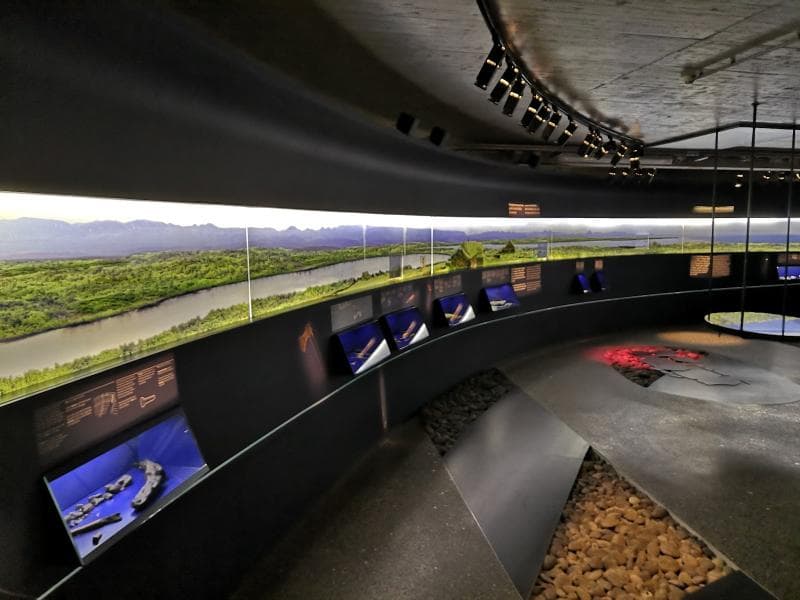
Explore the Excavation Site at The Settlement Exhibition in Reykjavík, Iceland, home to Viking-Age ruins and the oldest evidence of human habitation.
Overview
Deep beneath the bustling streets of modern Reykjavík lies a foundational secret, literally unearthed for all to see: the Excavation Site within The Settlement Exhibition. This remarkable sub-spot is not merely an exhibit; it is the preserved ruin of a Viking-Age longhouse and a much older wall fragment, showcasing the very beginnings of human habitation in Iceland. Located at Aðalstræti 16, this site offers a tangible connection to the Norse settlers who first braved the North Atlantic to call this island home. It is a cornerstone of the Reykjavík City Museum, presenting a rare opportunity to stand where history was truly made.
The excavation site serves as the primary focus of the museum, providing a profound glimpse into a distant past. Unlike many archaeological finds moved to laboratories, these ancient structures are preserved in their original location, allowing visitors to experience the ruins exactly as they were discovered. The exhibition meticulously reconstructs the environment of the first settlers, bringing their daily lives and challenges into sharp focus through a thoughtful blend of ancient relics and cutting-edge interpretive technology.
History & Cultural Background
The story of the Excavation Site began unexpectedly in 2001 when construction work on Aðalstræti, one of Reykjavík's oldest streets, brought to light archaeological remains that proved to be the oldest relics of human habitation in the city. What workers uncovered was a 10th-century longhouse and, more significantly, a wall fragment dating back to 871 AD, give or take two years. This precise dating, reflected in the exhibition's name 'Reykjavík 871±2', was made possible by analyzing a tephra layer—volcanic ash from a major eruption in the Torfajökull area—that settled across the region at that exact time.
This wall fragment predates the longhouse and represents the earliest known structural evidence of human presence in Iceland. The longhouse itself, inhabited between approximately 930 and 1000 AD, stands as one of the oldest human-made structures ever found on the island. These discoveries dramatically confirmed aspects of Iceland's sagas, ancient narratives that speak of the Norse settlement era, and provided hard archaeological evidence for the settlement period. The findings underscored the harsh realities and incredible resilience of those early pioneers who established a society in an untouched land.
What Makes It Special
The unique appeal of this Excavation Site lies in its remarkable preservation and its contextual presentation. The decision to construct the museum directly around the archaeological finds means visitors can observe the ruins of the longhouse and the ancient wall in their original positions, protected from the elements yet accessible for close inspection. This in-situ preservation is a rare and powerful way to connect with the past.
The exhibition ingeniously merges traditional archaeology with modern technology. Interactive multimedia displays, including wraparound panoramas and touch-screen tables, allow guests to explore the longhouse's construction, understand Viking-Age building techniques, and visualize what life might have been like for its inhabitants. These technological enhancements transform static ruins into a dynamic, immersive experience, offering insights into the material culture and daily routines of Iceland's first centuries of settlement.
Stories, Fun Facts & Local Details
The very existence of the Settlement Exhibition is a 'happy accident' of urban development. When construction unearthed these ancient remains, the city of Reykjavík made the commendable decision to halt the original plans and instead build a museum to preserve and present this invaluable heritage. The '871±2' in the exhibition's name isn't just a number; it's a testament to the precision of Icelandic geology and archaeology. Volcanic ash layers act as natural time markers, allowing scientists to date events with astonishing accuracy.
While the longhouse isn't definitively proven to be the dwelling of Ingólfur Arnarson, Iceland's traditional first settler, its location in what would become the heart of Reykjavík certainly ties into the foundational narrative of his settlement. The exhibition also displays fascinating artifacts from the Viking Age, including everyday tools, fish-oil lamps, and even ancient bones, painting a vivid picture of early Icelandic life. A fun fact for families is that the museum often includes children's activity areas, featuring toys similar to those used by early settlers, making history engaging for all ages.
Visitor Perspective
For the curious traveler, visiting the Excavation Site at The Settlement Exhibition is like stepping directly into a historical detective story. The low lighting and thoughtful design create an atmosphere of reverence, allowing the ancient stones and earth to speak volumes. Complimentary audio guides, available in multiple languages, enrich the experience, guiding you through the layers of history and explaining the significance of each find.
Visitors often describe a sense of wonder and connection when viewing the longhouse ruins and the ancient wall, imagining the lives of the early settlers who endured a challenging environment to forge a new society. The interactive exhibits, such as the digital reconstructions and explanatory tables, help bridge the gap between archaeological fragments and a living history. It is an educational and emotionally resonant experience, offering a unique window into the very first chapter of Reykjavík's long and captivating story, leaving a lasting impression of Iceland's enduring heritage.
Coordinates: -21.942501, 64.147399
View on Google Maps💬 How Travelers Describe This Place
Based on community votes
Beautiful
856Interesting
702Unique
295Photogenic
246Must See
191
Traveler Stories
Discover memorable experiences shared by travelers who have visited this place.
No traveler stories yet.
Be the first traveler to share what made this place memorable.

Tour
By
Spot
Discover amazing places around the world. Your journey starts here.
Explore
© 2026 TourBySpot. All rights reserved.