Multimedia Rooms
Reykjavik, Iceland
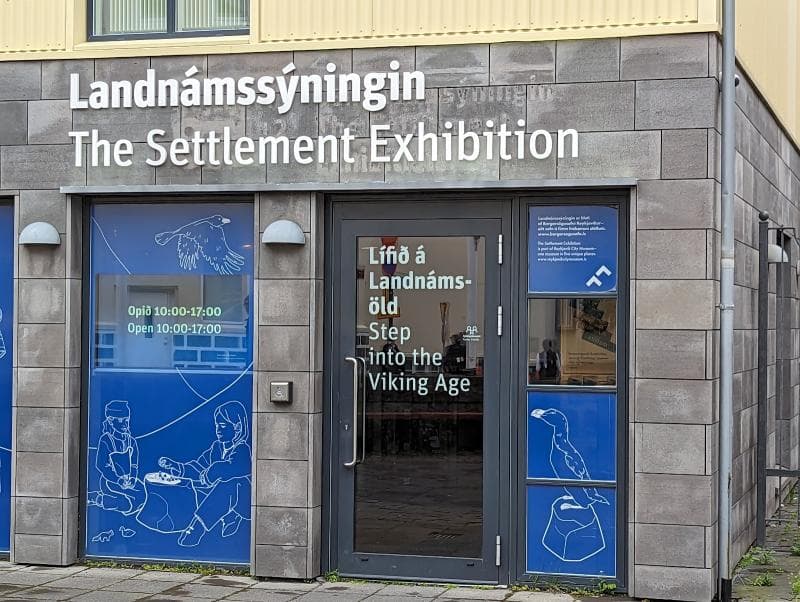
Explore the Multimedia Rooms at The Settlement Exhibition in Reykjavik, Iceland, for an immersive journey into Viking Age history.
Overview
Deep beneath the bustling streets of Reykjavík, Iceland, lies a gateway to the Viking Age: the Settlement Exhibition. This unique museum, known as Reykjavík 871±2, is built around actual archaeological remains of one of the earliest human settlements on the island. While the preserved ruins of a 10th-century longhouse and an even older turf wall are its heart, the exhibition truly comes alive through its innovative multimedia rooms. These dedicated spaces utilize modern technology to transport visitors back in time, offering an immersive and interactive journey into the lives of Iceland's first settlers. Part of the Reykjavík City Museum, it stands as a testament to the city's rich and ancient past, blending history with cutting-edge presentation to create a memorable experience for all ages.
History & Cultural Background
The very existence of the Settlement Exhibition is a fascinating story in itself, born from an unexpected discovery. In 2001, during construction work in central Reykjavík's Aðalstræti street, archaeologists unearthed significant relics: the remains of a longhouse dating from the 10th century and a fragment of a turf wall even older, from around 871 AD. This accidental find became the foundation of the museum, meticulously preserved in its original location for public display. The exhibition's name, 'Reykjavík 871±2', refers to a precisely dated layer of volcanic ash, or tephra, from an eruption in the Torfajökull area. This tephra layer, found across Iceland and accurately dated to 871 AD (with a two-year margin of error), serves as an invaluable archaeological marker, helping to date finds from Reykjavík's earliest history. The longhouse itself is believed to have been inhabited from approximately 930 to 1000 AD, offering a tangible link to the Viking Age.
What Makes It Special
The multimedia rooms are the dynamic pulse of the Settlement Exhibition, transforming static archaeological finds into vibrant historical narratives. Far from being passive displays, these rooms offer high-tech presentations, audiovisual systems, and interactive exhibits that deepen understanding. Visitors can explore three-dimensional reconstructions of the longhouse, allowing them to virtually step inside and visualize how these ancient structures looked and functioned. Interactive touch screens and multi-user tables provide detailed information about excavated artifacts, individual buildings, and the material culture of the first centuries of settlement. This innovative use of technology ensures that the complex history of Reykjavík's origins is accessible and engaging, providing insight into the structure of Viking-Age buildings and the daily lives of their inhabitants.
Stories, Fun Facts & Local Details
One of the most captivating aspects of the Settlement Exhibition is how it brings the past to life through engaging details. The multimedia exhibits don't just focus on Iceland; they also offer comparative insights into Viking culture across other North Atlantic nations, providing a broader historical context. It's remarkable to consider that this entire museum, with its cutting-edge technology and deep historical significance, came into being purely by chance due to urban construction. The exhibition is also designed with families in mind, featuring children's activity areas equipped with toys reminiscent of those used during Iceland's early settlement days, making history fun and relatable for younger visitors. Furthermore, some advanced interactive displays allow visitors to virtually 'steer' through different archaeological layers of the longhouse, offering a unique perspective on the excavation process and the building's history. The museum effectively bridges the gap between ancient ruins and modern interpretation.
Visitor Perspective
Stepping into the Multimedia Rooms at the Settlement Exhibition is often described as an immersive and enlightening experience. Thanks to a combination of free audio guides, informative panels in multiple languages, and the sophisticated audiovisual systems, visitors are effortlessly transported to the 9th century. This allows for a profound connection with the historic settlers and their way of life, beyond just viewing artifacts behind glass. The innovative design of the museum, widely recognized and awarded, enhances this journey through time, making the learning process both enjoyable and deeply engaging. For curious travelers, it offers a fascinating and comprehensive way to grasp the foundational history of Iceland, providing context and narrative to the archaeological wonders unearthed below. The blend of preserved physical remains and vibrant digital storytelling ensures a rich and memorable visit.
Coordinates: -21.942501, 64.147399
View on Google Maps💬 How Travelers Describe This Place
Based on community votes
Beautiful
783Interesting
624Must See
623Unique
609Photogenic
535
Traveler Stories
Discover memorable experiences shared by travelers who have visited this place.
No traveler stories yet.
Be the first traveler to share what made this place memorable.

Tour
By
Spot
Discover amazing places around the world. Your journey starts here.
Explore
© 2026 TourBySpot. All rights reserved.