Tanah Lot Temple
Bali, Indonesia
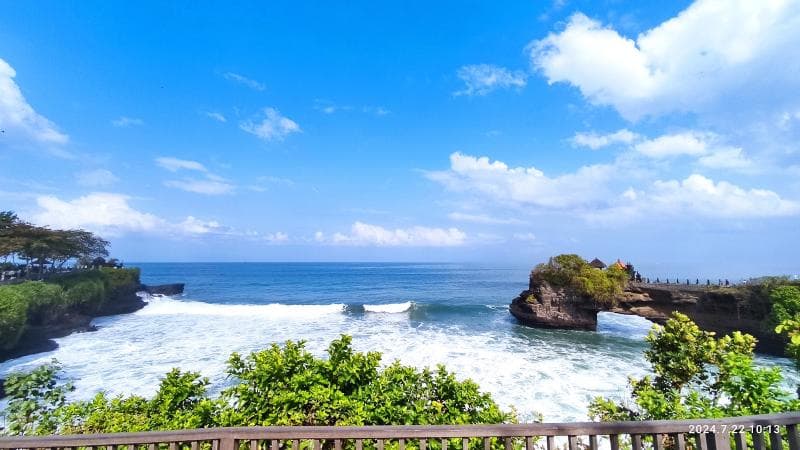
Discover Tanah Lot Temple in Bali, Indonesia – an iconic sea temple known for its dramatic offshore setting, rich history, and stunning sunsets.
Overview
Tanah Lot Temple, or Pura Tanah Lot, is one of Bali's most iconic and revered sea temples, majestically perched on a rocky offshore formation along the southwestern coast of Bali, Indonesia. Its name, meaning 'Land in the Sea' in Balinese, perfectly describes its dramatic and picturesque setting. This ancient Hindu shrine is not merely a tourist attraction but a significant cultural landmark that captures the spiritual essence and breathtaking natural beauty of the island. As part of a chain of seven sea temples, Tanah Lot plays a crucial role in spiritually safeguarding Bali and its people from negative forces approaching from the ocean. The temple is famed worldwide for its spectacular sunsets, which cast a vibrant glow over its silhouette, creating a truly unforgettable vista.
History & Cultural Background
The history of Tanah Lot Temple dates back to the 16th century, deeply rooted in the spiritual journey of Dang Hyang Nirartha. This revered Hindu priest arrived in Bali from Java with the mission to spread Hindu teachings across the island. Drawn by a potent spiritual energy, Nirartha discovered the unique rock formation, then known as Gili Beo, and chose it as a sacred spot for meditation. Initially, the local village chief, Bendesa Beraban Sakti, and his followers opposed Nirartha's new teachings. Legend tells that when they attempted to expel him, Nirartha used his spiritual powers to move the rock where he meditated further into the sea, creating the isolated temple site. This powerful act convinced Bendesa Beraban and his community to embrace Hinduism, eventually leading to the construction of Tanah Lot Temple. The temple is primarily dedicated to Dewa Baruna, the sea god, also known as Bhatara Segara, reflecting the deep connection Balinese culture has with the ocean. It serves as a vital center of worship where locals offer prayers for protection, prosperity, and bountiful harvests from the sea.
What Makes It Special
The captivating allure of Tanah Lot lies in its extraordinary natural setting and the way it harmonizes with the surrounding elements. Its most striking feature is its location on a large offshore rock, which, at high tide, becomes completely surrounded by crashing waves, creating the illusion of a temple floating on water. During low tide, a natural causeway emerges, allowing visitors to walk across to the base of the rock formation. This accessibility during low tide also reveals a sacred freshwater spring at the base of the temple. Remarkably, this spring provides drinkable fresh water despite being enveloped by the salty ocean, and locals consider it holy water used for blessings and purification rituals. The temple itself showcases traditional Balinese architecture, with tiered roofs and intricate stone carvings that reflect the island's rich artistic heritage and devotion to Hindu beliefs. Centuries of relentless ocean waves have sculpted the rock, continually shaping this natural masterpiece. Significant conservation efforts, including international aid, have been undertaken to preserve the integrity of the rock and the temple against erosion, ensuring its survival for future generations.
Stories, Fun Facts & Local Details
Tanah Lot is rich with fascinating tales and cultural intricacies. Perhaps the most enduring legend involves the holy sea snakes that are believed to guard the temple. Local lore suggests that these venomous serpents, said to have been created by Dang Hyang Nirartha from his sash, reside in the caves at the base of the rock and protect the temple from evil spirits and intruders. Visitors can sometimes glimpse these black-and-white patterned snakes, adding a mystical element to their visit. Another captivating detail is the temple's Piodalan ceremony, its anniversary, which is celebrated every 210 days according to the Balinese Pawukon calendar. This sacred event draws thousands of Hindu devotees from across Bali to offer prayers, highlighting the temple's profound spiritual significance. A popular, albeit often dismissed, local myth is the 'Bali Curse,' which suggests that unmarried couples visiting Tanah Lot will experience a breakup. This story is often linked to a tale of a Brahmin prince and princess whose relationship ended unhappily after visiting the temple. However, many couples visit without incident, and the myth often serves as a playful local anecdote.
Visitor Perspective
Tanah Lot Temple welcomes visitors daily, typically from 7:00 AM to 7:00 PM. While beautiful at any time, the late afternoon, between 4:00 PM and 6:00 PM, is widely considered the best time to visit to witness the temple's iconic sunset views. During this peak time, expect larger crowds eager to capture the dramatic scenery. For those seeking a quieter experience, a morning visit offers a more serene atmosphere. Visitors can explore the well-maintained pathways and gardens surrounding the temple complex. During low tide, the receding waters allow access to the base of the temple rock where one can receive blessings with the sacred spring water from local priests. It is important to note that the inner sanctum of the main temple itself is generally reserved for Hindu worshippers and is not accessible to the public, but its intricate architecture can be admired from a distance. When visiting, respectful attire is advised; some sources suggest wearing a sarong and sash, particularly if entering designated sacred areas. The area surrounding Tanah Lot is equipped with facilities such as shops selling Balinese handicrafts and souvenirs, as well as cafes and restaurants where visitors can enjoy local delicacies with picturesque ocean views.
Coordinates: 115.08716, -8.62107
View on Google Maps💬 How Travelers Describe This Place
Based on community votes
Must See
491Photogenic
443Beautiful
414Interesting
310Unique
277
Traveler Stories
Discover memorable experiences shared by travelers who have visited this place.
No traveler stories yet.
Be the first traveler to share what made this place memorable.
Things to see at Tanah Lot Temple


Tour
By
Spot
Discover amazing places around the world. Your journey starts here.
Explore
© 2026 TourBySpot. All rights reserved.