Viewing Platforms
Bali, Indonesia
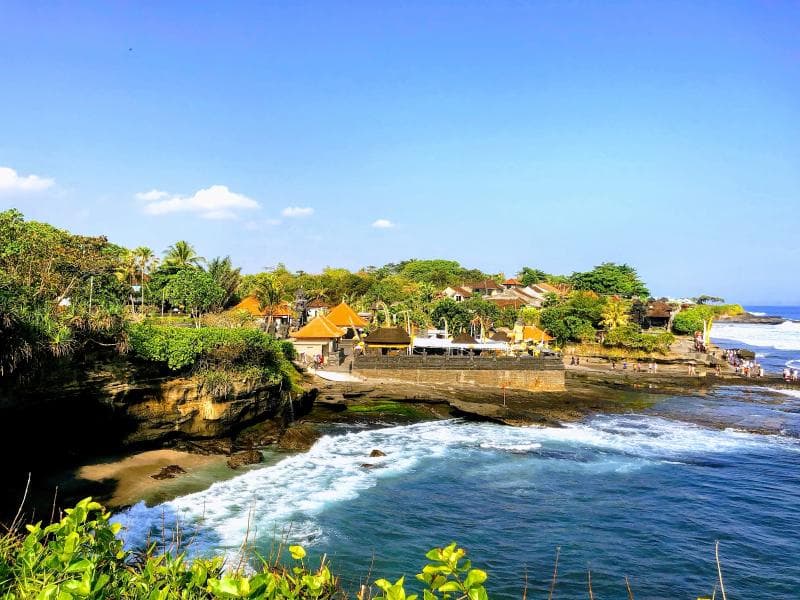
Discover Tanah Lot Temple's Viewing Platforms in Bali, Indonesia. Witness stunning sunsets, dramatic sea temple views, and rich cultural heritage.
Overview
Perched dramatically on a rocky outcrop amidst the crashing waves of the Indian Ocean, the viewing platforms at Tanah Lot Temple in Bali, Indonesia, offer an unparalleled spectacle. This iconic sea temple, whose name translates aptly to 'Land in the Sea,' is celebrated worldwide for its breathtaking panoramas, particularly at sunset. As one of Bali's significant sea temples, Tanah Lot holds profound cultural and spiritual importance, attracting curious travelers and devotees alike to witness its majestic beauty from various vantage points along the coastline. The experience from these platforms is not merely about sightseeing; it is an immersion into Bali's spiritual heart, where natural grandeur meets ancient mythology.
History & Cultural Background
The origins of Tanah Lot Temple trace back to the 16th century, credited to the revered Hindu priest Dang Hyang Nirartha, also known as Dang Hyang Dwijendra. During his spiritual journey across Bali, Nirartha was captivated by the unique rock formation and recognized its potent energy as a sacred site. He spent a night meditating there and subsequently instructed local fishermen to construct a shrine dedicated to the sea gods. The temple is an integral part of a chain of seven sea temples along Bali's southwestern coast, believed to form a spiritual protective barrier around the island. The primary deity worshipped here is Dewa Baruna, the powerful sea god, making Tanah Lot a vital active place of worship for Balinese Hindus. Over centuries, the temple has endured the relentless forces of nature. In the 1980s, facing significant erosion and crumbling, a substantial restoration project, supported by the Japanese government, was undertaken to preserve this historical and cultural treasure.
What Makes It Special
The allure of Tanah Lot's viewing platforms lies in their ability to present the temple in its most captivating forms. The temple's unique setting on an offshore rock, sculpted over millennia by the ocean's tides, creates a dynamic visual experience. At high tide, the rock becomes an island, making the temple appear to float majestically on the water, entirely separated from the mainland and imbued with a mystical aura. Conversely, during low tide, the receding waters reveal a pathway, allowing visitors to walk closer to the temple's base. Although non-Hindus are not permitted inside the temple itself, this proximity offers a unique perspective of its ancient architecture and the dramatic rock foundation. The surrounding clifftop terraces provide multiple designated viewing points, with popular spots located to the northwest and south of the temple, ensuring diverse and spectacular photographic opportunities. These vantage points are particularly celebrated during sunset, when the temple's silhouette against the fiery orange and purple sky creates a truly unforgettable spectacle.
Stories, Fun Facts & Local Details
Tanah Lot is steeped in fascinating legends and local beliefs that add layers of mystique to its natural beauty. One of the most enduring tales speaks of venomous sea snakes that are believed to guard the temple from evil spirits and intruders. According to folklore, these sacred snakes were created from Dang Hyang Nirartha's sash, transforming into eternal guardians of the holy site. Visitors can even find a cave near the temple's base where these 'holy snakes' (banded sea kraits) are said to reside, and under the supervision of handlers, some believe touching them can bring good fortune or grant wishes. Another local myth suggests that a freshwater spring, miraculously emerging from the ocean rock at the temple's base, possesses properties that can ensure youthfulness. This sacred water is also used by locals for purification rituals. There's even a curious belief that unmarried couples who visit Tanah Lot together might find their relationship ending prematurely, though many modern locals and tourists consider this an amusing, unfounded tale.
Visitor Perspective
For those planning a visit to Tanah Lot, timing is key to fully appreciating its splendor. The late afternoon, typically between 4:00 PM and 4:30 PM, is widely recommended. This allows ample time to explore the grounds in daylight before finding a prime spot to witness the world-renowned sunset. Be prepared for crowds during this peak period, as many come for the same iconic view. Arriving early can help secure a better vantage point on the clifftop terraces. The experience is also significantly influenced by the tides; checking the tide schedule can enhance your visit, offering either the chance to approach the temple at low tide or observe its 'floating' appearance at high tide. The area surrounding the temple is well-equipped with amenities, including well-managed pathways, parking facilities, restrooms, art shops, and restaurants, some of which offer stunning views from upper terraces. As a sacred Hindu site, respectful behavior is encouraged, and visitors should dress modestly, often requiring a sarong, which can be rented or is sometimes included with admission. While the temple itself remains reserved for Balinese worshippers, the surrounding viewing platforms provide an enriching cultural and visual experience that leaves a lasting impression.
Coordinates: 115.08716, -8.62107
View on Google Maps💬 How Travelers Describe This Place
Based on community votes
Photogenic
836Must See
287Interesting
255Beautiful
231Unique
86
Traveler Stories
Discover memorable experiences shared by travelers who have visited this place.
No traveler stories yet.
Be the first traveler to share what made this place memorable.

Tour
By
Spot
Discover amazing places around the world. Your journey starts here.
Explore
© 2026 TourBySpot. All rights reserved.