Garden Areas
Bali, Indonesia
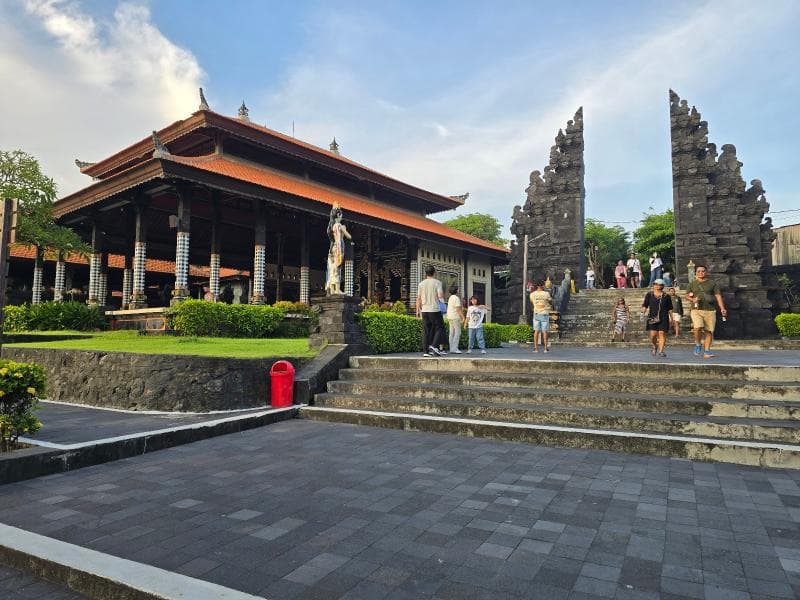
Explore the Garden Areas of Tanah Lot Temple in Bali, Indonesia, offering serene tropical landscapes, cultural insights, and breathtaking ocean views.
Overview
Beyond the iconic offshore temple, Tanah Lot offers visitors a serene landscape of lush green spaces often referred to as its 'Garden Areas'. These well-maintained tropical gardens and scenic pathways extend across the mainland clifftops, providing a tranquil contrast to the dramatic ocean vistas and the bustling activity around the main temple. They offer a comprehensive experience of both natural beauty and cultural heritage, inviting a slower pace of exploration away from the direct temple site.
The Garden Areas encompass the pathways leading to various viewpoints, smaller temples dotting the complex, and even the cultural park where traditional Balinese performances are regularly staged. These spaces are thoughtfully designed, featuring resting spots that offer shade and excellent vantage points for appreciating both the main Tanah Lot temple and the nearby Pura Batu Bolong.
As you wander through these areas, you'll find yourself immersed in Bali's rich tropical flora, with vibrant plants and meticulously kept grounds framing the breathtaking ocean scenery. This integrated approach ensures that the visitor's journey to Tanah Lot is not just about the sea temple itself, but also about the beautiful environment that surrounds it, setting the stage for a deeper cultural and spiritual understanding of this significant Balinese landmark.
History & Cultural Background
The origins of Tanah Lot Temple date back to the 16th century, attributed to the revered Hindu priest Dang Hyang Nirartha. During his travels along Bali's southern coast, he discovered the beautiful rock island, then known as Gili Beo, and recognized it as a holy site.
He instructed local fishermen to build a shrine there to worship the Balinese sea gods, primarily Dewa Baruna or Bhatara Segara, the sea god. This act established Tanah Lot as one of the seven significant sea temples strategically positioned along Bali's coastline, each within eyesight of the next, forming a spiritual chain to protect the island from malevolent sea spirits.
While the offshore temple itself is the focal point of worship and inaccessible to non-worshippers, the surrounding mainland complex, including its Garden Areas, plays a crucial role in the broader cultural and religious narrative. Smaller temples within these gardens host prayer sessions for various aspects of agrarian life, such as ensuring good rice harvests. The entire site, including the meticulously maintained pathways and gardens, reflects the Balinese people's deep spiritual connection to nature and their enduring Hindu faith.
What Makes It Special
The Garden Areas of Tanah Lot are special for their ability to blend natural beauty with spiritual significance, serving as a vital complementary element to the iconic sea temple. They provide a unique foreground to the dramatic ocean backdrop, allowing visitors to experience a multifaceted view of the site.
What truly sets these gardens apart is their role in enhancing the overall visitor journey. Convenient pathways wind through the well-kept tropical foliage, connecting various points of interest, such as Pura Batu Bolong to the north, another temple similarly built on a rock formation. These pathways are not just functional; they are designed with aesthetic pleasure in mind, leading to numerous resting spots and viewpoints that offer unparalleled photo opportunities of the main temple, especially during sunset.
Furthermore, the cultural park within the broader Garden Areas offers insights into Balinese traditions through regular dance performances, including the renowned Kecak Dance. This integration of natural landscapes, cultural presentations, and spiritual sites creates a holistic experience, ensuring that the 'Garden Areas' are much more than just green spaces; they are an integral part of the Tanah Lot's allure, making it one of Bali's most visited and cherished destinations.
Stories, Fun Facts & Local Details
Local legends intertwine with the natural elements of the Tanah Lot complex, adding depth to the Garden Areas. One popular myth recounts that Dang Hyang Nirartha, after establishing the temple, created venomous sea snakes from his sash to guard the sacred site from evil intruders. These snakes are believed to reside in the crevices at the base of the rock island, serving as protectors of the temple.
Another intriguing local belief, often shared with curious travelers, is the 'Tanah Lot Curse.' This legend suggests that unmarried couples who visit the temple together will eventually break up. Despite this popular superstition, thousands of couples continue to visit the grounds daily, often ignoring the tale to capture the stunning sunset photos.
The Garden Areas also house the Tirta Pabersihan fountain, a natural spring at the base of the rock. This spring is a source of holy water for all temples in the area, and priests at the fountain often bless visitors by sprinkling them with this sacred water, offering a direct interaction with the site's spiritual practices. The design of Tanah Lot, which symbolizes 'gods in a lake in a garden,' underscores the profound connection between the temple, its surrounding environment, and Balinese cosmology.
Visitor Perspective
For visitors exploring the Garden Areas of Tanah Lot, the experience is one of both spiritual reflection and scenic wonder. Entering the complex, travelers often walk through a series of outdoor souvenir shops and traditional snack vendors, leading them towards the oceanfront.
Once past the initial market area, the well-maintained tropical gardens and pathways unfold, providing an opportunity for a more leisurely stroll. These areas offer various strategic viewpoints from which to admire the Tanah Lot temple as it stands majestically against the crashing waves, particularly captivating during the golden hours of sunrise and sunset.
While the main temple itself is reserved for pilgrims and closed off to general visitors, the surrounding Garden Areas allow for close appreciation of the site's grandeur. During low tide, guests can walk closer to the base of the temple rock, although the inner sanctum remains off-limits to tourists. The presence of the cultural park means visitors can also enjoy traditional Balinese dance performances, which often coincide with the spectacular sunset, adding another layer to the immersive cultural experience. It is important to remember that this is a sacred site, and respectful behavior, such as appropriate dress and giving space to worshippers, is encouraged.
Coordinates: 115.08716, -8.62107
View on Google Maps💬 How Travelers Describe This Place
Based on community votes
Beautiful
836Unique
797Photogenic
396Interesting
286Must See
255
Traveler Stories
Discover memorable experiences shared by travelers who have visited this place.
No traveler stories yet.
Be the first traveler to share what made this place memorable.

Tour
By
Spot
Discover amazing places around the world. Your journey starts here.
Explore
© 2026 TourBySpot. All rights reserved.