Sofia Central Mineral Baths
Sofia, Bulgaria
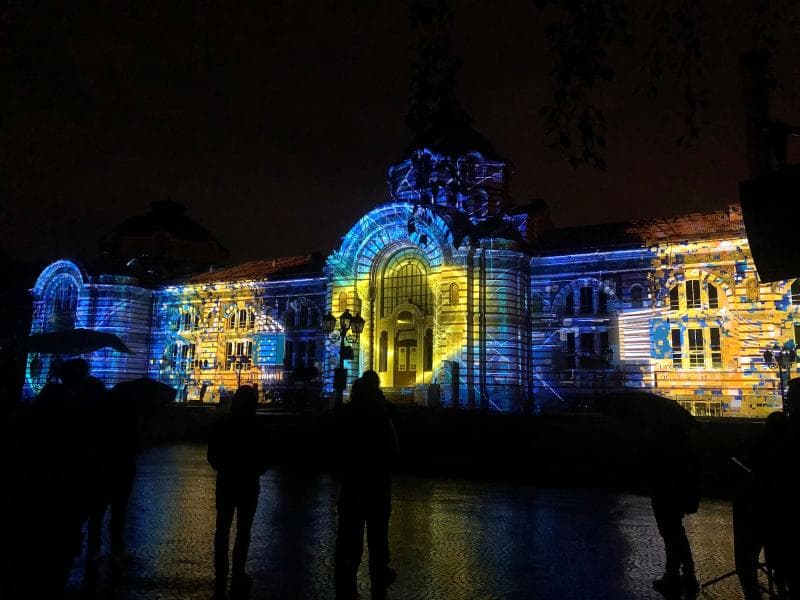
Explore Sofia Central Mineral Baths in Sofia, Bulgaria – an architectural marvel housing the Regional History Museum and famed for its public mineral springs.
Overview
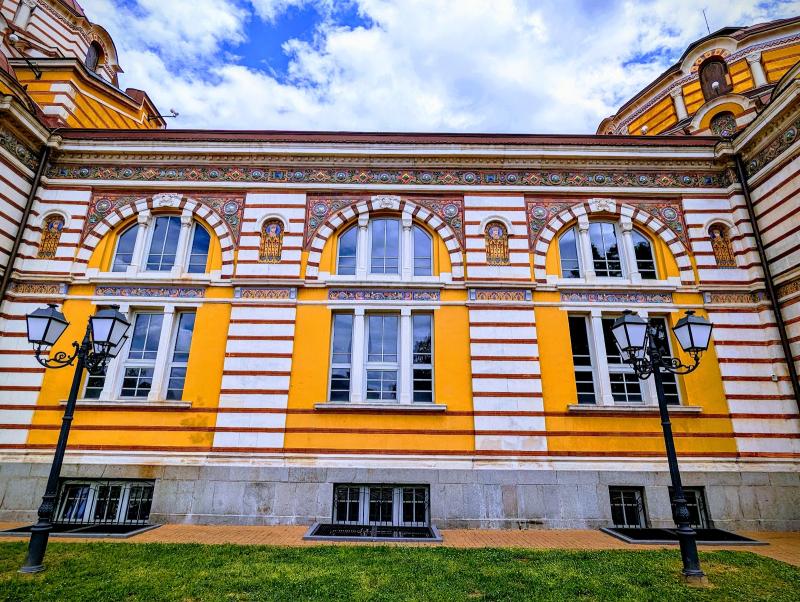
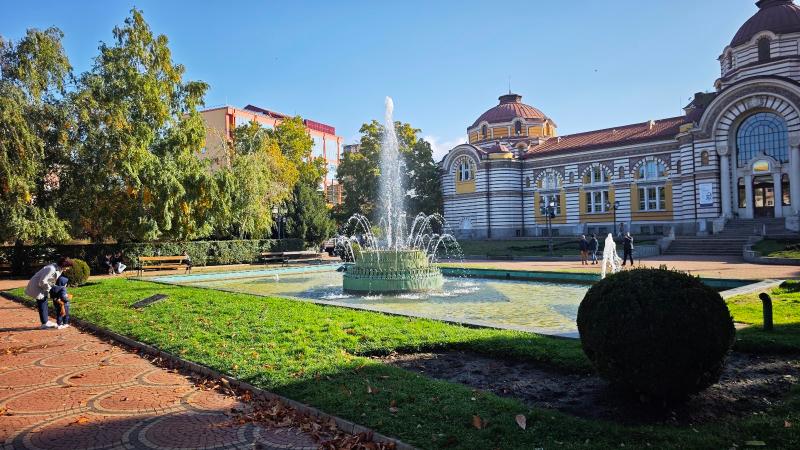
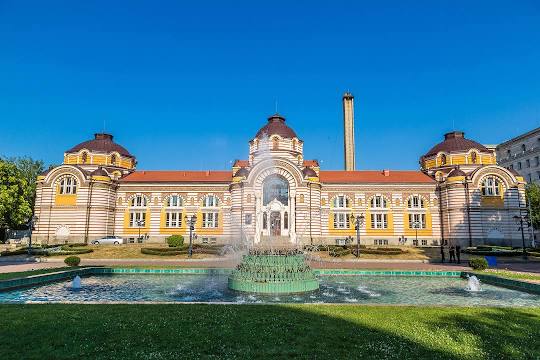
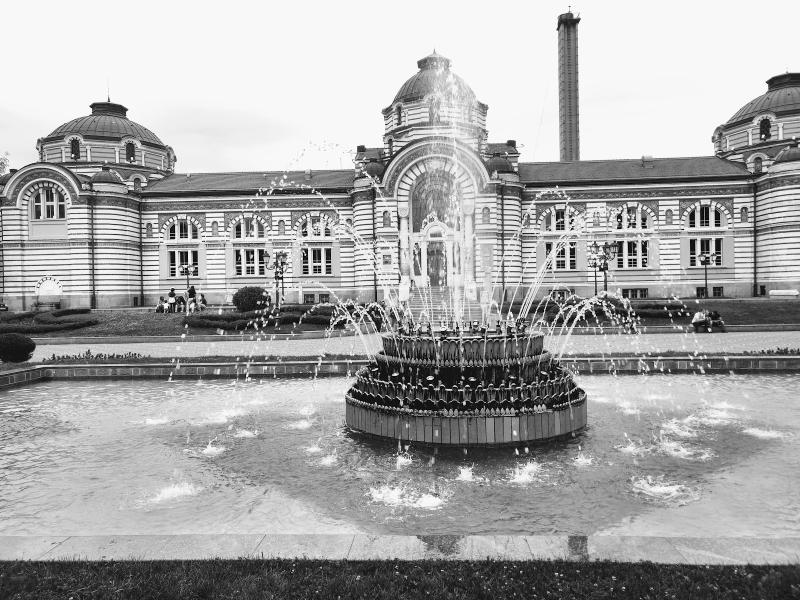
The Sofia Central Mineral Baths stand as an iconic architectural gem in the heart of Sofia, Bulgaria. This magnificent edifice, with its distinctive yellow and white facade and domes, is a testament to the city's long-standing connection with its natural thermal springs. While no longer functioning as a public bathhouse, the building proudly houses the Regional History Museum – Sofia, welcoming visitors to delve into the city's rich past. Outside, public fountains continue to gush warm, mineral-rich water, upholding a cherished local tradition where residents gather to collect this natural bounty.
Constructed between 1906 and 1913, the baths were a pivotal public institution until their closure in 1986. Today, its grandeur and historical significance make it a prominent landmark, offering both visual splendor and cultural depth to curious travelers exploring Bulgaria's capital.
History & Cultural Background
Sofia's history is inextricably linked to its mineral waters, with public baths existing in the area since at least the 16th century, and even dating back to Roman times when the city was known as Serdica. The current Central Mineral Baths building replaced older Ottoman-era thermal facilities, reflecting a continuous tradition of utilizing these healing springs.
The design of this early 20th-century masterpiece was a collaborative effort by Austrian architect Friedrich Grünanger and Bulgarian architect Petko Momchilov. They conceived a structure that blends the elegant Vienna Secession style with typically Bulgarian, Byzantine, and Eastern Orthodox ornamental elements, creating a unique aesthetic often described as National Romanticism. Artists Haralampi Tachev and St. Dimitrov were responsible for the vibrant ceramic majolica decoration that adorns its exterior.
The baths officially opened in May 1913 and served as a vital public space for health and socialization for decades. However, after enduring damage during the bombing of Sofia in World War II and subsequent restoration, the building eventually closed its doors in 1986 due to its deteriorating condition. It remained largely derelict for years until extensive renovations paved the way for its reopening in September 2015 as the Sofia Regional History Museum, a decision that, while preserving the building, was met with mixed feelings by some locals who longed for the return of its original function.
What Makes It Special
The Central Mineral Baths are exceptional for several reasons. Foremost is its breathtaking architecture. The building is a harmonious fusion of styles, featuring ornate facades with colorful majolica tiles, elegant arches, and prominent domes topped with copper. The ceramic artwork, including images of Apollo Medicus, the god of health, and Tyche, the patroness of towns, speak to its original purpose and cultural significance.
Beyond its visual appeal, the site's connection to Sofia's mineral springs remains a powerful draw. Even though the interior no longer functions as a bathhouse, several public fountains outside provide free access to the warm, therapeutic mineral water, flowing at approximately 33°C (91.4°F). This allows visitors to partake in a centuries-old tradition, filling bottles and experiencing a living piece of Sofia's heritage.
Furthermore, its transformation into the Sofia Regional History Museum has given this historic landmark a new lease on life. The museum chronicles Sofia's extensive history through a diverse collection of artifacts, from Neolithic pottery to royal carriages, offering deep insights into the city's evolution. It's a place where the past physical healing functions have given way to cultural and historical enrichment.
Stories, Fun Facts & Local Details
One of the most charming local traditions revolves around the mineral water fountains outside the baths. It's common to see locals, from all walks of life, queuing with empty bottles and large jugs to collect the naturally hot water. This daily ritual is not merely about hydration; it's a social occasion, a place where people connect, exchange news, and perhaps, as local lore suggests, even share gossip, continuing a practice that has endured for generations.
The mineral water itself is revered for its purported therapeutic qualities, believed to aid in various ailments, echoing the ancient Roman appreciation for Sofia's healing springs. In its active days, the bathhouse was a bustling social hub, a place where citizens would relax, socialize, and discuss the events of the day.
Interestingly, the initial choice to convert the building into a museum was a controversial one, with many citizens advocating for its return to a functioning bathhouse. This sentiment persists, with ongoing public campaigns pushing for at least one wing of the elegant building to be repurposed for bathing once again, highlighting the deep cultural attachment Sofia's residents have to their mineral waters.
Visitor Perspective
Visiting the Sofia Central Mineral Baths today offers a multifaceted experience. The exterior of the building itself is a prime photographic subject, showcasing its unique blend of architectural styles. The surrounding park provides a peaceful setting for a stroll, allowing visitors to appreciate the grandeur of the facade and its intricate details.
A visit to the Regional History Museum inside is highly recommended for anyone interested in understanding Sofia's extensive past. The exhibits are thoughtfully curated, guiding visitors through different epochs of the city's history. While the thermal pools within are no longer active for bathing, the visible remnants and the information provided offer a glimpse into their former glory.
Don't miss the opportunity to taste or collect the mineral water from the public fountains. It's a simple yet profound way to connect with a living tradition and experience Sofia like a local. Whether you're a history enthusiast, an architecture admirer, or simply a curious traveler, the Central Mineral Baths offer a unique insight into the soul of Sofia.
Coordinates: 23.323756, 42.6998
View on Google Maps💬 How Travelers Describe This Place
Based on community votes
Beautiful
556Interesting
470Photogenic
410Unique
254Must See
145
Traveler Stories
Discover memorable experiences shared by travelers who have visited this place.
No traveler stories yet.
Be the first traveler to share what made this place memorable.
Things to see at Sofia Central Mineral Baths



Tour
By
Spot
Discover amazing places around the world. Your journey starts here.
Explore
© 2026 TourBySpot. All rights reserved.