Shinjuku
Tokyo, Japan
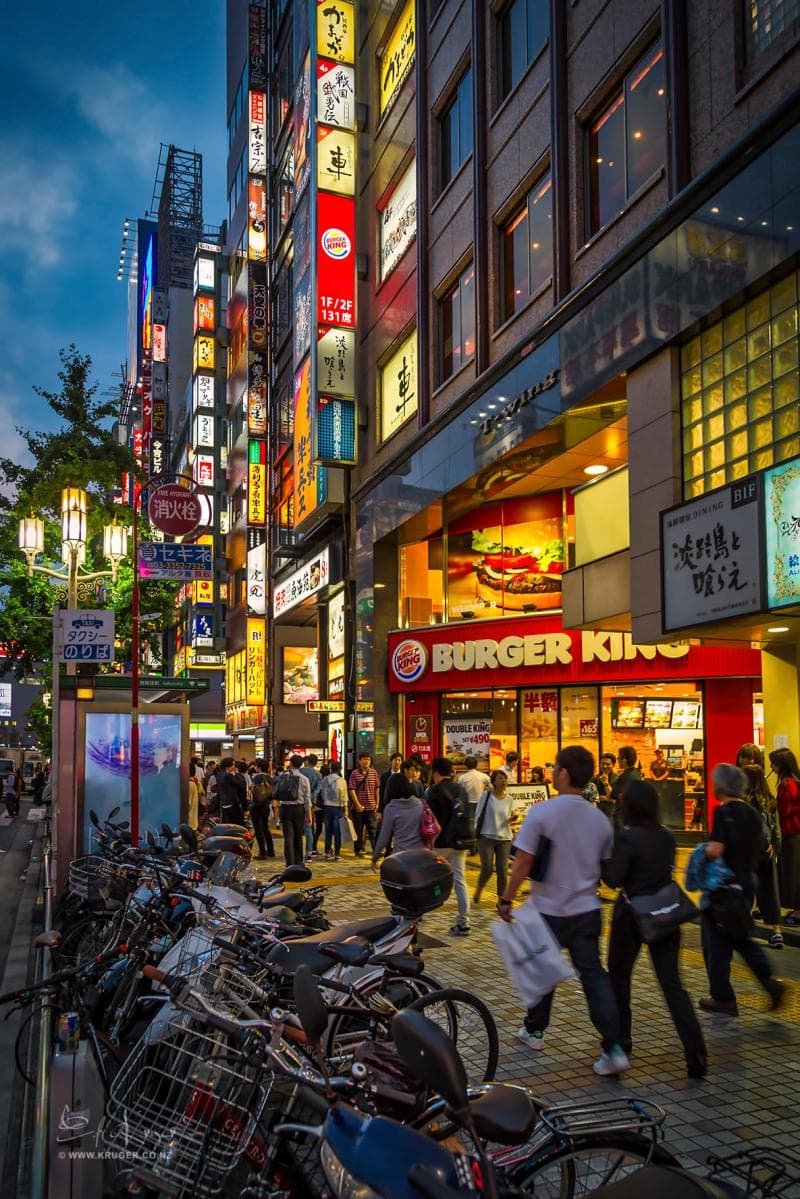
Explore Shinjuku, Tokyo, Japan – a vibrant district home to the world's busiest station, skyscrapers, peaceful gardens, and neon-lit nightlife.
Overview
Shinjuku, nestled within the bustling heart of Tokyo, Japan, stands as a dynamic and multifaceted district, a true microcosm of the city's contrasts. It is an urban landscape where towering skyscrapers meet serene traditional gardens, and neon-lit entertainment hubs coexist with quiet residential areas. Often synonymous with its colossal Shinjuku Station, globally recognized as the world's busiest railway station, Shinjuku serves as a pivotal transportation nexus and a vibrant center for commerce, culture, and entertainment. Visitors are drawn to its energetic atmosphere and the sheer diversity of experiences it offers, from panoramic city views to tranquil green spaces, all within easy reach.
History & Cultural Background
The origins of Shinjuku trace back to the Edo period (1603-1868) when it served as Naito Shinjuku, a vital post town along the Koshu Kaido, one of Japan's five major routes. This strategic location made it a significant resting point for travelers. Following the Meiji Restoration, the area transformed, with a portion of the former Naito family estate becoming an experimental agricultural station before its eventual metamorphosis into the Shinjuku Gyoen National Garden. Shinjuku's resilience was notably demonstrated after the Great Kanto Earthquake of 1923, which devastated much of Tokyo, leaving Shinjuku relatively intact and thus accelerating its growth as a commercial center. Post-World War II reconstruction further propelled its development, with large portions of the city's business infrastructure relocating here. The area envisioned as a 'cultural district' after the war eventually evolved into what is now Kabukicho, a famous entertainment district.
What Makes It Special
Shinjuku's unique character lies in its extraordinary blend of modern marvels and historical pockets. The Tokyo Metropolitan Government Building, with its distinctive twin towers, offers free observation decks providing breathtaking, 360-degree views of the sprawling city, and on clear days, even Mount Fuji. In stark contrast to the urban high-rises is the expansive Shinjuku Gyoen National Garden, a former imperial garden that harmoniously combines Japanese traditional, French Formal, and English Landscape garden styles, offering a peaceful retreat amidst the urban bustle. For those seeking vibrant nightlife and entertainment, Kabukicho is a sensory overload of neon signs, restaurants, bars, and themed establishments, including the iconic Godzilla head overlooking the streets. Adjacent to Kabukicho, the historic Golden Gai district transports visitors back in time with its narrow alleys packed with over 200 tiny, shanty-style bars, each seating only a handful of patrons, preserving a unique slice of old Tokyo.
Stories, Fun Facts & Local Details
Shinjuku Station holds the official Guinness World Record as the world's busiest railway station, serving millions of passengers daily, making it a monumental hub that is almost a city in itself with over 200 exits and numerous platforms across five different railway operators. Navigating its vastness can be an experience in itself, with entire underground malls and restaurants integrated into the station complex. Golden Gai, with its ramshackle, two-story wooden buildings, miraculously survived both World War II bombings and subsequent redevelopment efforts, largely due to the collective efforts of its bar owners to protect the area. Historically, it was a gathering place for writers, artists, and cultural figures, contributing significantly to Tokyo's subculture. Many of its bars are so small they can accommodate fewer than ten people, fostering intimate conversations. Kabukicho, while known for its lively entertainment, was originally conceived as a district centered around a kabuki theater, a plan that never fully materialized, leading to its evolution into the vibrant and sometimes notorious district it is today. The Godzilla head atop the Toho Building has become a beloved local landmark.
Visitor Perspective
Experiencing Shinjuku is a journey through contrasting worlds. One moment, you might be gazing at Tokyo's sprawling skyline from a skyscraper observatory; the next, you're strolling through the meticulously manicured lawns of Shinjuku Gyoen, a peaceful oasis. As evening falls, the district transforms into a dazzling spectacle of lights and sounds, particularly in areas like Kabukicho and Golden Gai, offering a glimpse into Tokyo's electrifying nightlife. Despite its immense size and complexity, especially around Shinjuku Station, the area is surprisingly navigable once one understands its layout. Clear signage and readily available maps assist in exploring its various zones, from the business-focused west side to the entertainment-rich east. Shinjuku truly embodies Tokyo's dynamic energy, seamlessly blending tradition with groundbreaking modernity, offering an unforgettable and uniquely Japanese urban adventure.
Coordinates: 139.703549, 35.69384
View on Google Maps💬 How Travelers Describe This Place
Based on community votes
Must See
777Interesting
602Unique
600Photogenic
194Beautiful
81
Traveler Stories
Discover memorable experiences shared by travelers who have visited this place.
No traveler stories yet.
Be the first traveler to share what made this place memorable.
Things to see at Shinjuku



Tour
By
Spot
Discover amazing places around the world. Your journey starts here.
Explore
© 2026 TourBySpot. All rights reserved.