Golden Gai
Tokyo, Japan
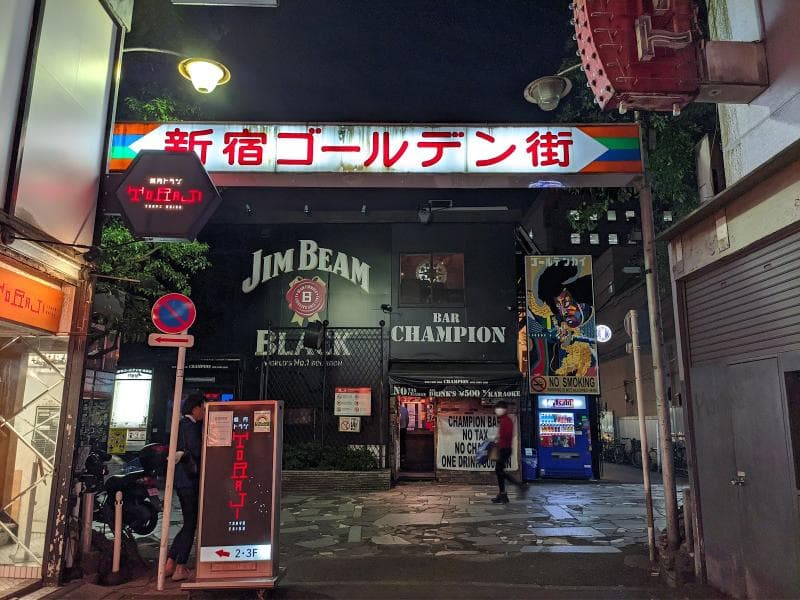
Discover Golden Gai in Shinjuku, Tokyo, Japan – a nostalgic maze of tiny bars, rich in post-WWII history and unique cultural charm.
Overview
Tucked away in a labyrinthine grid of narrow alleys within Shinjuku's bustling Kabukicho district, Golden Gai in Tokyo, Japan, offers a captivating journey back in time. This unique sub-spot is famously characterized by its six minuscule streets, crisscrossed by even tinier passageways, housing over 200 miniature bars. These establishments, often no more than two stories high, typically seat a mere 5 to 10 patrons, fostering an incredibly intimate atmosphere. Unlike the sleek, ultramodern high-rises that dominate much of Shinjuku, Golden Gai has miraculously preserved its rustic, post-World War II charm and Showa-era aesthetic. It stands as a living relic, a testament to Tokyo's enduring cultural spirit and a must-visit for those seeking an authentic glimpse into Japan's distinctive drinking culture.
History & Cultural Background
Golden Gai's origins trace back to the immediate aftermath of World War II, specifically around 1947, when the area began as a black market. By the 1950s, it evolved into a prominent red-light district. However, a significant turning point arrived in 1958 when prostitution was outlawed in Japan. Following this, many of the existing structures were repurposed, transforming the district into the vibrant drinking quarter it is today, remarkably preserving its original architectural layout.
From the 1960s into the 1970s, Golden Gai cemented its reputation as a haven for artists, writers, musicians, and various creative and intellectual figures. It became known as 'Bunkajin no Machi', or 'Town of Cultured People', attracting celebrities and fostering Tokyo's subculture and underground arts scene. This bohemian identity continues to resonate within its alleys. The area faced existential threats in the 1980s during Japan's economic bubble, as land sharks and organized crime (yakuza) attempted to force redevelopment through suspicious arsons. However, a concerted effort by bar owners and local supporters, who took turns guarding the district at night, saved Golden Gai from being bulldozed, solidifying its status as a cherished cultural treasure.
What Makes It Special
The true magic of Golden Gai lies in its striking contrast to the surrounding modernity of Shinjuku. It offers a rare window into Tokyo's past, characterized by its remarkably preserved shanty-style, wooden two-story buildings and impossibly narrow alleys, too tight for cars. This 'time capsule' quality makes it an architectural marvel.
Furthermore, Golden Gai boasts over 200 independently owned bars, each possessing a distinct personality, theme, and decor. From jazz and punk rock establishments to film buffs' haunts and poetry bars, the diversity is astounding. The small, intimate spaces, typically accommodating only a handful of guests, encourage close interaction. This unique setup fosters a cozy atmosphere and often leads to engaging conversations between patrons and the bar owners, many of whom have been running their establishments for decades. The district's stubborn resilience against the relentless tide of urban development further adds to its special, almost defiant, charm.
Stories, Fun Facts & Local Details
Golden Gai has always been a place for stories. It's said that in its heyday, writers like Kenji Nakagami and Ryūzō Saki were regulars, contributing to its fame as an intellectual hub. The sheer variety of its bars means there's a niche for everyone; some bars even dedicate themselves to specific interests, creating micro-communities around shared passions.
A common practice in Golden Gai is the 'cover charge', typically ranging from ¥700 to ¥2,000. This isn't a scam but rather an essential 'table charge' that helps bar owners maintain their tiny, unique spaces. Many bars operate on a cash-only basis, making it prudent for visitors to carry yen. Due to its private nature and the desire to preserve intimacy, photography, especially of people or bar interiors, is often prohibited without explicit permission. Bar hopping is a favored activity here; rather than staying in one place all night, patrons often enjoy a drink or two in one bar before moving to another, experiencing the area's diverse offerings. Many bartenders are long-standing fixtures, some having served drinks for over 40 years, becoming custodians of the area's history and anecdotes.
Visitor Perspective
Golden Gai truly comes alive in the evening, with most bars opening between 7:00 PM and 9:00 PM and staying open well into the early hours. For a more relaxed experience, weekday evenings are generally less crowded. First-time visitors might find the sheer number of tiny, often curtained, establishments a bit daunting. A good tip is to look for bars displaying English signs, menus, or 'no charge for travellers' notices, as these indicate a welcoming environment for international guests.
When entering, politely inquire about the cover charge. Engaging with the bartender, even with limited Japanese, can lead to memorable interactions, as many enjoy practicing English and sharing stories. Given the bars' small size, it's considered good etiquette to move on after a couple of drinks if the bar is full, allowing others to enjoy the space. Also, be mindful of noise levels, particularly late at night, as residential apartments are located above many establishments. Most bars do not serve full meals, so it's advisable to dine beforehand; nearby Omoide Yokocho is a popular spot for this. Approaching Golden Gai with an open mind and respect for its unique customs will ensure an unforgettable experience in this cherished corner of Tokyo.
Coordinates: 139.70472, 35.69389
View on Google Maps💬 How Travelers Describe This Place
Based on community votes
Interesting
853Must See
667Unique
190Photogenic
93Beautiful
32
Traveler Stories
Discover memorable experiences shared by travelers who have visited this place.
No traveler stories yet.
Be the first traveler to share what made this place memorable.

Tour
By
Spot
Discover amazing places around the world. Your journey starts here.
Explore
© 2026 TourBySpot. All rights reserved.