Tokyo Metropolitan Government Building
Tokyo, Japan
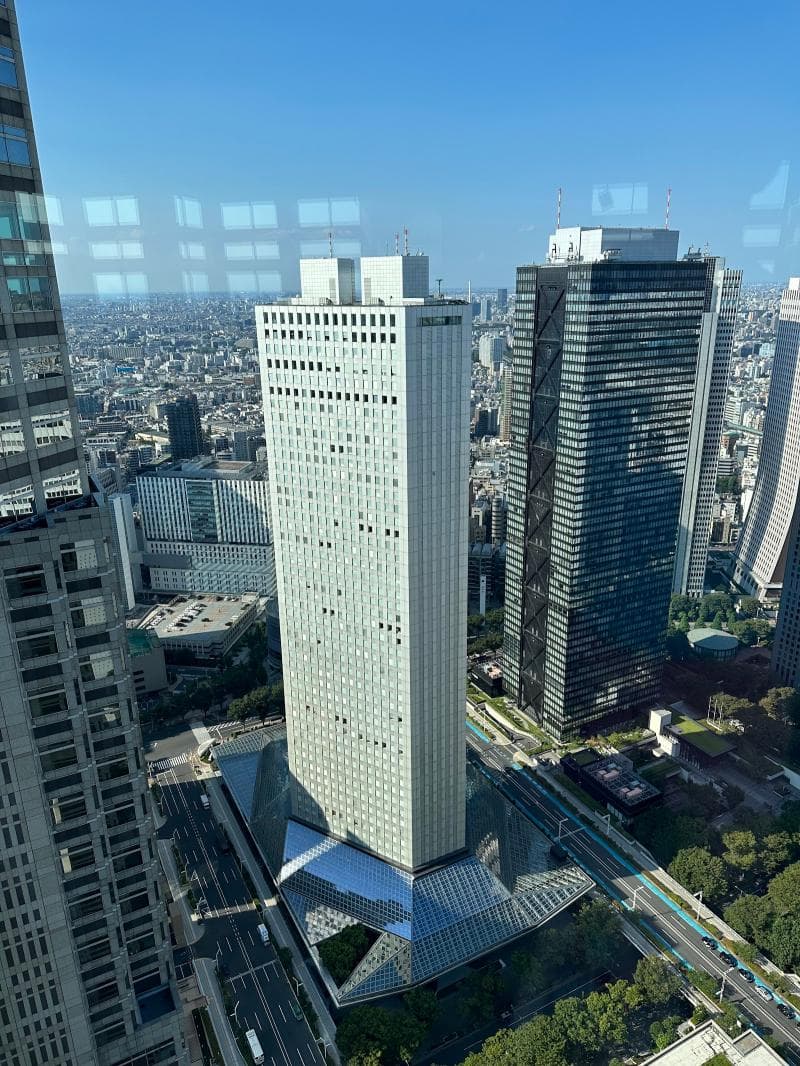
Explore the Tokyo Metropolitan Government Building in Shinjuku, Tokyo, Japan. Enjoy free panoramic city views from its observation decks.
Overview
In the vibrant heart of Shinjuku, Tokyo, Japan, stands the Tokyo Metropolitan Government Building, an architectural marvel often referred to as Tochō. It serves as the headquarters for the Tokyo Metropolitan Government, managing the vast metropolis comprising its special wards, cities, towns, and villages. This complex features three distinct structures, with the towering Main Building No. 1 commanding attention at 243 meters (797 feet) high. Designed by the acclaimed architect Kenzo Tange, this impressive structure was completed in 1990 and opened its doors in 1991. What truly sets it apart for visitors are its two observation decks, located on the 45th floor of Main Building No. 1, offering breathtaking panoramic views of the city from a height of 202 meters – all completely free of charge.
History & Cultural Background
The Tokyo Metropolitan Government Building's history is relatively recent but impactful. Its construction began in April 1988 and concluded in December 1990, with the complex becoming fully operational in April 1991. The grand project cost approximately ¥157 billion (around US$1 billion at the time) of public funds. This new facility replaced an older city hall located in Yūrakuchō, also designed by Kenzo Tange in 1957. For many years, until 2007, the Tokyo Metropolitan Government Building stood as the tallest structure in Tokyo, a testament to its imposing presence in the city's skyline. Tange's vision for the building was ambitious, drawing inspiration from two seemingly disparate concepts: the intricate patterns of an integrated circuit and the majestic, soaring lines of a Gothic cathedral.
What Makes It Special
Beyond its administrative function, the Tokyo Metropolitan Government Building offers an unparalleled urban experience. Its free observation decks are a major draw, providing visitors with sweeping 360-degree vistas of Tokyo. On clear days, the views can extend to iconic landmarks like the Tokyo Skytree, Tokyo Tower, and even the majestic Mount Fuji in the distance. The building holds the distinction of being the tallest city hall in the world. Furthermore, in February 2024, it gained Guinness World Record recognition for hosting the world's largest projection mapping display, transforming its facade into a colossal canvas of light and art in the evenings. Inside, visitors can also find a comprehensive tourist information center, souvenir shops, and even a 'Tocho Omoide Piano'—a free-to-play piano that adds a touch of musical charm to the south observation deck.
Stories, Fun Facts & Local Details
The distinctive silhouette of the Tokyo Metropolitan Government Building has become an indelible part of Tokyo's cultural landscape. It has frequently appeared in Japanese science fiction and anime, serving as a backdrop or symbol of authority in works like 'Godzilla vs. King Ghidorah,' '5 Centimeters per Second,' and 'Your Name.' For those hoping to catch a glimpse of Mount Fuji from the observation decks, clear winter mornings often provide the best visibility due to less haze in the air. The building also features charming local touches, such as a grand kumade, a decorative bamboo rake traditionally believed to bring good fortune and business success, prominently displayed on the second floor. The Tokyo Metropolitan Government maintains real-time information on observation deck congestion, a useful tip for planning your visit and avoiding long queues.
Visitor Perspective
Visiting the Tokyo Metropolitan Government Building is a straightforward and rewarding experience. Entry to the observation decks is always free, though visitors will undergo a bag check as part of security measures. Dedicated elevators whisk guests up to the 45th floor in a mere 55 seconds. There are two observatories, North and South, each with slightly different operating hours and closure days. The South Observation Deck generally stays open later, often offering better opportunities for night views. To make the most of your visit, consider arriving just before sunset to witness the transition from daylight vistas to the glittering cityscape at night. To avoid peak crowds, especially on weekends, an insider tip is to visit on a weekday evening or head to the north tower observation deck first, as it tends to be less crowded. The decks include cafes and gift shops, allowing for a relaxing break while enjoying the views or picking up unique Tokyo souvenirs.
Coordinates: 139.69222, 35.68972
View on Google Maps💬 How Travelers Describe This Place
Based on community votes
Photogenic
972Unique
726Interesting
720Must See
597Beautiful
300
Traveler Stories
Discover memorable experiences shared by travelers who have visited this place.
No traveler stories yet.
Be the first traveler to share what made this place memorable.

Tour
By
Spot
Discover amazing places around the world. Your journey starts here.
Explore
© 2026 TourBySpot. All rights reserved.