Shinjuku Gyoen
Tokyo, Japan
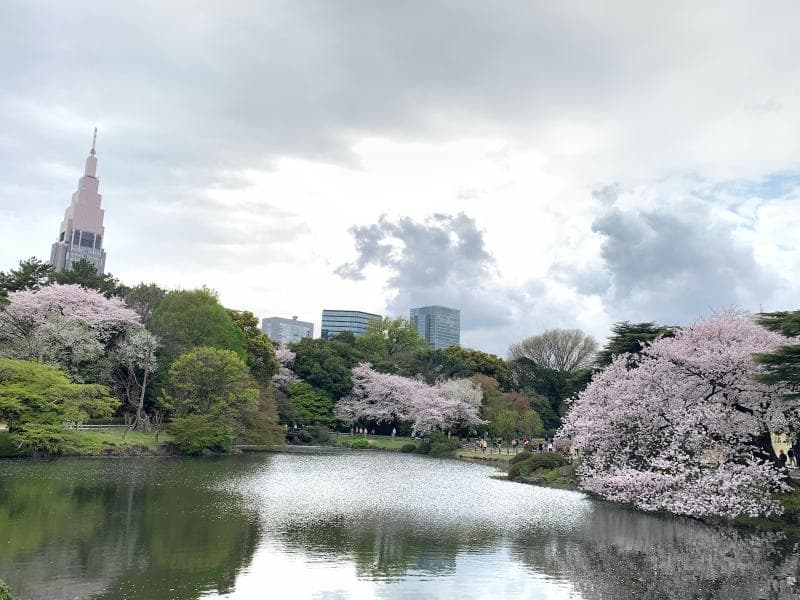
Escape to Shinjuku Gyoen National Garden in Tokyo, Japan. Discover a peaceful oasis blending Japanese, English, and French garden styles.
Overview
Tucked amidst the vibrant urban landscape of Shinjuku, a bustling district in Tokyo, Japan, lies the serene oasis of Shinjuku Gyoen National Garden. This expansive park, covering 58.3 hectares (144 acres), offers a breathtaking escape from the city's ceaseless energy, inviting visitors to immerse themselves in nature's tranquility. What makes Shinjuku Gyoen truly remarkable is its harmonious blend of three distinct garden styles: a traditional Japanese landscape garden, a meticulously designed English landscape garden, and a formal French garden. This fusion of Eastern and Western horticultural artistry creates a unique and captivating experience, making it a cherished destination for both locals and international travelers. The garden is renowned for its seasonal beauty, particularly its vibrant cherry blossoms in spring and its stunning autumn foliage, drawing admirers from around the globe.
History & Cultural Background
The origins of Shinjuku Gyoen stretch back to the Edo Period (1603-1868), when the land served as a private residence for Lord Naito, a feudal lord. In 1772, the Naito family completed a garden on this site. Following the Meiji Restoration in 1868, the estate underwent a transformation, first becoming an experimental agricultural center and then, in 1879, the Shinjuku Imperial Botanical Garden. Its evolution into the imperial garden we largely recognize today began in 1906, with its present layout meticulously crafted, notably influenced by the French landscape architect Henri Martinet. This period saw it become a private retreat for the Imperial Family, nobles, and their esteemed guests, also serving as a venue for international diplomacy. However, the garden suffered immense damage during the air raids of World War II in 1945. After the war, it was painstakingly rebuilt and, in 1949, opened to the public as Shinjuku Gyoen National Garden, now under the jurisdiction of Japan's Ministry of the Environment. A poignant moment in its history occurred in 1989 when it hosted the state funeral rites for Emperor Showa, a testament to its enduring significance to the Imperial Family.
What Makes It Special
Shinjuku Gyoen's most distinguishing feature is its remarkable integration of three diverse garden styles. The traditional Japanese landscape garden, with its serene ponds, artfully placed islands connected by bridges, and elegant tea houses, embodies a profound sense of peace and harmony. Visitors can stroll along winding paths, each turn revealing a carefully composed vista. In stark contrast, the French Formal Garden presents a symmetrical design characterized by straight, tree-lined paths and meticulously arranged flower beds, particularly known for its abundant roses. The English Landscape Garden offers a more open and naturalistic aesthetic, featuring sprawling lawns ideal for relaxation and shaded by various trees, including a spectacular collection of cherry trees. Beyond these primary landscapes, the garden boasts a rich botanical diversity, home to over 20,000 trees, including around 1,500 cherry trees of numerous varieties, ensuring an extended blooming season from late March to late April. The Shinjuku Gyoen Greenhouse is another highlight, showcasing a vibrant collection of tropical and subtropical plants, including rare orchids and endangered species. Historically, this greenhouse has played a pioneering role in Japanese horticulture. Adding to its historical charm is the Taiwan Pavilion (Kyu Goryotei), an authentic Chinese-style structure that remarkably survived the wartime devastation.
Stories, Fun Facts & Local Details
Shinjuku Gyoen holds a special place in the hearts of many, including the late Emperor Showa, who considered it an important part of his childhood. His state funeral rites were conducted here in 1989, underscoring the garden's deep historical and personal connections to the Imperial Family. A delightful detail is that the Taiwan Pavilion, a striking Chinese architectural piece, was a gift from Japanese residents in Taiwan to commemorate Emperor Showa's wedding. The garden is also famously depicted in Makoto Shinkai's 2013 anime film, 'The Garden of Words', with many scenes drawing directly from the park's scenic beauty. Horticultural enthusiasts will appreciate that plane trees, now common in Japan, were first cultivated on this very site. During cherry blossom season, the English Landscape Garden, with its hundreds of Somei Yoshino trees, becomes a particularly popular spot for 'hanami' (flower viewing). Interestingly, Shinjuku Gyoen enforces a strict no-alcohol policy, contributing to a noticeably calmer and more serene atmosphere compared to some other public parks in Tokyo. This policy fosters a peaceful environment, perfect for quiet contemplation. Annually, the garden hosts a celebrated Chrysanthemum Exhibition from November 1st to 15th, an event originally organized exclusively for the Imperial Family but now open for public appreciation.
Visitor Perspective
For visitors seeking a peaceful respite from the urban rush, Shinjuku Gyoen National Garden offers an unparalleled experience. It is easily accessible, typically a 10-minute walk from Shinjuku Station or a 5-minute walk from Shinjukugyoenmae Station. With three entry gates—Shinjuku Gate, Okido Gate, and Sendagaya Gate—travelers can choose the most convenient access point, with Sendagaya Gate sometimes offering shorter queues during peak times. An admission fee of 500 yen for adults grants entry to this magnificent retreat, with options for cashless payments. While opening hours vary seasonally, the garden is generally open from 9:00 AM, closing earlier in winter and later in summer. It is usually closed on Mondays, except during the highly popular cherry blossom and chrysanthemum exhibition seasons, when it remains open every day. Visitors can comfortably spend one to two hours exploring the diverse landscapes, enjoying leisurely strolls, and capturing beautiful photographs. The park encourages a respectful atmosphere, banning alcohol and sports equipment to maintain its tranquil ambiance. Amenities include cafes, shops selling unique Shinjuku Gyoen merchandise, and even a Starbucks with garden views, providing comfortable spots to relax and enjoy the scenery. Re-entry on the same day is permitted, allowing for flexible exploration.
Coordinates: 139.7085, 35.6853
View on Google Maps💬 How Travelers Describe This Place
Based on community votes
Photogenic
722Interesting
698Must See
465Beautiful
276Unique
126
Traveler Stories
Discover memorable experiences shared by travelers who have visited this place.
No traveler stories yet.
Be the first traveler to share what made this place memorable.

Tour
By
Spot
Discover amazing places around the world. Your journey starts here.
Explore
© 2026 TourBySpot. All rights reserved.