Shinjuku Station
Tokyo, Japan
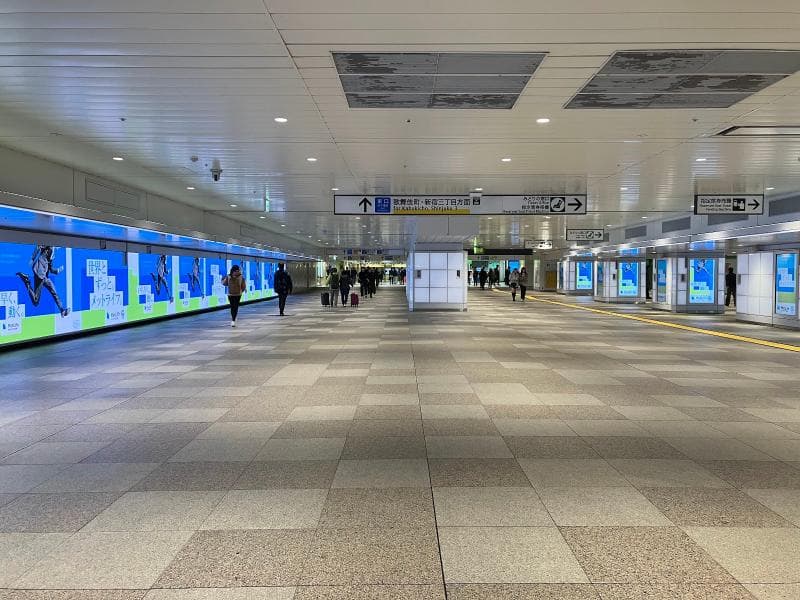
Explore Shinjuku Station in Tokyo, Japan – the world's busiest railway hub. Discover its rich history, unique culture, and dynamic surrounding districts.
Overview
Shinjuku Station, nestled in the vibrant heart of Tokyo, Japan, is far more than just a transportation hub; it is a microcosm of the city itself. Recognized by Guinness World Records as the busiest railway station globally, it hums with the energy of approximately 3.5 to 3.6 million passengers daily. This colossal complex seamlessly integrates multiple railway and subway lines, acting as a critical artery connecting central Tokyo with its sprawling western suburbs and beyond. Its immense scale, with over 200 exits and a labyrinthine network of passages, can initially feel overwhelming, yet it functions with a remarkable, almost balletic, efficiency that is uniquely Tokyo.
Beyond its functional role, Shinjuku Station serves as a gateway to an incredibly diverse district, where towering skyscrapers meet bustling entertainment areas and tranquil green spaces. Whether you are seeking neon-lit nightlife, world-class shopping, serene gardens, or panoramic city views, your journey through Shinjuku often begins and ends at this iconic station.
History & Cultural Background
The story of Shinjuku Station mirrors Japan's profound transformation from a feudal society to a modern economic powerhouse. The name 'Shinjuku' itself, meaning 'new lodgings', harks back to the Edo period (1600-1867), when the area, then known as Naito-Shinjuku, was a post-station town providing rest for samurai traveling the Koshu-kaido highway. The station we know today officially opened its doors in 1885 as a modest stop on the Akabane-Shinagawa line, which would later become part of the famous Yamanote Line.
Its initial growth was slow, as communities sometimes resisted new railway lines. However, the subsequent addition of major lines like the Chuo, Keio, and Odakyu lines, coupled with Japan's rapid modernization, propelled Shinjuku into a pivotal transport nexus. After the devastation of World War II, Shinjuku Station and its surrounding areas played a crucial role in the city's reconstruction. A black market, famously proclaimed 'The Light Shines from Shinjuku', emerged just five days after Japan's surrender at the East Exit, symbolizing resilience and rebirth. This historical context imbues the station with a deep cultural significance, making it not just a transit point, but a symbol of Tokyo's dynamic evolution.
What Makes It Special
What truly sets Shinjuku Station apart is its unparalleled scale and the intricate fusion of functionality and urban life. It is not merely a station but a sprawling underground city, a complex of five interconnected stations operated by multiple railway companies, including JR East, Keio, Odakyu, Tokyo Metro, and Toei Subway. This intricate web boasts a staggering 35 platforms, expanding to 52 when considering adjacent connected stations, all serviced by an almost unimaginable 200-plus exits.
The surrounding district is equally remarkable. To the west lies the 'Skyscraper District', home to the Tokyo Metropolitan Government Offices with its public observation decks, offering breathtaking city views. The east side pulsates with the lively entertainment areas of Kabukicho, Golden Gai, and Omoide Yokocho, brimming with dining and nightlife options. Directly linked to the station are vast underground shopping malls and department stores like Lumine and Takashimaya Times Square, transforming transit into a retail adventure. This seamless integration of transport, commerce, and entertainment creates an urban ecosystem unlike any other.
Stories, Fun Facts & Local Details
Shinjuku Station often inspires a sense of awe and sometimes, mild panic, in first-time visitors due to its sheer size. Yet, locals navigate its 'orderly chaos' with practiced ease, a testament to Japanese efficiency and the station's surprisingly intuitive signage if one knows what to look for. A fascinating detail is its origin as 'new lodgings', reflecting a time when weary travelers and samurai would find respite here, a stark contrast to today's constant flow of commuters. The station's enduring presence in popular culture, from films like 'Lost in Translation' to anime such as 'Digimon Adventure', underscores its status as an iconic backdrop for stories set in modern Tokyo.
For those seeking unique experiences, the diverse character of the areas immediately surrounding the station offers a glimpse into Tokyo's multifaceted soul. The bustling pedestrian crossings outside the main exits, with millions of people moving in choreographed harmony, offer a compelling spectacle. It is a place where you can observe the quiet dignity of daily commuters alongside the vibrant energy of nightlife revelers, all coexisting within this monumental urban space.
Visitor Perspective
Navigating Shinjuku Station can be an adventure in itself, but with a few pointers, it becomes a manageable and even enjoyable experience. The key is to think of the station not as a single entity, but as a collection of smaller, distinct areas, each with its own character and purpose. It is highly recommended to pinpoint your exact exit (East, West, South, or New South) before arriving, as signage within the station is often geared towards these named exits rather than just general directions.
Once you exit, you emerge into vastly different worlds: the business towers of the West, the electric entertainment of the East, or the shopping and bus terminals of the South. Utilizing digital tools like Google Maps or the Japan Official Travel App, which often provide exit-specific directions, can greatly enhance your confidence. Allow extra time for transfers, not just for travel between platforms, but also for the sheer experience of observing the human flow. Shinjuku Station is an unmissable part of the Tokyo experience, offering a profound sense of the city's dynamism and an unforgettable memory of its pulsating heart.
Coordinates: 139.69944, 35.69056
View on Google Maps💬 How Travelers Describe This Place
Based on community votes
Must See
886Beautiful
564Unique
201Interesting
121Photogenic
87
Traveler Stories
Discover memorable experiences shared by travelers who have visited this place.
No traveler stories yet.
Be the first traveler to share what made this place memorable.

Tour
By
Spot
Discover amazing places around the world. Your journey starts here.
Explore
© 2026 TourBySpot. All rights reserved.