Sainte-Chapelle
Paris, France
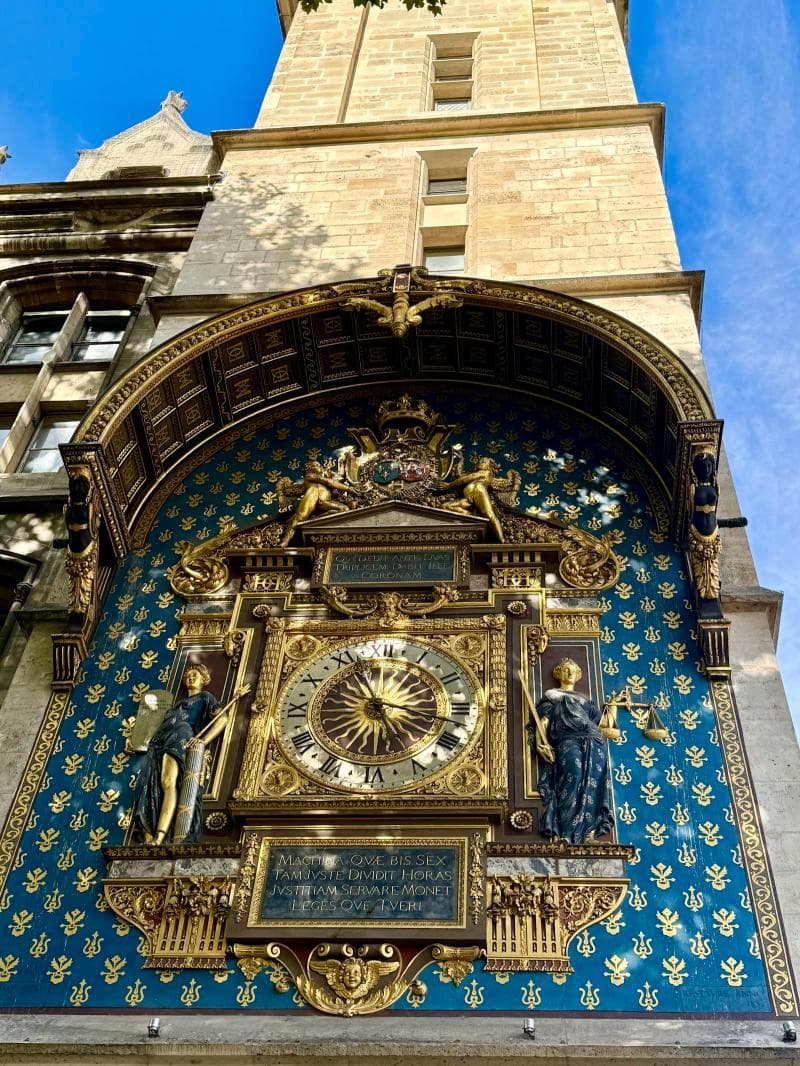
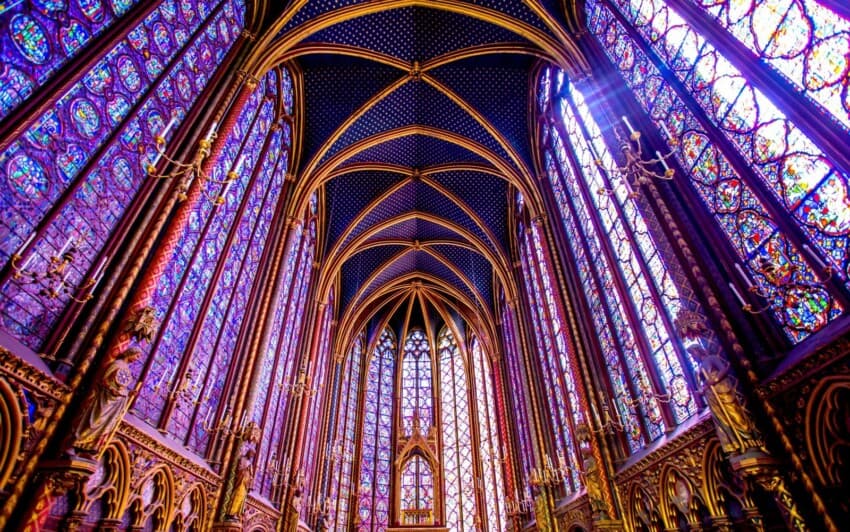
Explore Sainte-Chapelle in Paris, France, a 13th-century Gothic masterpiece known for its breathtaking stained-glass windows and rich history.
Overview
Tucked away on the Île de la Cité in the heart of Paris, France, Sainte-Chapelle stands as an extraordinary jewel of Rayonnant Gothic architecture. Commissioned by King Louis IX in the mid-13th century, this royal chapel was conceived not merely as a place of worship, but as a monumental reliquary to house priceless Christian relics. Its relatively modest exterior belies an interior that bursts with an unparalleled display of stained-glass artistry, transforming light into a breathtaking kaleidoscope of color. Sainte-Chapelle offers visitors a profound aesthetic and spiritual experience, often feeling more intimate than many of Paris's grander monuments.
History & Cultural Background
The story of Sainte-Chapelle begins with King Louis IX, later canonized as Saint Louis, and his fervent desire to possess and protect some of Christianity's most sacred artifacts. In 1239, Louis IX acquired the Crown of Thorns, believed to have been worn by Jesus Christ, along with other Passion relics, from Emperor Baldwin II of Constantinople. The purchase price of 135,000 livres was an immense sum, reportedly three times the cost of building the chapel itself. To provide a worthy sanctuary for these treasures, Louis IX ordered the construction of Sainte-Chapelle, initiating the project sometime after 1238.
Remarkably, the chapel was completed in a record time of less than seven years, being consecrated on April 26, 1248. It was part of the Capetian royal palace, the Palais de la Cité, which served as the residence of the Kings of France until the 14th century. The chapel features two distinct levels: the opulent upper chapel, reserved exclusively for the royal family and their distinguished guests to venerate the relics, and the lower chapel, used by the palace staff. This architectural design underscored Louis IX's ambition to position Paris as the new 'Jerusalem of the West' and solidify his spiritual and political authority.
During the tumultuous French Revolution in the late 18th century, Sainte-Chapelle suffered damage. Many statues were defaced, and its precious relics were dispersed or lost, though the Crown of Thorns was eventually transferred to Notre-Dame Cathedral. The chapel itself was desacralized and repurposed, serving as a storehouse for grain and later as a legal archive, with filing cabinets obstructing its magnificent windows. Thanks to public outcry and dedicated advocates, a major restoration effort commenced in the 19th century, meticulously returning the chapel to its former glory.
What Makes It Special
Sainte-Chapelle is widely regarded as one of the finest surviving examples of Rayonnant Gothic architecture. Its defining characteristic is the breathtaking expanse of its stained-glass windows, which seem to replace solid walls with towering screens of radiant light. The upper chapel, in particular, is an engineering marvel, with slender stone pillars creating a delicate framework that supports fifteen immense stained-glass panels, each approximately 15 meters (50 feet) high. These windows collectively span over 600 square meters and contain more than 1,113 individual scenes, depicting a comprehensive narrative from the Old and New Testaments.
The intricate details and vibrant colors—primarily deep blues, reds, and purples—create an ethereal atmosphere, where light filters through the glass, casting a mesmerizing glow across the interior. This 'wall of light' effect was a technical and artistic triumph of its era, emphasizing a sense of immateriality and divine presence. The restoration efforts throughout the 19th and early 21st centuries, including a significant stained-glass restoration between 2008 and 2015, have ensured the preservation of this unique medieval artwork.
Stories, Fun Facts & Local Details
- A Jewel Box of Light: Many visitors describe entering the upper chapel as stepping inside a gigantic jewel box or kaleidoscope, especially on a sunny day when the light fully illuminates the stained glass.
- Biblical Narrative: The 1,113 stained-glass panels function as a vast, pictorial Bible, telling stories from Genesis to the Apocalypse, often with a symbolic narrative that also glorified the French monarchy.
- Relics Cost More: The Crown of Thorns and other relics King Louis IX acquired cost significantly more than the construction of Sainte-Chapelle itself, highlighting their immense spiritual and political value at the time.
- Architectural Speed: Its construction in less than seven years was an astonishing feat for a building of its complexity and grandeur in the 13th century, especially when compared to the centuries it took to build cathedrals like Notre-Dame.
- Survived Revolutionaries: While damaged, the chapel's most valuable asset, its stained glass, was largely preserved by being carefully dismantled and hidden during the French Revolution.
Visitor Perspective
Visiting Sainte-Chapelle is an experience that transports you to a different era. Upon entry, you first encounter the more subdued lower chapel, dedicated to the Virgin Mary, with its sturdy architecture and a 13th-century fresco believed to be Paris's oldest mural. The ascent to the upper chapel is a moment of anticipation, culminating in the breathtaking reveal of its stained-glass walls. The impact is immediate and profound, as the entire space seems to glow with an otherworldly light.
For the best experience, many recommend visiting on a sunny day to witness the full vibrancy of the stained-glass windows. Morning visits are often suggested to avoid larger crowds, though booking timed-entry tickets in advance is highly recommended regardless of the time of year. While the chapel itself is not large, the sheer volume of artistic detail in the stained glass invites contemplation, and visitors might find themselves spending more time than expected admiring the biblical narratives unfolding in glass. The chapel's location on the Île de la Cité makes it easily accessible and often paired with visits to the nearby Conciergerie, with which it shares historical ties as part of the former royal palace.
Coordinates: 2.345, 48.85528
View on Google Maps💬 How Travelers Describe This Place
Based on community votes
Photogenic
846Must See
564Beautiful
201Unique
121Interesting
87
Traveler Stories
Discover memorable experiences shared by travelers who have visited this place.
No traveler stories yet.
Be the first traveler to share what made this place memorable.
Things to see at Sainte-Chapelle



Tour
By
Spot
Discover amazing places around the world. Your journey starts here.
Explore
© 2026 TourBySpot. All rights reserved.