Upper Chapel Stained Glass Windows
Paris, France
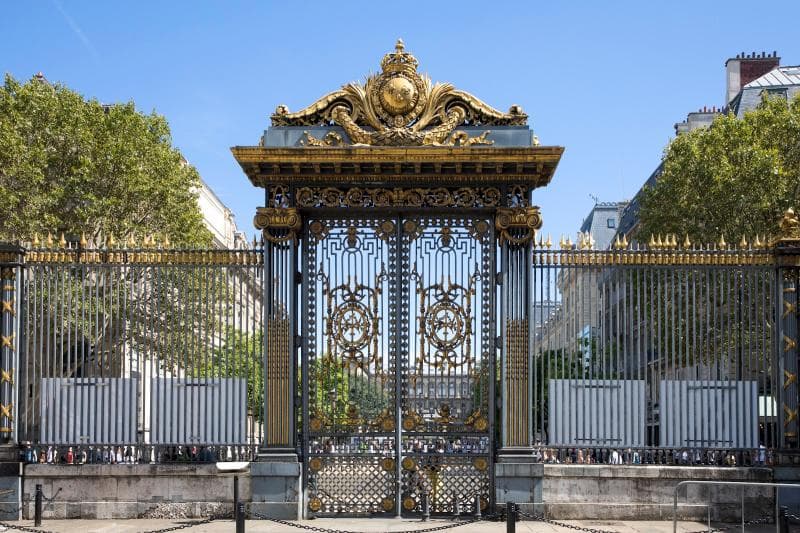
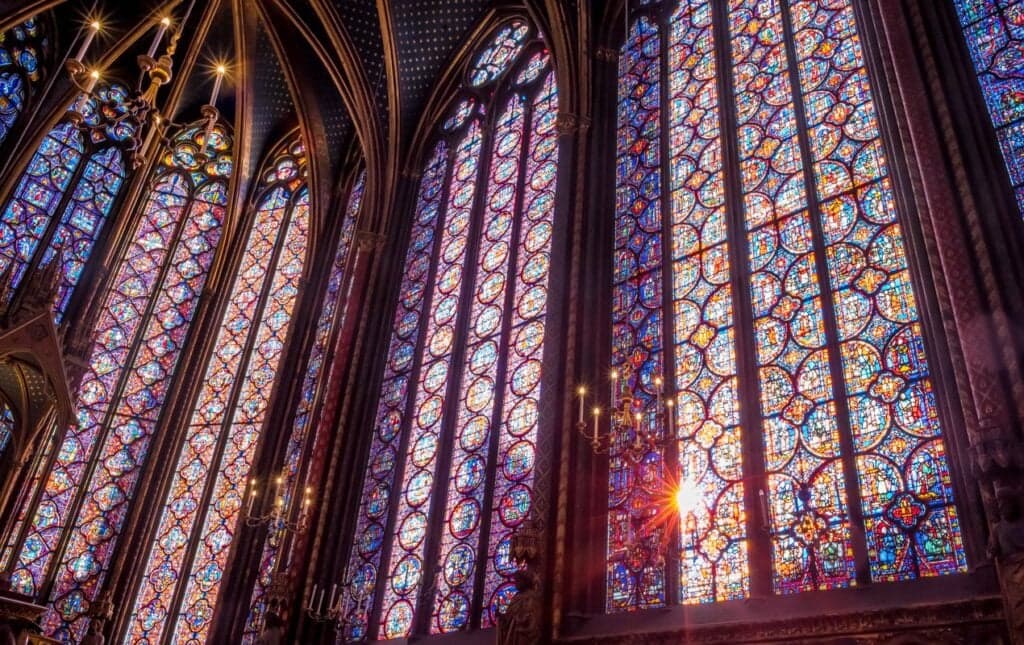
Discover the mesmerizing Upper Chapel Stained Glass Windows of Sainte-Chapelle in Paris, France. Explore 1,113 biblical scenes in a 13th-century Gothic masterpiece of light and color.
Overview
Nestled on the Île de la Cité in the heart of Paris, France, Sainte-Chapelle stands as a breathtaking testament to Rayonnant Gothic architecture. While the entire chapel is a marvel, its true crown jewel lies within the Upper Chapel: an unparalleled expanse of 13th-century stained glass windows. These magnificent windows transform the interior into a vibrant kaleidoscope of light and color, offering an immersive spiritual and artistic experience. Commissioned by King Louis IX to house precious Christian relics, particularly Christ's Crown of Thorns, the Upper Chapel was designed to be a monumental reliquary, where light itself was a central element of its divine expression.
History & Cultural Background
Sainte-Chapelle was built with remarkable speed between 1242 and 1248, a testament to the ambition and devotion of King Louis IX, who would later be canonized as Saint Louis. His primary motivation was to create a fitting sanctuary for the sacred relics he had acquired from the Byzantine Emperor Baldwin II, including what was believed to be the Crown of Thorns and a fragment of the True Cross. These relics were immensely valuable, both spiritually and politically, signifying Paris as a major center of Christendom. The chapel formed part of the royal residence, the Palais de la Cité, serving as the king's private chapel. Architecturally, Sainte-Chapelle represents the zenith of the Rayonnant Gothic style, characterized by its emphasis on reducing stone wall surfaces to their absolute minimum to allow for vast windows. Though it suffered damage during the French Revolution, when it was notably used as an archive depot and its windows were partially removed, extensive restoration in the 19th century brought much of its original splendor back.
What Makes It Special
The Upper Chapel's stained glass windows are extraordinary not just for their beauty, but for their sheer scale and narrative ambition. Fifteen towering windows, each approximately 15 meters (50 feet) high, encompass the space, creating walls almost entirely composed of glass. These windows contain an astonishing 1,113 individual scenes, depicting stories from both the Old and New Testaments. This comprehensive visual Bible begins with Genesis and progresses through various biblical episodes, culminating in the Apocalypse depicted in the grand western rose window. What truly sets these windows apart is the masterful use of color, primarily deep blues and reds, which allow light to penetrate and illuminate the chapel with a celestial glow. Nearly two-thirds of the stained glass is original 13th-century work, making it one of the most extensive and well-preserved collections of medieval stained glass in the world. The innovative architectural design, which minimizes stone support in favor of glass, allows for this breathtaking 'wall of light' effect, a revolutionary achievement for its time.
Stories, Fun Facts & Local Details
King Louis IX's personal connection to Sainte-Chapelle is woven into its very fabric. The stained glass narrative even includes depictions of the king himself, symbolically integrating his reign into the biblical timeline. The rapid construction of the chapel in just seven years was an astonishing feat for the 13th century, a time when many larger cathedrals took centuries to complete. During the French Revolution, the chapel's function shifted dramatically; its sacred contents were dispersed, and the structure was repurposed as an archive, leading to the removal of lower sections of the stained glass to improve lighting for clerks. Fortunately, 19th-century restoration efforts painstakingly brought much of the original glass back. The rose window, a later addition from the 15th century, stands out with its distinct blue and yellow hues and its detailed portrayal of the Apocalypse. The experience of stepping into the Upper Chapel is often likened to entering a giant kaleidoscope, as sunlight streams through the ancient glass, casting ever-shifting patterns of color across the interior. Sainte-Chapelle has been recognized for its universal value, earning a place on the UNESCO World Heritage List since 1991.
Visitor Perspective
A visit to the Upper Chapel stained glass windows is an unforgettable journey. The ascent, often via a winding staircase, builds anticipation for the grand reveal. Upon entering, visitors are typically met with a profound sense of awe and quiet, as the space is utterly dominated by the vibrant, ethereal light filtering through the stained glass. It's an experience that transcends mere sightseeing, immersing you in centuries of history, artistry, and spirituality. The intricate details of the 1,113 scenes invite closer inspection, although many visitors find themselves simply mesmerized by the overall play of light and color. To make the most of your visit, particularly during peak seasons, consider booking timed-entry tickets online in advance. Keep in mind that Sainte-Chapelle is located within the Palais de Justice complex, meaning security checks are thorough, and it's advisable to allow extra time for entry. The chapel's unique design means the quality of the light can change dramatically with the time of day and weather, offering a different, yet always captivating, experience with each visit.
Coordinates: 2.345, 48.85528
View on Google Maps💬 How Travelers Describe This Place
Based on community votes
Unique
953Must See
695Interesting
658Photogenic
69Beautiful
22
Traveler Stories
Discover memorable experiences shared by travelers who have visited this place.
No traveler stories yet.
Be the first traveler to share what made this place memorable.

Tour
By
Spot
Discover amazing places around the world. Your journey starts here.
Explore
© 2026 TourBySpot. All rights reserved.