Relics of the Passion Display Area
Paris, France
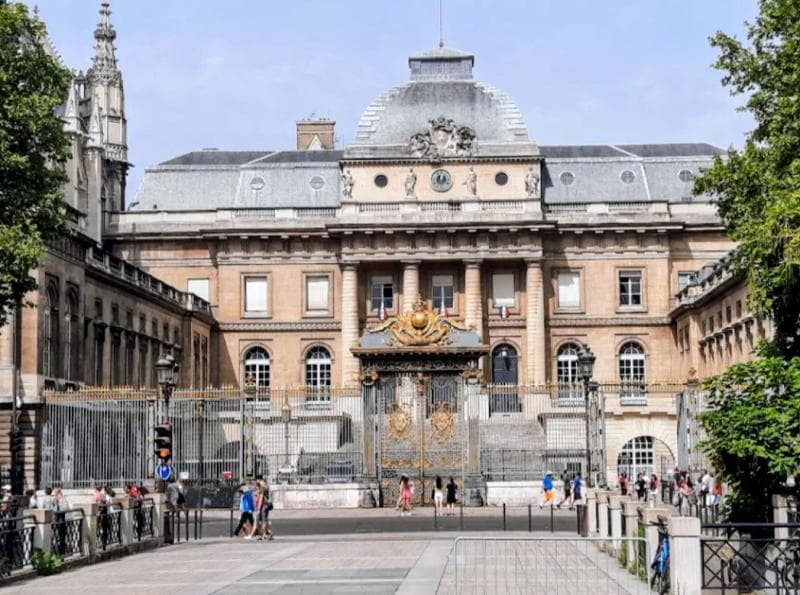

Explore the historical Relics of the Passion Display Area within Sainte-Chapelle in Paris, France, where sacred artifacts were once enshrined amidst stunning Gothic architecture.
Overview
Stepping into Sainte-Chapelle in Paris, France, visitors are immediately enveloped by a symphony of light and color, a testament to its original purpose: to house the priceless Relics of the Passion. While the venerated relics themselves, most notably the Crown of Thorns, are no longer physically present within the chapel's hallowed walls, having been transferred to Notre-Dame Cathedral in 1804, Sainte-Chapelle remains, in its very essence, a monumental reliquary. This architectural marvel was meticulously designed and constructed to glorify these sacred objects, and the space where they were once displayed continues to narrate their profound story through breathtaking art and historical context. The 'Relics of the Passion Display Area' refers not to a specific modern exhibition, but to the upper chapel's majestic setting where these treasures once resided, and whose stained glass windows powerfully depict their journey and significance, inviting curious travelers to delve into centuries of faith and royal ambition.
The upper chapel, often described as a 'Heavenly Jerusalem,' was the sanctuary for these relics, accessible primarily to the King and his distinguished guests. Today, this area serves as a vivid historical tableau, allowing contemplation of the immense spiritual and political importance these relics held during the medieval period. The experience is one of historical immersion, where the absence of the physical relics underscores the enduring power of the space designed to venerate them. It is a place where history, art, and spirituality converge, offering a unique glimpse into the heart of Capetian France.
History & Cultural Background
The story of the Relics of the Passion at Sainte-Chapelle begins in the 13th century with King Louis IX, later canonized as Saint Louis. Driven by deep piety and a desire to elevate France's standing in Christendom, Louis IX embarked on an ambitious quest to acquire some of Christianity's most sacred artifacts. In 1239, after extensive negotiations, he successfully purchased the revered Crown of Thorns from Baldwin II, the Latin Emperor of Constantinople, who had pawned it to Venetian bankers.
This acquisition was a momentous event, followed shortly by the procurement of other significant relics, including a fragment of the True Cross. To house these priceless treasures, Louis IX commissioned the construction of Sainte-Chapelle, completed in a remarkably swift period of less than seven years, between 1242 and 1248. The chapel was conceived not merely as a place of worship, but as a grand reliquary, reflecting both the King's devout faith and his aspiration to make Paris a 'new Jerusalem'—a spiritual capital and a beacon of Western Christianity. The architectural brilliance of the chapel served as a magnificent showcase for these relics, transforming the royal palace on the Île de la Cité into a spiritual powerhouse.
What Makes It Special
What makes the Relics of the Passion Display Area, or rather, the entire upper chapel of Sainte-Chapelle, so special is its unparalleled integration of architecture and narrative. The chapel itself was designed as a colossal reliquary, a 'box for a box,' intended to exalt the sacred contents it once held. The walls, famously composed of some 1,113 stained glass panels soaring nearly 15 meters high, recount biblical stories, culminating in the Passion of Christ and the journey of the relics to Paris.
The intricate stained glass windows are not merely decorative; they serve as a medieval graphic novel, detailing events from Genesis to the arrival of the relics. One specific 'Bay of Relics' stained glass panel vividly illustrates the story of Saint Helena's discovery of the True Cross and the Holy Crown, and their subsequent transfer to Sainte-Chapelle. It even depicts King Louis IX, barefoot and accompanied by his brother, reverently carrying the Holy Crown, underscoring his pivotal role in this sacred acquisition. This visual storytelling, bathing the interior in a transcendent, colored light, creates an ethereal atmosphere, designed to evoke awe and profound spiritual connection in all who entered.
Stories, Fun Facts & Local Details
The acquisition of the Relics of the Passion was an enterprise of epic proportions, both spiritually and financially. A fascinating detail often recounted is that the Crown of Thorns alone cost Louis IX an astounding 135,000 livres tournois, a sum that exceeded three times the cost of constructing Sainte-Chapelle itself. This immense expenditure highlights the unparalleled value and prestige attributed to these artifacts in the medieval world, reflecting the King's unwavering devotion.
Another compelling story is the fate of the relics during the French Revolution. While many religious artifacts were destroyed or melted down, the most significant relics from Sainte-Chapelle, including the Crown of Thorns, were safeguarded and eventually transferred to Notre-Dame Cathedral. The Grand-Chasse, the ornate gold and jewel-encrusted reliquary that held the relics within Sainte-Chapelle, was unfortunately melted down during this tumultuous period. However, the legacy lives on, not only in the preserved relics at Notre-Dame but also in the very fabric of Sainte-Chapelle, where the stained glass continues to tell the tale of their arrival and the faith that inspired their protection.
Visitor Perspective
For the modern traveler, visiting the former Relics of the Passion Display Area within Sainte-Chapelle offers a deeply immersive historical experience, even without the physical presence of the relics. The moment you ascend to the upper chapel, you are confronted with an overwhelming display of stained glass, intended to transport you to a celestial realm. The sheer scale and detail of these windows demand attention, guiding your eye through biblical narratives and the specific history of Louis IX's relic acquisition.
While the Crown of Thorns and other principal relics now reside at Notre-Dame, the Sainte-Chapelle's architecture and art serve as a magnificent memorial to their former presence. Visitors can still stand in the very spot where these sacred objects were once venerated, imagining the reverence and devotion they inspired. The chapel's unique design, conceived as a jewel box for the relics, ensures that their story remains central to the visitor's understanding. It's an opportunity to connect with a powerful chapter of French history and religious fervor, appreciating the artistic and spiritual legacy that King Louis IX painstakingly created for his kingdom. It encourages a reflective journey, contemplating the enduring power of faith and the human endeavor to preserve and honor the sacred.
Coordinates: 2.34504, 48.8554
View on Google Maps💬 How Travelers Describe This Place
Based on community votes
Unique
445Interesting
416Must See
289Beautiful
141Photogenic
33
Traveler Stories
Discover memorable experiences shared by travelers who have visited this place.
No traveler stories yet.
Be the first traveler to share what made this place memorable.

Tour
By
Spot
Discover amazing places around the world. Your journey starts here.
Explore
© 2026 TourBySpot. All rights reserved.