Royal Mile
Edinburgh, United Kingdom
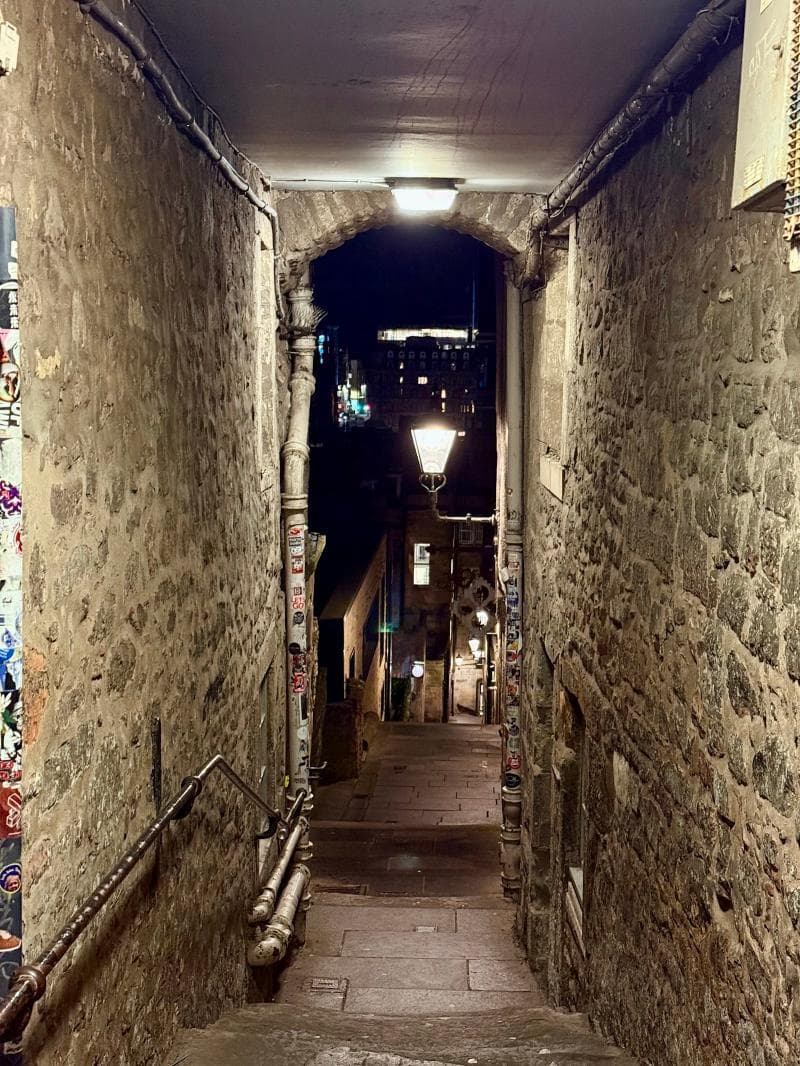
Explore the Royal Mile in Edinburgh, United Kingdom, a historic thoroughfare connecting Edinburgh Castle and Holyrood Palace. Discover its rich history, cultural significance, and captivating stories.
Overview
The Royal Mile, Edinburgh's historic heart, is a legendary thoroughfare that gracefully descends from the iconic Edinburgh Castle, perched atop an ancient volcanic crag, to the majestic Palace of Holyroodhouse, the King's official residence in Scotland. This series of streets forms the principal artery of the city's UNESCO World Heritage-listed Old Town, stretching for approximately one Scottish mile. It is not a single street, but rather a succession of distinct sections: Castle Esplanade, Castlehill, Lawnmarket, High Street, Canongate, and Abbey Strand, each with its own character and tales to tell. The Royal Mile serves as a vibrant artery, bustling with life, history, and a tangible connection to Scotland's storied past.
History & Cultural Background
The Royal Mile's origins are deeply intertwined with the development of Edinburgh itself. Initially established as a vital processional route, it facilitated the movement of Scottish royalty between their residence at Holyrood Palace and the fortified safety of Edinburgh Castle. This historic pathway became the backbone of Edinburgh's Old Town, transforming into a bustling commercial and residential hub.
Confined by the city walls, the area experienced extreme overcrowding in centuries past, with up to 40,000 residents living in unsanitary conditions. A unique, if infamous, historical detail was the practice of emptying human waste into the streets, preceded by the warning cry of 'Gardyloo'—a corruption of the French 'Gardez l'eau' meaning 'watch out for the water!' This thoroughfare has borne witness to pivotal moments in Scottish history, including the return of Mary, Queen of Scots, in 1561, a significant event that reshaped the nation's political and cultural landscape. Later, the Act of Union between Scotland and England was ratified here in 1707, leading to the formation of Great Britain.
What Makes It Special
What sets the Royal Mile apart is its remarkable blend of historical grandeur and enduring vitality. Its unique 'crag and tail' geological formation dictates its gentle downhill slope, offering dramatic views at every turn. The architecture along the Mile is a visual feast, ranging from medieval structures with crow-stepped gables to later facades, each building echoing stories of bygone eras.
Key landmarks punctuate this historic route. St Giles' Cathedral, often called the 'Mother Church of Presbyterianism,' stands as a magnificent example of Gothic architecture. The subterranean world of Mary King's Close offers a chilling glimpse into 17th-century life, preserved beneath the modern city. John Knox House, dating from 1490, is a rare survivor of medieval Edinburgh. The Mile also transforms annually into a lively stage for festivals and events, such as the Edinburgh Fringe and the Royal Edinburgh Military Tattoo, cementing its role as a cultural epicentre.
Stories, Fun Facts & Local Details
Beyond its grand history, the Royal Mile is rich in captivating stories and local lore. The infamous cry of 'Gardyloo' provides a vivid, if unsavoury, glimpse into daily life in medieval Edinburgh. The World's End pub on the High Street, for instance, derives its name from its location next to the Flodden Wall, which once marked the city's boundary; people believed anything beyond was literally the 'end of the world.'
Another intriguing figure is Deacon Brodie, a respected cabinet maker and city councillor by day, and a burglar by night. His double life is said to have inspired Robert Louis Stevenson's 'Strange Case of Dr. Jekyll and Mr. Hyde.' A pub named after him stands on Lawnmarket. The Royal Mile has also been the scene of notable historical events, including murders, adding a darker, more dramatic layer to its rich tapestry of tales.
Visitor Perspective
For the curious traveler, walking the Royal Mile is an immersive journey through time. The cobbled streets invite exploration, encouraging visitors to peel back layers of history with every step. From the formidable ramparts of Edinburgh Castle to the serene grounds of Holyrood Palace, the route is studded with museums, historic buildings, and attractions that offer deep dives into Scotland's heritage.
Beyond the major landmarks, visitors can discover hidden 'closes' and 'wynds'—narrow alleyways leading off the main thoroughfare, revealing secret courtyards and unexpected historical gems. The Mile buzzes with activity; street performers entertain, traditional Scottish shops offer unique souvenirs, and a plethora of restaurants and historic pubs provide opportunities for refreshment and soaking in the atmosphere. It is a place where history feels alive, where every stone has a story, and where the spirit of Edinburgh truly resonates.
Coordinates: -3.1965, 55.948799
View on Google Maps💬 How Travelers Describe This Place
Based on community votes
Must See
915Unique
873Photogenic
477Interesting
422Beautiful
53
Traveler Stories
Discover memorable experiences shared by travelers who have visited this place.
No traveler stories yet.
Be the first traveler to share what made this place memorable.
Things to see at Royal Mile



Tour
By
Spot
Discover amazing places around the world. Your journey starts here.
Explore
© 2026 TourBySpot. All rights reserved.