John Knox House
Edinburgh, United Kingdom
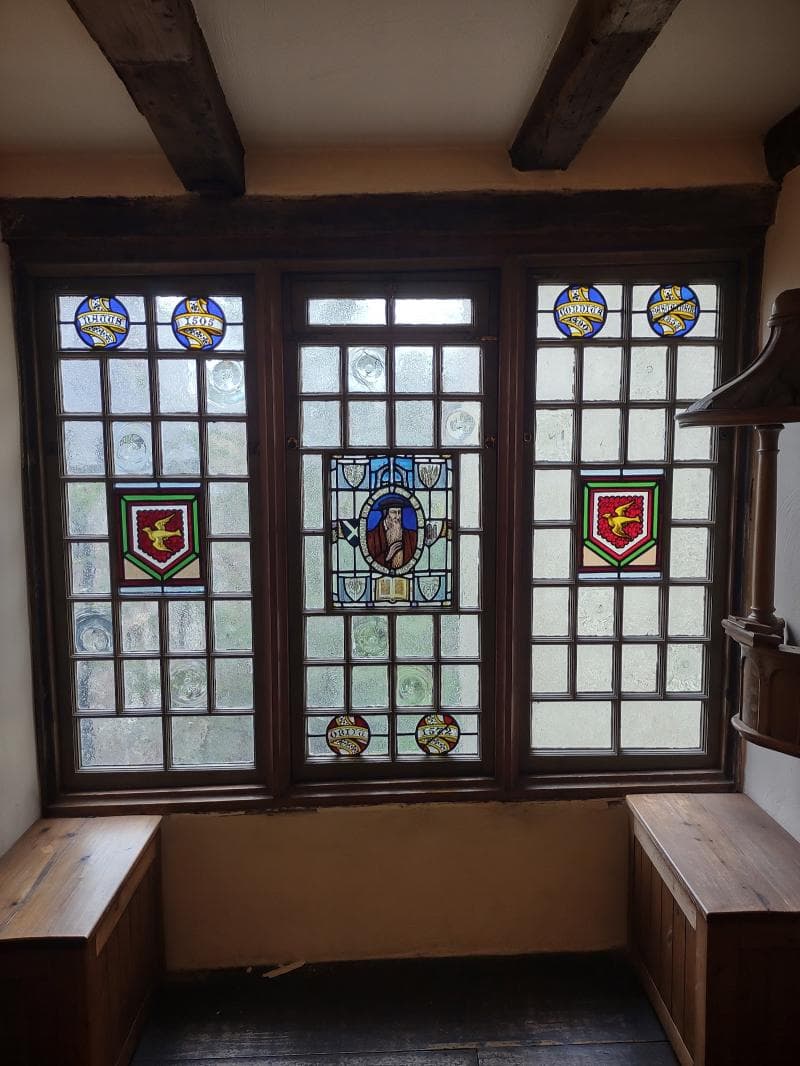
Explore John Knox House on Edinburgh's Royal Mile. Discover this historic medieval building, its links to the Scottish Reformation, and tales of Mary, Queen of Scots.
Overview
Nestled amidst the historic cobbles of Edinburgh's Royal Mile, John Knox House offers a captivating journey into Scotland's tumultuous past. This remarkably preserved medieval building, dating back to 1470, stands as one of the oldest structures on this iconic street. It is famously associated with John Knox, the fiery leader of the Scottish Reformation, and serves as a vivid reminder of a pivotal era that reshaped the nation. While the extent of Knox's residency remains a historical debate, the house undeniably tells a compelling story of faith, power, and 16th-century Edinburgh life. Today, it operates with the Scottish Storytelling Centre, blending tangible history with rich oral narratives.
History & Cultural Background
Before its association with John Knox, the house was primarily the home of James Mossman, a prominent goldsmith to Mary, Queen of Scots, and his wife Mariota Arres. Their initials, coat of arms, and a meaningful motto still adorn the facade. The house, with origins from 1470, largely reflects a mid-16th-century remodelling by Mossman. As a royal goldsmith and keeper of the Royal Mint, Mossman was central to Edinburgh's economic and political life, deeply loyal to the Catholic Mary, Queen of Scots.
The house bore witness to the dramatic Scottish Reformation. Mossman's loyalty led to his downfall; he was charged with treason and executed in 1573 after defending Edinburgh Castle for Mary's supporters.
John Knox, a central figure in the Protestant Reformation, is irrevocably linked to this house. He led the reform campaign, challenging the established order and clashing with Mary, Queen of Scots. Although his primary residence was likely elsewhere, tradition holds Knox stayed here during his final months in 1572, and possibly died here. This association proved crucial; in the 1840s, the house faced demolition but was saved due to its perceived connection to the reformer, highlighting the profound impact historical figures have on heritage preservation.
What Makes It Special
John Knox House is a tangible fragment of medieval Edinburgh, one of the few surviving original mansions on the Royal Mile. Its architectural uniqueness is striking. Visitors observe distinctive timber galleries and the remains of 'luckenbooths,' medieval shops integral to past commerce. The interior reveals captivating features like small spiral staircases, low ceilings, and exposed wooden beams, immersing visitors in 15th- and 16th-century life. A highlight is the Oak Room on the top floor, adorned with a beautifully painted 17th-century ceiling, a testament to past artistry. The house vividly brings to life the Scottish Reformation, providing a unique lens to understand the religious and political upheavals of the time.
Stories, Fun Facts & Local Details
One intriguing aspect is the debate surrounding John Knox's actual residency. While popularly known as 'John Knox's House,' records suggest he might have lived in Warriston Close. Yet, the tradition of his presence during his final months was powerful enough to save the building.
Spot the facade's original inscription: 'Luve God abufe al and yi nychtbour as yi self' (Love God above all and your neighbour as yourself), reflecting the moral compass of the Mossmans. You might also see a figure of Moses next to a sundial, originally representing John Knox preaching. During an 1840s excavation, time capsules were discovered in the gable wall, commemorating preservation efforts; one is now displayed. Just outside stands the Netherbow Wellhead, a historic public cistern from 1675, offering a glimpse into Edinburgh's past water supply. The house's connection to the Scottish Storytelling Centre means visitors can sometimes enjoy bespoke tours led by storytellers, animating its rich history.
Visitor Perspective
A visit to John Knox House offers an immersive historical experience for travelers eager to delve into Scotland's past. The house is typically explored via a self-guided tour, allowing 45 minutes to an hour. Written guides (in multiple languages) and audio guides enhance the experience, providing detailed context for each room and exhibit. As you navigate ancient rooms, you'll find exhibitions detailing the lives of former inhabitants, including the Mossman family and their connection to Mary, Queen of Scots, alongside the narrative of John Knox and the Scottish Reformation. The house is best appreciated by history enthusiasts, particularly those interested in the Scottish Reformation and medieval architecture, offering a profound connection to a pivotal era. It truly is a journey back in time, allowing you to walk in the footsteps of those who shaped a nation.
Coordinates: -3.184333, 55.95072
View on Google Maps💬 How Travelers Describe This Place
Based on community votes
Photogenic
698Must See
476Beautiful
465Unique
276Interesting
126
Traveler Stories
Discover memorable experiences shared by travelers who have visited this place.
No traveler stories yet.
Be the first traveler to share what made this place memorable.

Tour
By
Spot
Discover amazing places around the world. Your journey starts here.
Explore
© 2026 TourBySpot. All rights reserved.