Closes (alleys)
Edinburgh, United Kingdom
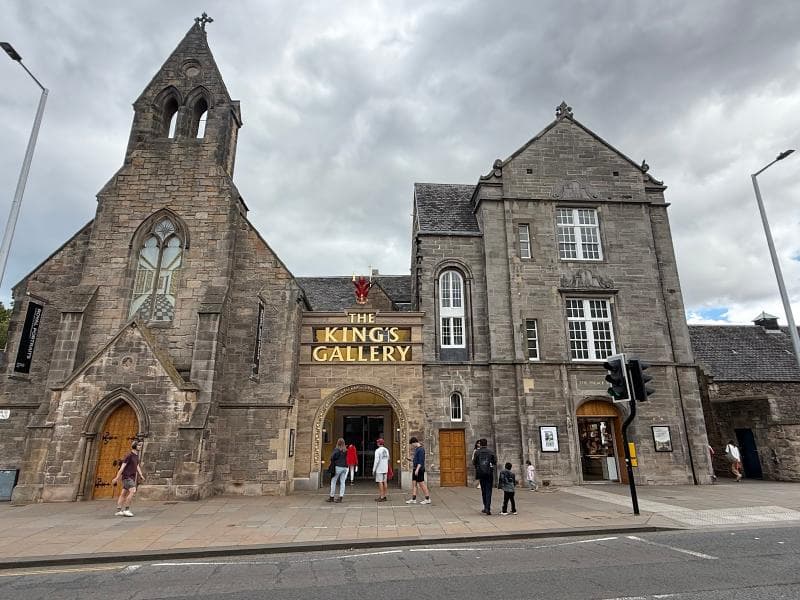
Explore Edinburgh's historic closes (alleys) off the Royal Mile, uncovering medieval history, unique architecture, and captivating stories in the United Kingdom.
Overview
Stepping off Edinburgh's bustling Royal Mile and into one of its numerous 'closes' is like entering a different era. These narrow, often steep alleyways, or passages, branch off the main thoroughfare, offering a fascinating glimpse into the city's rich past. More than just shortcuts, closes are integral to Edinburgh's Old Town, revealing centuries of history, daily life, and dramatic tales etched into their ancient cobblestones.
Edinburgh's urban landscape developed uniquely due to its geographical constraints, leading to a dense network of these passageways. Each close holds its own character, from preserved 16th-century architecture to hidden gardens, and many are named after prominent residents or the trades once practiced within their confines.
History & Cultural Background
The closes of Edinburgh date back to medieval Scotland, born out of necessity as the city grew within its protective walls. Confined to a narrow volcanic ridge, Edinburgh could not spread outwards, so it expanded upwards, with buildings reaching as high as nine or ten stories – often considered the world's first skyscrapers. This vertical growth led to a dense population, and the spaces between these towering tenements became the closes, providing essential access to homes, workshops, and communal areas.
The term 'close' itself is believed to stem from the fact that many of these passages were private and could be gated or 'closed' at night to secure residents. Historically, conditions within these packed alleyways were often unsanitary, with human waste routinely thrown from windows with a cry of 'Gardyloo!' The closes were particularly hard-hit during the bubonic plague outbreaks of the 17th century, contributing to their often dark and mysterious legends.
What Makes It Special
What truly distinguishes Edinburgh's closes is their unparalleled ability to transport visitors directly into the city's past. Unlike museums that display history, the closes allow you to stand within it, experiencing the canyon-like architecture and the lingering atmosphere of centuries gone by.
Many closes offer unique architectural features, such as the well-preserved 16th-century buildings of Bakehouse Close, which has even served as a filming location for historical dramas. Others, like Dunbar's Close, surprise with tranquil 17th-century style gardens, providing unexpected oases of calm amidst the urban bustle. These hidden passages are not merely remnants; they are living testaments to Edinburgh's evolution, where each turn reveals a slice of medieval life, often untouched by modern development.
Stories, Fun Facts & Local Details
The closes are rich with stories, often named after notable residents or the trades carried out within them. Advocate's Close, a steep and narrow lane dating to the 15th century, bears the name of Sir James Stewart, a Lord Advocate of Scotland.
One of the most famous is The Real Mary King's Close, a network of 17th-century streets that were partially buried and built over during the construction of the Royal Exchange. Now an underground visitor attraction, it offers a chilling glimpse into the cramped living conditions and the impact of the plague, with tales of alleged hauntings and preserved homes. Brodie's Close is famously linked to Deacon William Brodie, a respected cabinetmaker and city councillor by day, and a notorious burglar by night, whose double life inspired Robert Louis Stevenson's 'Dr. Jekyll and Mr. Hyde'. Lady Stairs Close, with its literary associations, houses the Writers' Museum, celebrating Scotland's literary giants. The picturesque White Horse Close, with its charming whitewashed buildings, is rumored to have stabled Mary Queen of Scots' white horse and served as a terminus for stagecoaches to London.
Visitor Perspective
Exploring the closes provides an intimate and authentic experience of Edinburgh's Old Town, far removed from the main street's tourist crowds. Many are freely accessible, inviting curious travelers to wander and discover their secrets at their own pace. While some closes are private, dozens are open to the public, offering endless opportunities for exploration.
For a deeper dive, guided tours, particularly of The Real Mary King's Close, offer detailed historical narratives and bring to life the characters and events that shaped these unique spaces. The best times to explore are often early mornings, before the Royal Mile becomes too busy, or during the autumn and winter months when mist and lamplight enhance their historic and often mysterious atmosphere. These narrow passages are not just architectural curiosities; they are a profound connection to the heart and soul of historic Edinburgh, waiting to be discovered by those who dare to step off the beaten path.
Coordinates: -3.19, 55.95
View on Google Maps💬 How Travelers Describe This Place
Based on community votes
Interesting
521Beautiful
477Must See
422Unique
157Photogenic
28
Traveler Stories
Discover memorable experiences shared by travelers who have visited this place.
No traveler stories yet.
Be the first traveler to share what made this place memorable.

Tour
By
Spot
Discover amazing places around the world. Your journey starts here.
Explore
© 2026 TourBySpot. All rights reserved.