Riga Central Market
Riga, Latvia
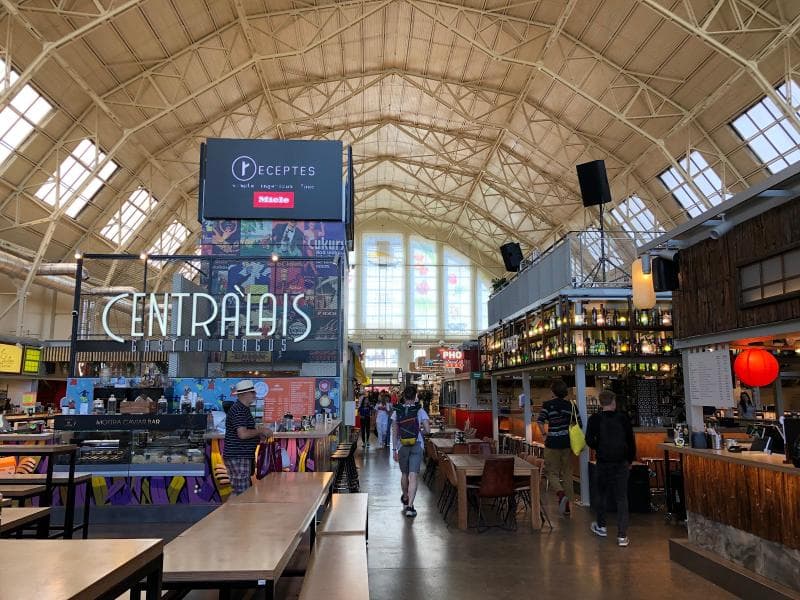
Explore Riga Central Market in Latvia, Europe's largest and most unique market housed in repurposed Zeppelin hangars. Discover history, culture, and local delicacies.
Overview
The Riga Central Market, known locally as Rīgas Centrāltirgus, stands as a vibrant testament to Riga, Latvia's rich history and bustling modern life. Recognized as one of Europe's largest markets and bazaars, it is not merely a place of commerce but a significant cultural landmark. This expansive marketplace is nestled in the heart of Riga, conveniently situated on the banks of the Daugava River, just a short stroll from the Old Town and adjacent to the central train and bus stations. Its distinctive architecture, featuring five massive pavilions, is one of the most notable structures of 20th-century Latvia and, alongside Old Riga, was inscribed on the UNESCO World Heritage Site list in 1998. Inside these colossal structures and across its vast outdoor areas, visitors will discover an astounding array of fresh produce, succulent meats, diverse fish, dairy products, baked goods, traditional local specialties, and various manufactured goods. Attracting between 40,000 and 50,000 visitors daily, the market truly acts as the 'belly of the city', nourishing both its residents and curious travellers.
History & Cultural Background
The story of the Riga Central Market is one of innovation and adaptation, deeply intertwined with Latvia's post-WWI independence. While the Daugavmala Market had existed on the river banks since 1571, the Riga City Council decided in 1922 that a new, more modern central market was needed for the growing city. Construction commenced in 1924, and the market officially opened its doors on November 2, 1930, quickly earning a reputation as the largest, most advanced, and most progressive marketplace in Europe at the time. The market's most striking architectural feature is its five main pavilions, which ingeniously repurposed the metal frames of former German Zeppelin hangars from World War I. These immense structures, originally built between 1915 and 1917 for military airships, were acquired by Latvia after the war, transported from Vaiņode, and reassembled in Riga. The design, led by architects Pāvils Dreijmanis and P. Pavlovs, skillfully blended elements of Neoclassicism and Art Deco into their construction. Throughout its history, the market has mirrored the country's changing fortunes. During the Soviet occupation, it was renamed the Central Kolkhoz Market in 1949 and celebrated as one of the finest markets in the Soviet Union. Its enduring cultural significance was globally recognized in 1998 when its territory, along with Old Riga, was listed as a UNESCO World Heritage Site.
What Makes It Special
Beyond its sheer size, the Riga Central Market is truly special due to its unique architectural heritage and its role as a living cultural institution. The repurposing of World War I Zeppelin hangars into bustling market pavilions is an extraordinary feat of adaptive reuse, making these buildings among the few remaining of their kind in the world. Each of the five pavilions is dedicated to a specific category of goods – vegetables, dairy, meat, fish, and gastronomy products – creating an organized yet vibrant shopping experience. An underground 'city' beneath the pavilions, equipped with advanced central heating, electric lighting, and extensive storage facilities capable of holding hundreds of tons of food, was a marvel of engineering for its era. The market offers a genuine and immersive taste of Latvian food culture, providing both locals and visitors access to an unparalleled selection of fresh, often locally sourced, products. It is a place where traditions are preserved, and the diverse offerings create a vibrant, colorful atmosphere where cultures and flavors converge.
Stories, Fun Facts & Local Details
Imagine the buzz of the 1930s when the Riga Central Market was unveiled, lauded as the most progressive marketplace on Earth. Visitors from Germany and England flocked here, particularly appreciating the quality of local butter and bacon. The fish pavilion, in particular, was a spectacle, once featuring large, colorful aquariums that captivated shoppers. Today, the market remains a treasure trove of local delights. Keep an eye out for freshly smoked eel, a Baltic delicacy often found in the fish pavilion, or the distinct, dense Latvian rye bread, a staple with profound cultural importance that you can sample in the dairy pavilion. Don't miss trying the popular salted cucumbers, a beloved local snack, or the caraway-seeded cheese known as 'Jāņu siers'. Beyond the main pavilions, the surrounding area, particularly the renovated warehouses known as 'spīķeri', has transformed into a lively 'creative quarter' featuring art galleries, theaters, and concert halls, adding another layer to the market's charm. This market is more than just a tourist attraction; it's a vital, mixed social space where Rigans from all walks of life gather, shop, and connect.
Visitor Perspective
For any curious traveller, a visit to the Riga Central Market is an essential experience, offering a direct window into the daily life and culinary soul of Riga. Its prime location, just minutes from the Old Town and easily accessible by public transport, makes it a convenient stop on any itinerary. To truly embrace the market's energy and secure the freshest produce, aim for a visit between Tuesday and Friday mornings, ideally from 8:00 to 11:00. Mondays can be quieter with fewer vendors, and weekend afternoons tend to be more crowded. Inside, you can wander through the specialized pavilions, tasting and purchasing authentic Latvian-grown and homemade products directly from local vendors. Sample the array of traditional Latvian foods, from rich smoked fish and hearty rye bread to various cheeses and cured meats. For a quick bite, explore the market's food court, offering both Latvian and international dishes. Guided tours and tasting experiences are also available, providing deeper insights into the market's history and culinary offerings. While immersing yourself in the vibrant atmosphere, it's wise to remain aware of your belongings, as busy markets can occasionally attract pickpockets.
Coordinates: 24.11666, 56.94394
View on Google Maps💬 How Travelers Describe This Place
Based on community votes
Interesting
836Photogenic
797Unique
255Must See
231Beautiful
86
Traveler Stories
Discover memorable experiences shared by travelers who have visited this place.
No traveler stories yet.
Be the first traveler to share what made this place memorable.
Things to see at Riga Central Market



Tour
By
Spot
Discover amazing places around the world. Your journey starts here.
Explore
© 2026 TourBySpot. All rights reserved.