Vegetable Hall
Riga, Latvia
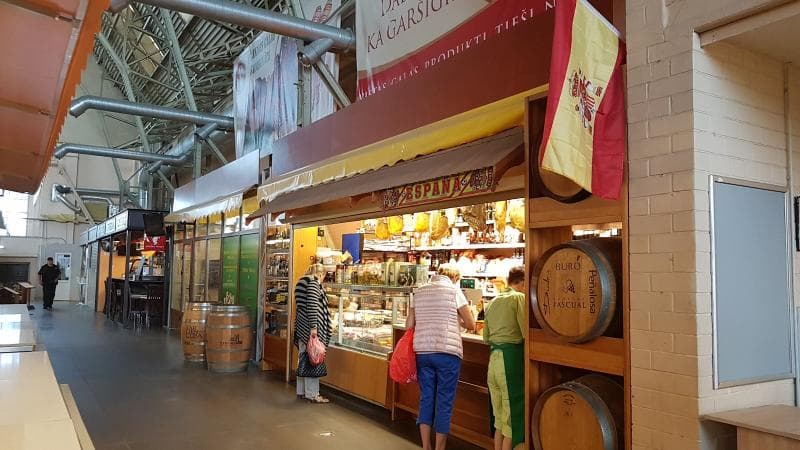
Explore Riga's Central Market Vegetable Hall in Latvia, a vibrant UNESCO site offering fresh local produce, traditional foods, and a deep dive into Latvian culinary culture.
Overview
Stepping into the Vegetable Hall of Riga Central Market is like entering a vibrant, living tapestry woven from the bounty of Latvian soil. Part of a sprawling UNESCO World Heritage site, the Riga Central Market is not just Europe's largest market and bazaar, but a cultural institution nestled in the heart of Riga, Latvia, a short stroll from the Old Town. It is composed of five impressive pavilions, each dedicated to a different category of goods: meat, fish, dairy, gastronomy, and, of course, vegetables. The Vegetable Hall, or Dārzeņu un Augļu paviljons, offers a sensory overload of colors, aromas, and sounds, representing the freshest seasonal produce and traditional delicacies.
This particular pavilion is a bustling hub where locals and visitors alike converge to source everything from crisp, locally grown cucumbers and tomatoes in summer, to an array of pickled goods, dried mushrooms, and root vegetables that sustain through colder months. It is an authentic glimpse into daily Latvian life and culinary traditions, housed within one of the most remarkable architectural complexes in Eastern Europe.
History & Cultural Background
The Riga Central Market, including its magnificent Vegetable Hall, boasts a fascinating history rooted in early 20th-century innovation. Planned from 1922 and built between 1924 and 1930, the market was conceived to be the largest and most progressive marketplace on Earth at its opening. Its most distinctive feature is the reuse of five colossal German Zeppelin hangars from World War I. These hangars, originally stored in Vaiņode, were repurposed and became the structural framework for the market's pavilions.
The architects, Pāvils Dreijmanis and P. Pavlovs, along with engineers V. Isajevs and G. Tolstojs, masterfully integrated these immense structures with Neoclassicism and Art Deco styles, creating a landmark of 20th-century Latvian architecture. The market quickly became a vital economic and social center, deeply embedded in the city's cultural fabric. Its significance was recognized internationally in 1998 when the market area, forming one whole with the Old Town, was inscribed on the UNESCO World Heritage List.
What Makes It Special
Beyond its impressive scale and UNESCO status, the Vegetable Hall distinguishes itself through its commitment to local produce and seasonal offerings. Unlike typical supermarkets, here you find vegetables and fruits often sold directly by farmers who grew them, ensuring unparalleled freshness and often, organic quality. In summer, the hall overflows with berries, leafy greens, and the essential ingredients for Latvian summer salads. Come autumn, stalls are laden with an astonishing variety of dried mushrooms, a testament to Latvia's rich forest bounty, and a staple in local cuisine.
The sheer volume and diversity of goods, from common potatoes and carrots to less familiar forest finds and fermented products, provide a culinary adventure. It's a place where traditional methods of preservation, like pickling and drying, are still very much alive and on display. The hall also frequently offers spaces for artisan products and catering services, adding layers to its appeal as a dynamic marketplace.
Stories, Fun Facts & Local Details
Locals affectionately refer to the Riga Central Market as the 'belly of the city' – a moniker that perfectly captures its indispensable role in feeding Riga's inhabitants. During the 1930s, the market's vibrancy and the wide array of affordable produce made it a significant tourist attraction, with visitors from Germany and England particularly enjoying the butter and bacon (though not specific to the Vegetable Hall, it illustrates the market's early appeal).
The Vegetable Hall, like other pavilions, has experienced significant moments throughout history, including adaptations during Soviet occupations when it was renamed the Central Kolkhoz Market. More recently, the Vegetable Pavilion underwent extensive renovations. In early 2022, part of its roof was damaged by strong winds, leading to a period of closure for repairs and reinforcement work, which concluded in May 2025. It reopened to visitors, featuring not only fresh produce but also industrial trade stands and artisan goods, with future plans for catering services. However, as of August 2026, the Vegetable Pavilion is temporarily ceasing operations again for a new phase of reconstruction, aiming to refurbish it for meat products by spring 2027, with vegetable vendors being relocated within the market. This reflects the ongoing evolution and preservation efforts of this historic site.
Visitor Perspective
For the curious traveler, the Vegetable Hall offers a profound immersion into Latvian culture. It's a place where the senses are awakened: the earthy scent of fresh vegetables, the vibrant hues of seasonal produce, and the lively chatter of vendors and shoppers. Beyond just shopping, it's an educational experience, offering insights into local food systems and the rhythm of Latvian life. Visitors can witness the care with which produce is displayed, perhaps sample a quick-pickled cucumber, or discover a new fruit or vegetable.
Walking through this hall provides a unique opportunity to connect with local traditions and appreciate the effort that goes into bringing fresh food to the city's tables. It serves as a reminder of the market's enduring legacy as a gathering place and a cornerstone of the community, even as it adapts to modern times and ongoing renovations. It's an essential stop for anyone seeking to understand the authentic pulse of Riga.
Coordinates: 24.114888, 56.943995
View on Google Maps💬 How Travelers Describe This Place
Based on community votes
Interesting
995Must See
989Unique
603Beautiful
581Photogenic
388
Traveler Stories
Discover memorable experiences shared by travelers who have visited this place.
No traveler stories yet.
Be the first traveler to share what made this place memorable.

Tour
By
Spot
Discover amazing places around the world. Your journey starts here.
Explore
© 2026 TourBySpot. All rights reserved.