Outdoor Market
Riga, Latvia
Explore Riga's Central Market Outdoor Market, a UNESCO site in Latvia, for local produce, unique crafts, and authentic cultural experiences.
Overview
The Outdoor Market, an integral and vibrant part of the larger Riga Central Market in Riga, Latvia, offers a truly authentic Baltic experience. Situated strategically near the Daugava River, the city's central railway station, and the international bus terminal, it serves as a bustling hub of commerce and culture. While the Riga Central Market is renowned for its impressive former Zeppelin hangars housing specialized pavilions, the outdoor area provides a distinct charm, inviting visitors to explore a diverse array of goods under the open sky. This vast marketplace is not merely a place for transactions; it is a living, breathing testament to Latvian traditions and daily life, recognized alongside Riga's historic center on the UNESCO World Heritage list since 1997/1998.
History & Cultural Background
The story of the Riga Central Market, including its extensive outdoor sections, is deeply intertwined with Latvia's 20th-century history. The market, as we know it today, was constructed between 1924 and 1930. The most distinctive feature of the larger complex, the five indoor pavilions, were ingeniously repurposed from World War I German Zeppelin hangars, making them remarkable examples of architectural adaptive reuse. When it first opened its gates in 1930, the Riga Central Market was hailed as one of the largest and most progressive marketplaces globally. The decision to create such a grand market came after World War I, in response to the growing city's need for a modern, hygienic trading space, replacing the crowded Daugavmala Market. Over the decades, the market has witnessed and adapted to significant historical shifts, including periods of occupation. During the second Soviet occupation, it was even renamed the Central Kolkhoz Market, reflecting the agricultural collectivization of the era. Its inclusion in the UNESCO World Heritage list underscores its profound cultural and historical significance, not just for Riga but for Europe as a whole.
What Makes It Special
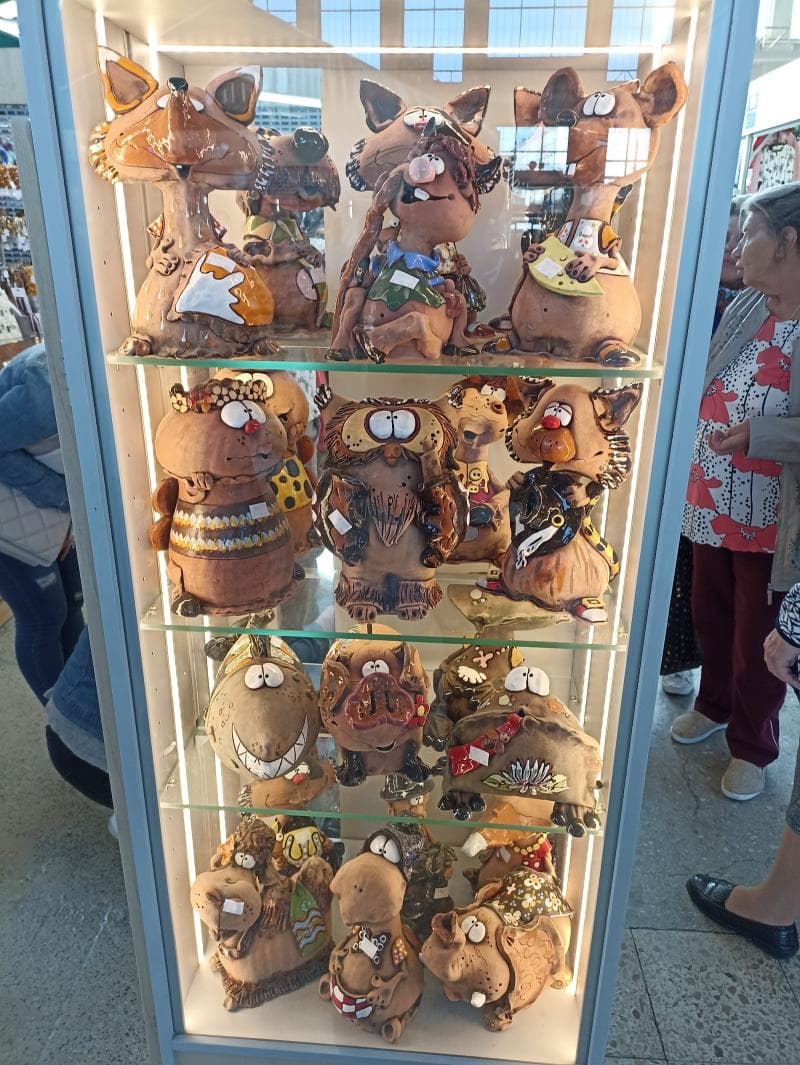
The Outdoor Market truly comes alive with its seasonal offerings, painting a vivid picture of Latvia's agricultural rhythm. Surrounding the iconic covered pavilions, especially along the Daugava embankment side, the outdoor stalls are a treasure trove of local produce. Here, you will discover an abundance of seasonal fruits and vegetables, often sold directly by farmers and local foragers. Depending on the time of year, you might find fresh radishes and early vegetables, wild forest berries, and mushrooms gathered from the Latvian countryside. Beyond the fresh produce, the Outdoor Market is a hub for specialized local products such as diverse honey varieties, homemade pickles, and dried mushrooms. What makes this area particularly special is its less regulated, often more chaotic, yet authentic atmosphere compared to the more structured indoor halls. It offers a dynamic snapshot of local commerce, where the flow of goods directly reflects the changing seasons. In addition to food, visitors can browse stalls selling flowers, garden plants, and a fascinating mix of other goods, including clothing, household items, and souvenirs, offering something for every curious traveler.
Stories, Fun Facts & Local Details
Stepping into the Outdoor Market is like walking into a living narrative of Riga. It is a place where different generations of vendors continue family traditions, selling products that have sustained communities for decades. This market serves as an accurate seasonal calendar; the first appearance of strawberries in June, the peak of wild mushroom season in August, or the arrival of autumn root vegetables all mark the passage of time for locals. It is also a rare social melting pot in Riga, bringing together residents from all walks of life – Latvians, Russian-speakers, and new arrivals – in a shared daily ritual. A fun fact lies in the market's architectural heritage; the very structures of the main pavilions, around which the outdoor market sprawls, began their life as German Zeppelin hangars. Their ingenious repurposing after World War I speaks volumes about Latvian ingenuity. While exploring, keep an eye out for unique Latvian specialties. It is worth noting that many outdoor vendors, particularly the older ones, often prefer or accept only cash, so it's wise to carry some euros in smaller denominations for smooth transactions.
Visitor Perspective
For any traveler to Riga, the Outdoor Market presents an invaluable opportunity to engage with the city's pulse. To experience the market at its most vibrant, consider visiting on Tuesday through Friday mornings, ideally between 08:00 and 11:00, when the outdoor section is bustling with vendors and fresh arrivals. Weekend mornings, starting from 07:30, also offer a lively atmosphere. While the indoor pavilions provide a structured shopping experience, the Outdoor Market offers a chance to observe the authentic rhythm of Riga's daily life, witness local interactions, and discover unique products that might not be found elsewhere. It provides some of the most budget-friendly fresh food and hot snacks in the city center, making it an excellent spot for food enthusiasts and those curious about everyday Latvian life. For those who might feel a bit overwhelmed by the sheer size and activity, guided food tours are available and highly recommended; they offer not only insights into Latvian cuisine and culture but also help navigate the best stalls and provide translation. As with any busy public space, it's always advisable to be mindful of your belongings, though the cultural rewards of immersing yourself in this dynamic environment far outweigh any minor precautions.
Coordinates: 24.116, 56.944
View on Google Maps💬 How Travelers Describe This Place
Based on community votes
Must See
797Interesting
695Unique
396Beautiful
286Photogenic
22
Traveler Stories
Discover memorable experiences shared by travelers who have visited this place.
No traveler stories yet.
Be the first traveler to share what made this place memorable.

Tour
By
Spot
Discover amazing places around the world. Your journey starts here.
Explore
© 2026 TourBySpot. All rights reserved.