Fish Pavilion
Riga, Latvia
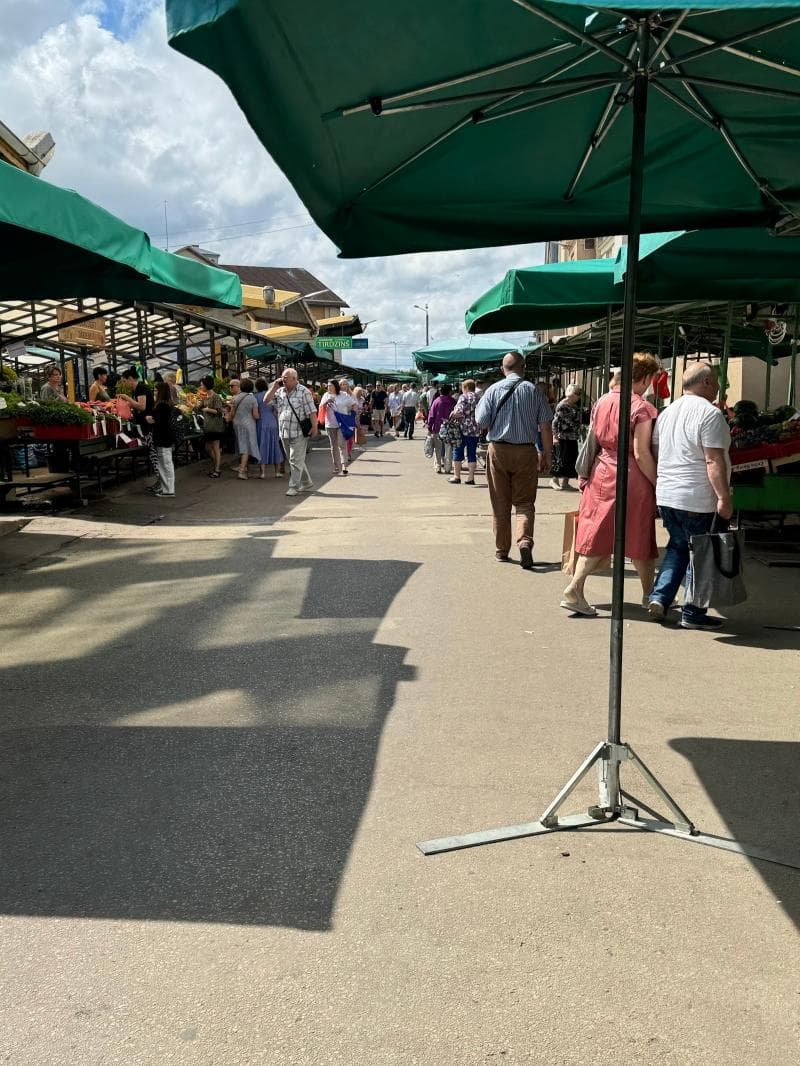
Explore Riga's Fish Pavilion in the UNESCO-listed Riga Central Market, Latvia. Discover unique architecture, Baltic seafood, and rich local culture.
Overview
Nestled within the vibrant heart of Riga, Latvia, the Riga Central Market stands as a testament to both ingenious architecture and enduring local culture. This expansive marketplace, recognized as a UNESCO World Heritage Site since 1998, is not merely a place of commerce but a living museum of history and tradition. Among its five impressive pavilions, each dedicated to a specific food category, lies the captivating Fish Pavilion, locally known as 'Zivju paviljons'. This particular section of the market is a lively hub where the Baltic Sea's bounty takes center stage, offering visitors a deep dive into Latvia's rich culinary landscape, especially for those unfamiliar with the region's unique seafood culture.
History & Cultural Background
The remarkable structures housing the Riga Central Market's pavilions boast an extraordinary past. They are, in fact, former German Zeppelin hangars, originally constructed between 1913 and 1917 for military airships during World War I. After the war, these colossal hangars were acquired by Latvia, meticulously dismantled in Vaiņode, and then painstakingly reassembled in central Riga between 1924 and 1930. This innovative repurposing transformed military infrastructure into a bustling civilian marketplace, an architectural marvel of its time. When the market officially opened in 1930, it was celebrated as one of the largest and most progressive marketplaces globally, equipped with advanced refrigeration units and extensive underground storage facilities. The market's significance was further cemented by its inclusion in the UNESCO World Heritage List in 1997, acknowledging its exceptional architectural and cultural value.
What Makes It Special
What truly distinguishes the Fish Pavilion, and indeed the entire Riga Central Market, is its unique blend of historical grandeur and everyday vitality. The sheer scale of the former Zeppelin hangars is breathtaking; standing inside, one can gaze up at the curved steel vaults, a powerful reminder of their original purpose. The Fish Pavilion itself is arguably the most intriguing for international visitors, presenting a vivid snapshot of Baltic culinary traditions. It is here that you will find an extensive array of fresh and smoked fish, a staple of the local diet. From various preparations of sprat to smoked eel from Latvian rivers, and fresh pike-perch, the pavilion offers a sensory experience unlike any other. It's a place where the past and present converge, allowing travelers to literally walk through history while engaging with contemporary Latvian life.
Stories, Fun Facts & Local Details
Beyond its functional role, the Fish Pavilion holds a special place in the market's lore. In its early days during the 1930s, the Fish Pavilion was particularly known for its large, colorful aquariums, a unique attraction designed to captivate visitors and showcase the fresh catches. The market has adapted through various historical periods; during the Soviet occupation, for instance, it was renamed the Central Kolkhoz Market. Today, the market remains incredibly popular, drawing between 40,000 to 50,000 visitors daily, with numbers sometimes reaching up to 100,000 on weekends. While exploring, some visitors have humorously noted the distinct and pervasive scent of fish that greets you upon entering the pavilion, a testament to its authenticity. There are also ongoing plans for renovation and restoration of the market's historic pavilions, with temporary arrangements for fish traders during the restoration of the Fish Pavilion projected for completion by spring 2027.
Visitor Perspective
For the curious traveler, a visit to the Fish Pavilion offers a rich, immersive experience. It's an opportunity to witness daily life unfold in Riga, surrounded by a cornucopia of fresh and smoked seafood. You can discover local delicacies such as smoked Baltic herring, known as 'sprotes', and various types of smoked bream. To experience the market at its most authentic and to find the freshest selection, arriving in the early morning is often recommended, as this helps avoid larger crowds. When planning your visit, it's a good idea to bring cash, as many vendors, particularly in the outdoor sections and smaller stalls, prefer or only accept cash payments. While the market is a generally safe and welcoming place, like any bustling hub, it's wise to be mindful of your belongings. The Fish Pavilion promises not just a meal, but a memorable journey into the culinary soul of Latvia.
Coordinates: 24.11666, 56.94394
View on Google Maps💬 How Travelers Describe This Place
Based on community votes
Beautiful
953Unique
658Photogenic
585Interesting
69Must See
22
Traveler Stories
Discover memorable experiences shared by travelers who have visited this place.
No traveler stories yet.
Be the first traveler to share what made this place memorable.

Tour
By
Spot
Discover amazing places around the world. Your journey starts here.
Explore
© 2026 TourBySpot. All rights reserved.