Richard Wagner Museum
Lucerne, Switzerland
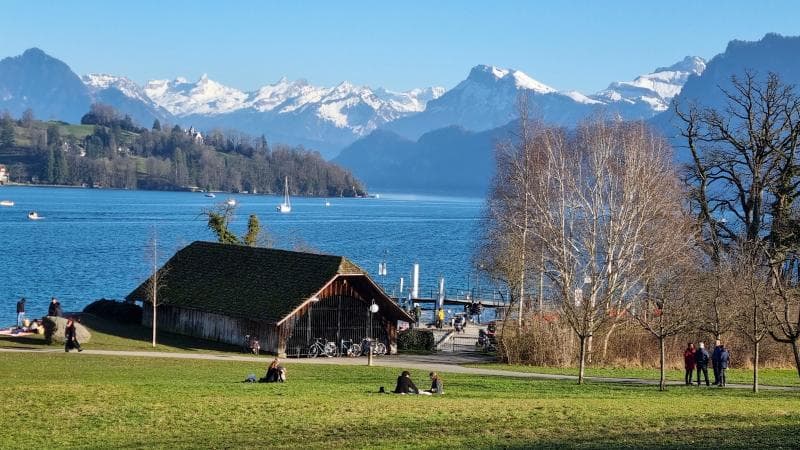
Explore the Richard Wagner Museum in Lucerne, Switzerland, the historic villa where the legendary composer lived and created some of his masterpieces.
Overview
Nestled on the idyllic shores of Lake Lucerne, in the peaceful Tribschen district, lies the Richard Wagner Museum, an immersive cultural site dedicated to one of history's most revolutionary composers. This historic villa, once the cherished home of Richard Wagner himself, offers a unique window into his life, creative process, and personal world during a pivotal six-year period from 1866 to 1872. Far from a dusty archive, the museum brings to life the environment where some of his most monumental works took shape, inviting visitors to connect with the essence of his genius.
The museum's permanent exhibition, housed in five rooms on the ground floor, showcases a rich collection of historical photographs, paintings, original manuscripts, and personal memorabilia, including his beloved 1858 Erard grand piano and a bronze bust by Fritz Schaper. Beyond the indoor exhibits, the exquisite gardens provide a tranquil setting with stunning views of Lake Lucerne and the surrounding mountains, often hosting cultural events and a summer cafe.
History & Cultural Background
The building itself boasts a history predating Wagner's arrival, originating as a cube-shaped manor house in the 15th century and taking its current form around 1623. By the late 18th century, it was acquired and remodeled by the prominent Am Rhyn family of Lucerne. It was here, in April 1866, that Richard Wagner, exiled from Munich, found refuge. His lease was funded by his fervent admirer, King Ludwig II of Bavaria, who, despite governmental pressure, remained a steadfast patron.
Wagner's six years at Tribschen were among his most productive and, by his own account, his happiest. It was during this period that he completed 'Die Meistersinger von Nürnberg', finalized 'Siegfried', and significantly advanced work on 'Götterdämmerung'. His life in Lucerne was also marked by personal milestones. His partner, Cosima von Bülow, daughter of Franz Liszt, joined him, and they had two children before marrying in Lucerne in 1870.
After Wagner's departure for Bayreuth in 1872 to establish his own festival theater, the villa remained largely empty. In 1931, the City of Lucerne acquired the house and its parkland, transforming it into a museum that officially opened its doors in 1933. The site's cultural significance was further cemented in 1938 when the inaugural Lucerne Festival, featuring Wagner's music, was held in the museum's gardens, conducted by Arturo Toscanini.
What Makes It Special
What truly distinguishes the Richard Wagner Museum is its intimate connection to the composer's daily life and creative peak. Unlike many biographical museums, this was Wagner's actual home during a period of intense artistic output and personal fulfillment. Visitors walk through the very rooms where he composed, entertained esteemed guests like Franz Liszt and Friedrich Nietzsche, and experienced profound personal moments.
The centerpiece of the collection, Wagner's Erard grand piano from 1858, isn't merely an artifact; it occasionally resonates with music during special chamber concerts held in the salon, offering a live connection to the past. The museum's dedication to presenting not just his works but the context of their creation, alongside personal effects and correspondence, creates a palpable sense of his presence and genius.
Stories, Fun Facts & Local Details
Perhaps the most charming and enduring story from Wagner's time at Tribschen is the creation and premiere of the 'Siegfried Idyll'. On Christmas morning, December 25, 1870, Wagner orchestrated a surprise for Cosima's birthday. An orchestra secretly gathered and performed the newly composed 'Siegfried Idyll' on the villa's staircase, waking her with its gentle melodies. This intimate serenade, named after their son Siegfried, remains a testament to his profound love for Cosima and the idyllic surroundings that inspired him.
It was also at Tribschen that the grand vision for the Bayreuth Festival, his lifelong dream of building a dedicated opera house, began to solidify. The quietude and natural beauty of Lucerne provided the perfect environment for such ambitious plans to take root. Furthermore, Wagner's initial move to Lucerne was facilitated by King Ludwig II, who, forced to banish the controversial composer from Munich, still clandestinely visited his idol at Tribschen, highlighting the king's deep admiration despite political pressures.
Visitor Perspective
Visiting the Richard Wagner Museum is a deeply enriching experience for anyone interested in classical music, European history, or the life of a creative visionary. The museum is thoughtfully curated, with exhibits labeled in German, French, and English, making the rich historical and cultural narratives accessible to a global audience. The tranquil setting on the lake, away from the bustling city center, encourages contemplation and allows visitors to imagine Wagner's peaceful yet intensely creative existence.
After exploring the five exhibition rooms, visitors can enjoy the panoramic views from the summer cafe located on the museum forecourt, a perfect spot to reflect on Wagner's legacy while gazing across the serene waters of Lake Lucerne. The museum often hosts temporary exhibitions and chamber concerts, offering dynamic reasons for repeat visits. While the second floor once housed a musical instrument collection, it has since been relocated, with the main focus now firmly on Wagner's life and works on the ground floor. The overall atmosphere is one of reverence for artistic genius, blended with the natural beauty that so profoundly influenced one of the world's greatest composers.
Coordinates: 8.328944, 47.042444
View on Google Maps💬 How Travelers Describe This Place
Based on community votes
Photogenic
951Unique
748Beautiful
499Interesting
427Must See
94
Traveler Stories
Discover memorable experiences shared by travelers who have visited this place.
No traveler stories yet.
Be the first traveler to share what made this place memorable.
Things to see at Richard Wagner Museum



Tour
By
Spot
Discover amazing places around the world. Your journey starts here.
Explore
© 2026 TourBySpot. All rights reserved.