Study Room
Lucerne, Switzerland
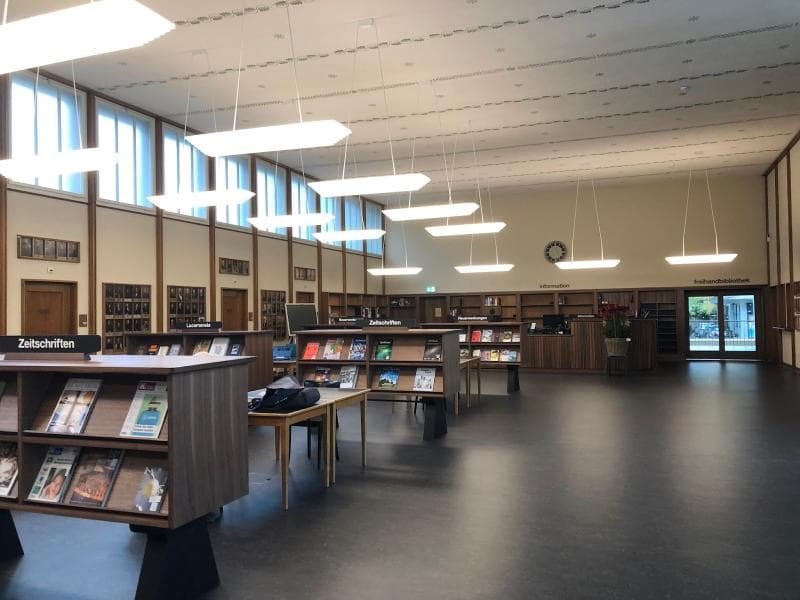
Explore the intimate Study Room at the Richard Wagner Museum in Lucerne, Switzerland. Discover where the legendary composer found inspiration and penned his masterpieces.
Overview
Nestled serenely on the Tribschen peninsula by Lake Lucerne, the Richard Wagner Museum offers a unique glimpse into the life and creative world of the legendary composer. Among its most compelling spaces is the room dedicated to Wagner's study and composition, a profoundly intimate area where Richard Wagner spent some of his most creatively fertile and personally stable years. This sub-spot within the historic villa transports visitors back to the mid-19th century, revealing where some of the greatest operatic masterpieces were conceived. It stands as a testament to a period Wagner himself cherished as his 'Tribschen idyll'.
During his six years in Lucerne, from 1866 to 1872, Wagner transformed this villa into a sanctuary of artistic endeavor. The Study Room, though perhaps not formally titled as such in all museum guides, embodies the very essence of his daily routine and intellectual pursuits. It is here that one can imagine the composer at work, surrounded by his thoughts, musical instruments, and personal library, drafting the scores that would captivate audiences for centuries. The room is designed to evoke the spirit of creation, offering a quiet, reflective experience that resonates deeply with those seeking to understand the man behind the music.
History & Cultural Background
Richard Wagner's arrival in Lucerne in April 1866 marked a significant turning point in his often tumultuous life. Exiled from Munich due to political pressures, he found refuge in the secluded Tribschen villa, leased for him by his patron, King Ludwig II of Bavaria. This period was one of relative peace and profound productivity, largely influenced by his relationship with Cosima von Bülow, who later became his second wife.
It was within the walls of this lakeside manor that Wagner completed some of his most monumental works. He brought to fruition 'Die Meistersinger von Nürnberg' and the third act of 'Siegfried', and began the arduous composition of 'Götterdämmerung'. The villa also witnessed the creation of the deeply personal 'Siegfried Idyll', a birthday gift for Cosima after the birth of their son, Siegfried. The historical context of his time in Tribschen reveals a composer who, despite his controversial public persona, yearned for a quiet domestic life where his genius could flourish undisturbed.
What Makes It Special
The Study Room at the Richard Wagner Museum is particularly special because it serves as the symbolic heart of Wagner's creative endeavors during his time in Lucerne. This is the space where visitors can connect most directly with the composer's intellectual world. The room is typically furnished to reflect Wagner's working environment, featuring personal effects that humanize the larger-than-life figure. A centerpiece is often his writing desk, a place where countless notes and musical phrases were committed to paper.
Crucially, the museum also proudly displays Wagner's beloved Erard grand piano, a magnificent instrument made in 1858. It was on this very piano that he composed many of his works during his Tribschen years, including sections of 'Die Meistersinger von Nürnberg'. The presence of this instrument, along with his personal library and other artifacts, imbues the room with an unparalleled sense of authenticity. It is a space where the echoes of his creative process seem almost palpable, allowing visitors to imagine the melodies and harmonies that once filled the air.
Stories, Fun Facts & Local Details
The Study Room, and the villa it inhabits, is rich with captivating stories. One of the most enchanting tales associated with Tribschen is the secret premiere of the 'Siegfried Idyll'. Composed as a surprise for Cosima's birthday on Christmas morning in 1870, this lyrical piece was first performed by a small ensemble on the villa's staircase, just outside or adjacent to Wagner's working quarters. This intimate performance highlights the profound personal significance of Tribschen to Wagner's family life.
The villa also served as a meeting point for a circle of prominent guests. King Ludwig II of Bavaria made incognito visits, while intellectuals such as Franz Liszt (Wagner's father-in-law) and the young philosopher Friedrich Nietzsche were among those who experienced the Tribschen idyll firsthand. These visits underscore the villa's role as a salon for leading cultural figures of the era. The peaceful lakeside setting, which Wagner described as being 'surrounded by a true wonder world,' provided the inspiration for many of his compositions and a respite from public scrutiny, making it a place of profound significance for his artistic output.
Visitor Perspective
Visiting the Study Room at the Richard Wagner Museum offers a remarkably intimate and contemplative experience. Unlike grand, opulent exhibitions, the museum's preserved rooms, including the study, invite a quiet reflection on Wagner's personal and creative journey. Stepping into this space, one doesn't just see artifacts; one feels a connection to the environment that nurtured a titan of classical music. The modest yet thoughtfully arranged room allows visitors to visualize Wagner at his desk, immersed in composition, with the serene views of Lake Lucerne and the surrounding Alps perhaps inspiring his sweeping musical landscapes.
The museum strives to create an unhurried atmosphere, encouraging guests to absorb the historical context and emotional depth of Wagner's time in Tribschen. The Study Room, with its authentic furnishings and historical instruments, serves as a powerful focal point for this connection. It’s a place where the barrier between the past and present seems to thin, allowing a deeper appreciation for the genius that blossomed here. This quiet introspection, combined with the villa's stunning natural setting, makes a visit to Wagner's Study an enriching experience for any curious traveler interested in music, history, or simply finding a peaceful corner of Switzerland.
Coordinates: 8.328944, 47.042444
View on Google Maps💬 How Travelers Describe This Place
Based on community votes
Must See
995Unique
929Photogenic
858Beautiful
730Interesting
275
Traveler Stories
Discover memorable experiences shared by travelers who have visited this place.
No traveler stories yet.
Be the first traveler to share what made this place memorable.

Tour
By
Spot
Discover amazing places around the world. Your journey starts here.
Explore
© 2026 TourBySpot. All rights reserved.